How to Prune Sandswamp whitetop?
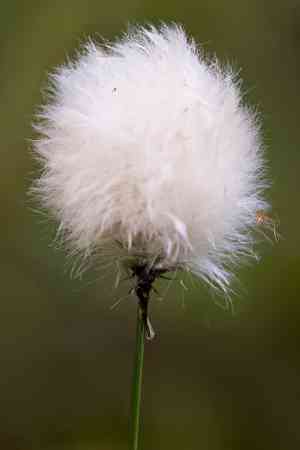
Sandswamp whitetop, a unique marsh plant featuring wide leaves and white floral groupings, needs very little trimming. The best time for this is in early spring or winter while the plant is inactive. Essential methods involve eliminating deceased or injured leaves and reducing dense stems to improve air movement. Consistent trimming fosters robust development and manages expansion, boosting the plant's aesthetic appeal. Always use sanitized, sharp implements to avoid diseases.
What Are the Benefits of Pruning Sandswamp Whitetop?
What Are the Benefits of Pruning Sandswamp Whitetop?
Trimming sandswamp whitetop promotes robust development, maintains its form, and enhances its aesthetic appeal. This practice aids in fostering healthier foliage and can decrease vulnerability to pests and illnesses.
What Is the Best Time for Pruning Sandswamp Whitetop?
What Is the Best Time for Pruning Sandswamp Whitetop?
Trimming sandswamp whitetop in early spring and winter is ideal as these periods generally precede its active growth phase. Pruning at these times allows the plant to recover and direct energy towards new growth once the season begins. Early spring pruning ensures removal of winter damage, encouraging healthier, stronger growth. Winter pruning minimizes plant stress during dormancy, reducing disease and pest risk.
What Tools Do I Need to Prune Sandswamp Whitetop?
Hand Pruners
Hand pruners are perfect for making precise cuts on sandswamp whitetop's delicate stems and leaves. They are compact, easy to use, and excellent for targeted trimming to remove dead or damaged parts without harming the plant.
Bypass Pruners
Bypass pruners are crucial for cutting through slightly thicker stems of sandswamp whitetop. Their scissor-like action ensures clean cuts that encourage quicker healing and lessen the chance of plant disease.
Pruning Shears
Pruning shears can be utilized for more extensive trimming and shaping of sandswamp whitetop. These shears are effective for making longer, controlled cuts, which are necessary for maintaining the plant's structure and encouraging healthy development.
Precision Scissors
Precision scissors are vital for delicate, detailed tasks on sandswamp whitetop, especially for snipping smaller leaves and stems without harming adjacent areas.
Gloves
While not a cutting tool, gloves are essential for protecting your hands when handling and trimming sandswamp whitetop, ensuring you can work safely and comfortably.
How to Prune Sandswamp Whitetop
Assess
Inspect sandswamp whitetop to identify any diseased or withered leaves that require removal for overall plant vitality.
Tools
Gather clean, sharp pruning shears or scissors. Sanitize them by wiping with rubbing alcohol to prevent disease transmission.
Cut Diseased
Carefully snip off any diseased leaves at their base, ensuring the entire affected portion is removed to stop further infection.
Cut Withered
Remove withered leaves by cutting them back to the point where they meet healthy growth, encouraging new, vibrant foliage.
Dispose
Discard all removed plant material far from the garden area to prevent any disease from spreading back to sandswamp whitetop.
Common Pruning Mistakes with Sandswamp Whitetop
Improper Technique
Using dull or dirty tools can harm sandswamp whitetop, leading to infection and illness. Always use sharp and sterilized pruning implements.
Over-pruning
Removing too much foliage can stress sandswamp whitetop, hindering its growth and vigor. It's important to prune sparingly, especially if you are inexperienced.
Inconsistent Pruning
Pruning at irregular intervals or neglecting to trim certain areas can result in an uneven plant structure and impede healthy development.
Ignoring Plant Health
Failing to inspect sandswamp whitetop for signs of disease or pests before pruning can worsen health issues and contribute to spreading infections.
Common Pruning Tips for Sandswamp Whitetop
Use Sharp Tools
Ensure your pruning shears or scissors are sharpened and sterilized to make clean cuts and minimize damage to sandswamp whitetop.
Prune Conservatively
Focus on removing dead, dying, or damaged stems rather than excessive healthy growth. This helps maintain the plant's vitality.
Maintain Even Shape
Aim for an even and balanced shape when pruning, promoting symmetrical growth and preventing overgrowth on one side.
Inspect for Health Issues
Regularly check sandswamp whitetop for signs of disease or pests, and address any issues promptly before pruning to prevent spreading problems.



