
Sandswamp whitetop (Rhynchospora latifolia)
Also known as: Sandswamp whitetop sedge
The plant you're referring to is likely the Arrowhead (Sagittaria latifolia). It thrives in wet, disturbed environments and is a common choice for adding visual interest to ponds and rain gardens. Blooming all summer, this plant features multiple white flowers that stand out among other aquatic vegetation.
In This Article
Attributes of Sandswamp whitetop
Lifespan
Perennial
Plant Type
Grass
Plant Height
30 cm to 91 cm
Spread
60 cm to 90 cm
Leaf Color
Green
Flower Size
Small, less than 1 cm
Flower Color
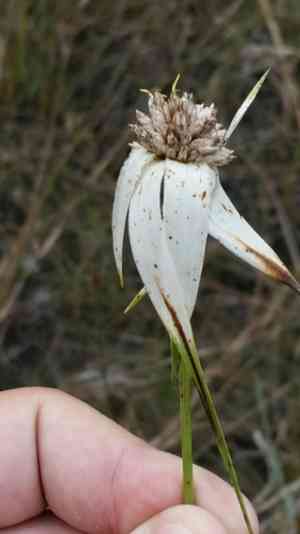
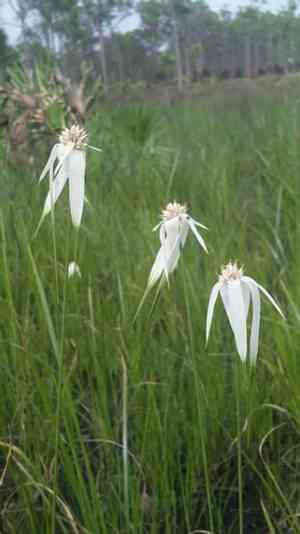
White (actually, the bracts are white; the true flowers are less conspicuous)
Images of Sandswamp whitetop

Quickly Identify Sandswamp whitetop
1
Star-shaped white blooms with radiating pattern
2
Large bracts with white-green color transition
3
Distinctive two-sided brown nutlet
4
Narrow, grass-like leaves with parallel venation
5
Cylindrical stem with subtle longitudinal ridges
Scientific Classification of Sandswamp whitetop
Phylum
Vascular plants
Class
Monocotyledons
Order
Poales
Family
Sedge
Genus
Beak-rushes
Species
Sandswamp whitetop
Planting and Growing of Sandswamp whitetop
Care Difficulty
Moderate
Watering Schedule
Every 2 days
Sunlight Requirements
Full sun
Sunshine Duration
4-6 hours
Ideal Temperature
65-77℉
Soil Type
Potting Mix, Peat Mix
Soil pH
6.5-7.5
Fertilizer Type
Balanced
Pruning Season
Spring, Summer
Pruning Area
Branches, Leaves
Pruning Frequency
2 times a year
Repotting Season
Spring
Pot Type
Plastic, Ceramic
 How to Water Sandswamp whitetop?
Rhynchospora latifolia requires a moderate amount of water. The key is to ensure the soil is evenly moist but not waterlogged. Water until the soil is damp to the touch about an inch below the surface; this typically translates to approximately 500 milliliters of water per session.
What are the symptoms of an underwatered Sandswamp whitetop?
›
What should I do if my Sandswamp whitetop is not getting enough water?
›
What are the symptoms of an overwatered Sandswamp whitetop?
›
How to save an overwatered Sandswamp whitetop?
›
 What Are the Sunlight Requirements for Sandswamp whitetop?
Rhynchospora latifolia prefers environments with full to partial sunlight throughout the day, ensuring that the plant receives the necessary light for optimum photosynthesis. This, in turn, supports robust growth and vibrant foliage.
How does Rhynchospora latifolia thrive under ideal light?
›
Is it possible to supplement natural light with artificial sources?
›
What happens when Rhynchospora latifolia receives the right amount of light?
›
 What Is the Ideal Temperature Range for Sandswamp whitetop?
The ideal temperature range for the cultivation of Rhynchospora latifolia is between 65°F and 77°F. This range facilitates optimal metabolic functions and growth rates, ensuring healthy leaf development and root establishment. Maintaining this temperature range can also help avoid stress, which might otherwise impede the plant's overall health and vigor.
 What Soil is Best for Sandswamp whitetop?
Rhynchospora latifolia thrives in soils with excellent drainage capabilities. This prevents waterlogging, which could lead to root rot, thereby ensuring the plant's root system remains healthy and vibrant. The plant prefers nutrient-rich soils, which support its robust growth. A rich soil profile provides essential nutrients needed for optimal growth and development, resulting in lush, healthy foliage. Rhynchospora latifolia grows best in slightly acidic to neutral pH levels, from 6.5 to 7.5. This pH range facilitates nutrient availability and uptake, promoting vigorous plant health.
 How to Fertilize Sandswamp whitetop?
For Rhynchospora latifolia, apply liquid fertilizer at the rate of 1 tablespoon per gallon of water. For solid, slow-release fertilizers, use approximately half a cup per plant. This ensures a balanced nutrition intake without overwhelming the plant.
 How to Prune Sandswamp whitetop?
Before you start pruning Rhynchospora latifolia, ensure you have sharp, clean pruning shears or scissors. This will make clean cuts, reducing the risk of disease and ensuring the plant heals quickly. Carefully inspect the plant for any brown, dead, or wilting leaves. Gently snip these at the base, close to the healthy stem. This encourages new growth and prevents the spread of disease. Identify areas where foliage is overly dense. Thin out these sections by cutting some stems back to encourage light and air circulation, which fosters healthier growth. Trim along the edges of the foliage to create a pleasing, uniform shape. This not only enhances aesthetic appeal but also ensures that the plant maintains its structure as it grows.
More About Pruning Techniques→
 How to Propagate Sandswamp whitetop plant?
1
Harvest seeds from mature plants when they are dry and have turned brown. Clean them gently to remove any debris. Store them in a cool, dry place until you're ready to plant in early spring or summer.
2
Fill seed trays with a suitable, well-draining potting mix. Sow the seeds evenly on the surface and cover them lightly with soil. Ensure they are kept moist and receive plenty of light to promote germination.
3
In early spring or early summer, carefully dig up the plant clump. Use your fingers to gently tease apart the roots into smaller sections. Replant the divisions immediately into prepared soil, and water thoroughly.
 How to Repot Sandswamp whitetop plant?
1
You should consider repotting Rhynchospora latifolia when you notice the roots starting to circle the pot's interior or poking out of the drainage holes. Additionally, if the growth appears stunted or if the soil has compacted significantly, it's time for a change to give the plant more room to grow and additional nutrients.
2
Choose a pot that is slightly larger than the current one, approximately 1-2 inches bigger in diameter. It should have ample drainage holes to prevent waterlogging, as this plant thrives in moist but not waterlogged conditions. A well-sized pot ensures that the roots have room to spread and helps prevent root rot by allowing excess water to escape.
3
Use a soil mix that is rich in organic matter and slightly acidic, as this will provide the nutrients Rhynchospora latifolia needs while maintaining the moisture levels it prefers. A lightweight, well-draining soil mix will also help prevent compaction and promote healthy root growth, mimicking its natural boggy habitat.
Learn More About Sandswamp whitetop Diseases
Anthracnose
Bacterial Leaf Spot
Bacterial Soft Rot
Bacterial Wilt
Damping-off
Downy Mildew
Drought Stress
Fusarium Wilt
Gray Mold
Leaf Spot
Mosaic
Nutrient Deficiency
Nutrient Toxicity
Powdery Mildew
Root Rot
Root-knot Nematode
Rusts
Sooty Mold
Spider Mites
Temperature Stress
Thrips Damage
White Mold



