How to Prune Japanese azalea?
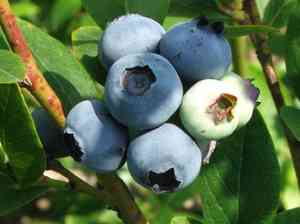
This vivid flowering plant exhibits brilliant blossoms in springtime. For japanese azalea, trimming ought to occur in early spring or late winter to stimulate vigorous development and boost flowering. Nip off nascent shoots to promote a denser form and eliminate any lifeless or ailing branches. Reducing the density of older stalks enhances light penetration and air movement. Refrain from severe cutting to avert the forfeiture of the subsequent season's buds. Pruning aids japanese azalea by preserving its form, vitality, and abundant floral output.
Advantages of Trimming Japanese Azalea
Advantages of Trimming Japanese Azalea
Trimming japanese azalea promotes robust development and maintains a tidy form, enhancing air circulation and light exposure, which can lead to improved vitality and bloom quality.
Optimal Time for Trimming Japanese Azalea
Optimal Time for Trimming Japanese Azalea
Trimming japanese azalea in late winter or early spring is best as this period coincides with the plant's dormant phase. During this time, japanese azalea's growth is suspended, minimizing stress and reducing the chance of sap loss or disease. It also allows for a clear view of the plant's structure without leaves, simplifying branch selection. Pruning before new growth begins ensures the plant's energy is directed towards healthy bud development, leading to a more vibrant blooming season. Additionally, removing any frost-damaged or diseased wood at this point helps maintain the overall health and look of japanese azalea.
Tools Required for Trimming Japanese Azalea
Bypass Pruners
Perfect for making clean cuts on young wood and precise snips on smaller branches of japanese azalea, ensuring minimal harm to plant tissues.
Pruning Saws
Essential for cutting through thicker, older branches of japanese azalea that bypass pruners cannot manage, allowing for efficient removal without tearing the bark.
Loppers
Offer extra leverage and extended reach for trimming branches of japanese azalea that are too thick for pruners but don't need a saw, promoting ease of use and accuracy.
Garden Shears
Useful for shaping and thinning the foliage of japanese azalea, helping maintain a dense and attractive growth habit.
Gloves
Protect hands from thorns and rough plant material during the trimming process of japanese azalea, ensuring safety and comfort.
How to Trim Japanese Azalea
Clean Cut
Sanitize trimming tools with rubbing alcohol or a 10% bleach solution to prevent disease spread before cutting japanese azalea.
Remove Diseased
Carefully cut away all diseased leaves and branches from japanese azalea, ensuring cuts are made close to the base of the leaf or branch junction without harming healthy tissue.
Trim Withered
Prune withered leaves to maintain the health and appearance of japanese azalea, making angled cuts to promote water shedding and prevent decay.
Cut Dead Branches
Remove dead branches by cutting at their origin point from the main stem or from healthy wood, ensuring smooth cuts that japanese azalea can effectively heal over.
Shape Plant
Shape japanese azalea by selectively thinning out overgrown areas, removing no more than one-third of the branches to enhance light penetration and airflow within the foliage.
Common Trimming Errors with Japanese Azalea
Over-Pruning
Removing too much growth can stress japanese azalea, leading to poor health and fewer blooms. Aim to prune no more than one-third of the overall growth.
Cutting Into Old Wood
Japanese azalea blooms on old wood, so cutting too far back can remove the flower buds and negatively impact blooming.
Uneven Shaping
Neglecting to prune evenly can result in a lopsided or misshapen plant. Always step back and check the plant from various angles.
Pruning Too Frequently
Frequent pruning may inhibit the natural growth cycle of japanese azalea. It is crucial to prune only when necessary.
Using Blunt Tools
Dull pruning shears can cause damage to the branches, leading to disease or poor growth. Always use sharp, clean tools.
General Trimming Advice for Japanese Azalea
Selective Pruning
Gently thin out dense areas to improve air circulation and sunlight penetration, which can enhance the health and flowering of japanese azalea.
Shaping
Shape japanese azalea immediately after flowering to maintain size and form, ensuring to not cut off next yearâs buds found at the base of spent flowers.
Deadheading
Remove spent flowers to prevent the plant from expending energy on seed production, encouraging reblooming and a tidy appearance.
Removal Of Dead Or Diseased Wood
Regularly check and carefully cut away any dead, diseased, or damaged branches to maintain plant health and aesthetics.
Mulching After Pruning
After pruning, apply a layer of mulch around japanese azalea, keeping it away from the trunk, to help conserve soil moisture and protect the roots.



