
Japanese azalea (Rhododendron japonicum)
Also known as: Torch Azalea, Japanese Azalea
The Japanese Andromeda (Pieris japonica) is a beautiful shrub native to Japan, celebrated for its fragrant blooms that range from white to pink. Though its foliage is bold and its flowers are vibrant, caution is advised as the plant contains toxic compounds. Despite this, its stunning appearance makes it a favorite in gardens and landscapes.
In This Article
Attributes of Japanese azalea
Lifespan
Perennial
Plant Type
Shrub
Plant Height
2.5 m
Spread
2 m
Leaf Color
Green Blue
Flower Size
5 - 7 cm
Flower Color
Pink Red Yellow Orange
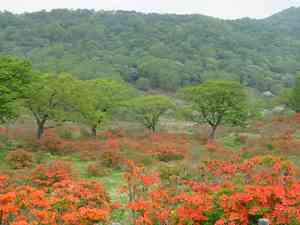
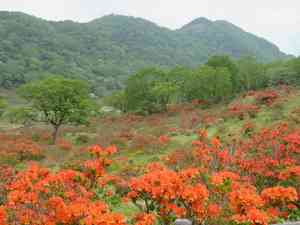
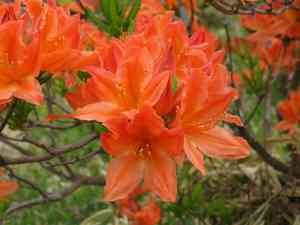
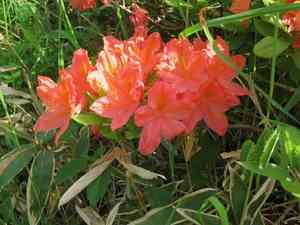
Images of Japanese azalea
Quickly Identify Japanese azalea
1
To identify Rhododendron japonicum, look for its vibrant orange to red trumpet-shaped flowers, deciduous leaves that turn yellow or red in autumn, and shrubby habit growing up to 2 meters tall.
Scientific Classification of Japanese azalea
Phylum
Vascular plants
Class
Dicotyledons
Order
Ericales
Family
Heath
Genus
Azaleas
Species
Japanese azalea
Planting and Growing of Japanese azalea
Care Difficulty
Easy
Watering Schedule
Every 4 days
Sunlight Requirements
Partial sun
Sunshine Duration
6-10 hours
Ideal Temperature
59-77℉
Soil Type
Potting Mix, Peat Mix
Soil pH
4.5-6
Fertilizer Type
Balanced
Pruning Season
Spring, Summer
Pruning Area
Branches, Leaves
Pruning Frequency
2 times a year
Repotting Season
Spring
Pot Type
Plastic, Ceramic
 How to Water Japanese azalea?
When watering Rhododendron japonicum, ensure that the soil is thoroughly moistened. Aim for about 500 milliliters per session, enough to saturate the root zone. Water until you see a small amount draining out of the bottom of the pot, indicating that the entire root ball has been sufficiently hydrated.
What are the symptoms of an underwatered Japanese azalea?
›
What should I do if my Japanese azalea is not getting enough water?
›
What are the symptoms of an overwatered Japanese azalea?
›
How to save an overwatered Japanese azalea?
›
 What Are the Sunlight Requirements for Japanese azalea?
Partial sun is ideal, meaning morning sunlight followed by afternoon shade. Rhododendron japonicum thrives and blooms optimally under these conditions, benefiting from both energy and protection.
More About Sunlight Requirements Techniques→
How much light does Rhododendron japonicum prefer?
›
What solutions exist for achieving ideal light conditions?
›
What are the benefits of providing ideal lighting for Rhododendron japonicum?
›
 What Is the Ideal Temperature Range for Japanese azalea?
Rhododendron japonicum thrives best at temperatures between 59°F and 77°F. Within this range, the plant can efficiently photosynthesize and grow, ensuring optimal bloom quality and color vibrancy. Consistently maintaining temperatures within this range is crucial for vibrant foliage and healthy flowers.
 What Soil is Best for Japanese azalea?
Rhododendron japonicum thrives in soil that retains moisture but drains excess water efficiently. This prevents root rot and ensures the roots have constant access to adequate water, which is crucial for the plant's vibrant blooms. The plant benefits from a soil rich in organic matter, which provides essential nutrients and supports beneficial soil microorganisms. This leads to healthier growth and more resilient plants. An acidic soil environment is essential for the availability of iron, a crucial nutrient for Rhododendron japonicum. This reduces the risks of chlorosis and promotes optimal leaf color and overall vigor.
 How to Fertilize Japanese azalea?
Rhododendron japonicum benefits from moderate fertilization. Apply liquid fertilizers at half the recommended rate to avoid root burn and nutrient toxicity. For slow-release fertilizers, use approximately 2-3 pounds per 100 square feet of garden space.
 How to Prune Japanese azalea?
Prune Rhododendron japonicum right after its flowering season in late spring or early summer to encourage new growth. Focus on removing dead blooms and branches to enhance air circulation and sunlight penetration. While it's important to shape the plant, avoid removing more than one-third of the shrub in one pruning session. Over-pruning can stress the plant and reduce its blooming potential.
More About Pruning Techniques→
 How to Propagate Japanese azalea plant?
1
Rhododendron seeds need to be collected once the seed pods have matured and dried. It's critical to ensure seeds are dry and not infected by any fungal disease before storage for propagation.
2
Select healthy stems without blooms. Cut them into 6-inch pieces, and remove the leaves from the bottom half. Dip the cut ends in rooting hormone before potting them.
3
Bend a low-growing branch to the ground and cover it with soil, leaving the tip exposed. Use a stake or wire to secure it in place. This process will allow roots to develop from the buried section.
 How to Repot Japanese azalea plant?
1
Rhododendron japonicum should be repotted when you notice that its growth is stunted, or its roots are emerging from the drainage holes. These signs indicate that the plant has outgrown its current pot and requires more space to thrive.
2
Opt for a pot that is 1 to 2 inches larger in diameter than the current one. Ensure it has good drainage holes to prevent waterlogging, which rhododendrons are especially sensitive to. This helps improve air circulation and promotes healthy root development.
3
Choose a soil mix that is acidic and well-draining, consisting of components like peat moss, pine bark, and perlite. This type of soil will provide the necessary nutrients and conditions for proper growth and prevent root rot.
Toxicity
Ingestion
WARNING
The judgment on toxicity and danger is for reference only. We DO NOT GUARANTEE any accuracy of such judgment. Therefore, you SHALL NOT rely on such judgment. It is IMPORTANT TO SEEK PROFESSIONAL ADVICE in advance when necessary.



