How to Prune Orange azalea?
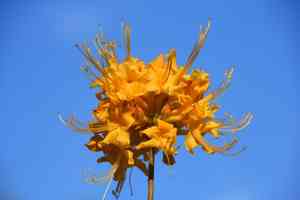
A lively, leaf-shedding shrub recognized for its impressive flowers, orange azalea thrives with consistent trimming. The ideal period for pruning is in late winter or early spring, prior to the emergence of new shoots. Concentrate on eliminating deceased or injured branches and reducing dense sections to enhance air movement. Refrain from severe pruning, as this could negatively affect its blossoming. Appropriate pruning boosts the plant's well-being and fosters a more abundant floral exhibition.
Advantages of Trimming Orange Azalea
Advantages of Trimming Orange Azalea
Trimming orange azalea encourages robust development, maintains its form, boosts blooming, enhances overall look, and aids in pest and disease resistance. Regular trimming fosters stronger branches and improved air circulation, leading to an attractive and sturdy plant.
Optimal Period for Pruning Orange Azalea
Optimal Period for Pruning Orange Azalea
Pruning orange azalea from late winter to early spring is ideal as this timeframe coincides with the plant's dormant stage, minimizing stress and facilitating easier shaping. Trimming before the growth cycle begins ensures the plant's energy is directed towards new growth and flowering, optimizing its vitality and floral display. Furthermore, pruning during these seasons reduces the likelihood of disease and pest infestation, promoting vigorous growth for the subsequent season.
Required Tools for Pruning Orange Azalea
Bypass Pruners
Perfect for making clean cuts on living stems and branches up to 3/4 inch in diameter, preventing harm to live tissue and encouraging healthy regrowth.
Lopping Shears
Useful for cutting thicker branches between 1 to 1.5 inches in diameter, providing leverage for precise cuts without stressing the plant.
Hand Saw
Crucial for removing larger, older branches exceeding 1.5 inches in diameter, ensuring clean cuts that lessen the risk of disease.
Pole Pruner
Enables safe trimming of higher branches without requiring ladders, minimizing potential harm to both the plant and the gardener.
Hedge Shears
Effective for shaping and maintaining a neat appearance, particularly valuable for managing overall density and form.
Method for Pruning Orange Azalea
Inspect
Examine orange azalea for any indications of diseased or withered foliage. Look for discoloration, spots, or a wilted appearance.
Tools
Ensure you possess clean, sharp pruning shears to execute precise and healthy cuts.
Target
Begin by addressing the diseased leaves first. Cut them off at the base of the leaf stem, taking care not to harm the healthy sections of the plant.
Trim
Next, remove the withered leaves. Trim them back to a point where the tissue appears healthy, ensuring the cut is clean to prevent plant stress.
Dispose
Properly discard all removed leaves to prevent the spread of disease. Do not compost diseased plant material.
Common Pruning Errors with Orange Azalea
Timing
Pruning too late in the season can result in the removal of next year's flower buds, which develop on the previous year's growth.
Technique
Utilizing dull or unclean pruning tools can lead to jagged cuts and introduce diseases.
Over-pruning
Excessive pruning can stress the plant, diminish flowering potential, and result in poor growth.
Pruning young plants
Pruning young plants too aggressively can hinder their development and shape.
General Pruning Advice for Orange Azalea
Clean tools
Always use sharp, clean pruning tools to make precise cuts and reduce the risk of disease.
Light pruning
Focus on light pruning to remove dead, damaged, or diseased branches, ensuring the plant retains its natural shape.
Selective cutting
Make selective cuts just above a leaf node or bud to encourage healthy new growth in the desired direction.
Minimal cuts
Limit pruning to only what is necessary, ensuring enough foliage remains for photosynthesis and overall plant health.


