How to Prune Rose rhodobryum moss?
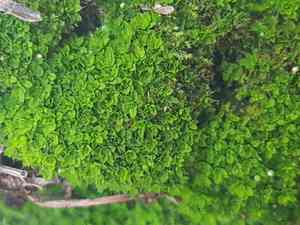
Rose rhodobryum moss is a dense moss distinguished by its ornamental, foliar clusters. To preserve its vitality and aesthetic, remove withered or compromised sections in late winter or early spring, coinciding with its developmental phase. Employ small, sharp shears to prevent harm to fragile tissues. Consistent trimming improves air movement, fostering robust development and averting ailments. This method also stimulates thicker, luxuriant foliage, perfect for decorative arrangements. Always confirm that instruments are disinfected to preclude fungal contamination.
What Are the Benefits of Pruning Rose Rhodobryum Moss?
What Are the Benefits of Pruning Rose Rhodobryum Moss?
Pruning rose rhodobryum moss encourages robust and healthy development, maintains an appealing form, prevents excessive density, and enhances air movement, thereby lowering the risk of pests and illnesses. Regular trimming keeps rose rhodobryum moss lush and well-kept.
What Is the Best Time for Pruning Rose Rhodobryum Moss?
What Is the Best Time for Pruning Rose Rhodobryum Moss?
Trimming or pruning rose rhodobryum moss is best done in early spring or late winter, as this period coincides with the plant's inactive phase. During dormancy, rose rhodobryum moss conserves energy, minimizing the chance of stress or harm. Pruning before new growth begins ensures rapid healing of cuts, fostering healthy regrowth. Additionally, this timing avoids disrupting the plant's flowering or spore production, which typically occurs later in the growing season.
What Tools Do I Need to Prune Rose Rhodobryum Moss?
Small Pruning Shears
Perfect for precise trimming and less likely to harm the delicate structure of rose rhodobryum moss.
Scissors or Fine Tip Pruners
Excellent for very detailed shaping of rose rhodobryum moss's tiny leaves and stems; they offer control and accuracy.
Tweezers
Useful for carefully removing dead or damaged sections without harming the surrounding growth of rose rhodobryum moss.
Cleaning Spray or Isopropyl Alcohol
Crucial for sanitizing tools before and after use to prevent the spread of disease.
How to Prune Rose Rhodobryum Moss
Assess
Examine the moss closely to identify any diseased or shriveled leaves. Note their location and extent to determine the areas requiring pruning.
Sanitize
Use sterilized scissors or small garden shears. Disinfect the tools with an alcohol solution or bleach mixture to prevent disease transmission.
Remove Diseased Leaves
Carefully cut off diseased leaves at their base where they connect to the main body of the moss. Ensure precise cuts to avoid damaging healthy parts.
Remove Withered Leaves
Trim away shriveled leaves in a similar manner, cutting close to the base. This will help rose rhodobryum moss conserve energy and encourage new growth.
Dispose
Properly discard all pruned material. Do not leave trimmed leaves near rose rhodobryum moss as this can promote disease. Dispose of them by burning or sealing them in a bag and discarding them.
Common Pruning Mistakes with Rose Rhodobryum Moss
Improper Technique
A common error is using dull or unclean tools. Such tools can injure the plant and introduce pathogens.
Over-pruning
Removing too much foliage at once can stress rose rhodobryum moss and impede its development. It's important to prune sparingly to avoid over-stressing the plant.
Incorrect Timing
Pruning at the wrong stage of the plant's growth cycle can negatively affect its health and vigor. Timing should align with optimal growth periods.
Neglecting to Prune
Failing to prune entirely can result in dense, unhealthy growth that obstructs light penetration and hinders air circulation.
Common Pruning Tips for Rose Rhodobryum Moss
Use Sharp, Clean Tools
Always use sharp and sanitized tools to make clean cuts, which helps prevent disease spread and reduces damage.
Make Conservative Cuts
Prune sparingly by only removing dead, damaged, or diseased foliage. This ensures the plant maintains its vigor and continues to thrive.
Enhance Air Circulation
Prune to thin out crowded areas of the plant. Improved air circulation helps reduce the risk of fungal infections and promotes overall plant health.
Observe the Plant Regularly
Frequent inspection of rose rhodobryum moss will allow you to identify and remove problematic areas promptly, maintaining its aesthetic appeal and health.


