
Rose rhodobryum moss (Rhodobryum roseum)
Also known as: Rose Moss
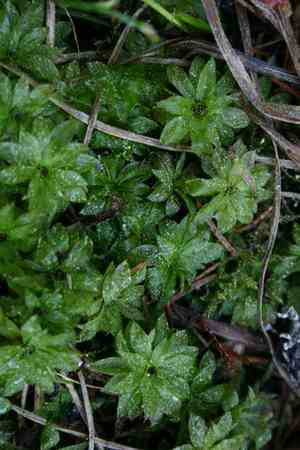
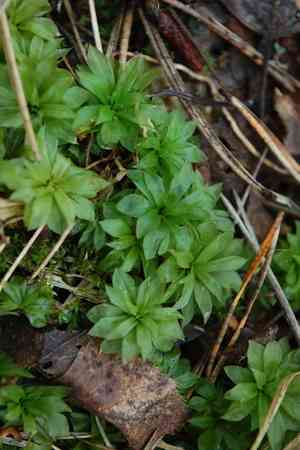
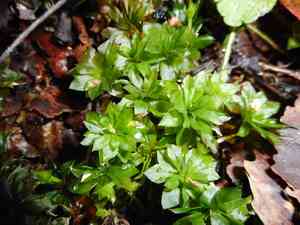
Rose rhodobryum moss, or Rhodobryum roseum, features vibrant, rose-like rosettes that typically emerge in moist, shaded woodland settings. This moss exhibits broad, rounded leaves arranged in a circular pattern, creating its unique flower-like appearance. It thrives under forest canopies where humidity is high and light is diffused. Adapted to retain moisture efficiently, this moss is well-suited to its damp habitat, often enhancing the diversity of the forest floor with its striking green patches.
In This Article
Attributes of Rose rhodobryum moss
Lifespan
Perennial
Plant Height
1-3 cm (0.4-1.2 inches)
Spread
Not applicable, forms dense mats
Leaf Color
Green with potential reddish edges
Flower Size
Non-flowering (mosses do not produce flowers)
Flower Color
Non-flowering
Images of Rose rhodobryum moss

Quickly Identify Rose rhodobryum moss
1
To identify Rhodobryum roseum, look for its rosette arrangement of leaves that resemble a small flower. The leaves are radial, and the stems usually have a reddish hue. The overall appearance is compact and cushion-like.
Scientific Classification of Rose rhodobryum moss
Phylum
Bryophyta
Class
Bryopsida
Order
Bryales
Family
Bryaceae
Genus
Rhodobryum
Planting and Growing of Rose rhodobryum moss
Care Difficulty
Easy
Watering Schedule
Every 3 days
Sunlight Requirements
Partial sun
Sunshine Duration
6-8 hours
Ideal Temperature
60-75℉
Soil Type
Potting Mix, Peat Mix
Soil pH
6.5-7.5
Fertilizer Type
Balanced
Pruning Season
Spring, Summer
Pruning Area
Branches, Leaves
Pruning Frequency
2 times a year
Repotting Season
Spring
Pot Type
Plastic, Ceramic
 How to Water Rose rhodobryum moss?
When watering Rhodobryum roseum, aim for a moderate quantity of about 200ml per session. Ensure the soil is moist but not soggy. The plant prefers consistent moisture, replicating its natural damp environment, but excessive water can lead to root issues.
What are the symptoms of an underwatered Rose rhodobryum moss?
›
What should I do if my Rose rhodobryum moss is not getting enough water?
›
What are the symptoms of an overwatered Rose rhodobryum moss?
›
How to save an overwatered Rose rhodobryum moss?
›
 What Are the Sunlight Requirements for Rose rhodobryum moss?
Partial sun allows Rhodobryum roseum to flourish with morning sun and afternoon shade, which are perfect for its growth. Ideal lighting fosters robust development, vibrant color, and healthy foliage.
Finding the Ideal Spot
›
Using Sheer Curtains
›
Locating in Shaded Gardens
›
 What Is the Ideal Temperature Range for Rose rhodobryum moss?
The ideal temperature range for Rhodobryum roseum to thrive is between 60°F and 75°F. This temperature range ensures that the plant's physiological processes such as photosynthesis and nutrient absorption occur efficiently. Maintaining these temperatures regularly will promote healthy growth and vibrant foliage.
 What Soil is Best for Rose rhodobryum moss?
The soil for Rhodobryum roseum should be able to retain moisture effectively. This helps the plant to thrive by ensuring consistent hydration without the risk of waterlogging, creating an ideal balance for growth. Nutrient-rich soil is crucial for Rhodobryum roseum as it supports lush growth and vibrant green foliage. A soil mix that contains organic matter like compost can provide the necessary nutrients. The soil should offer good drainage to prevent root rot. A well-drained soil facilitates the movement of air and water around the roots, promoting healthy growth and preventing excess moisture buildup.
 How to Fertilize Rose rhodobryum moss?
Rhodobryum roseum typically requires a balanced approach to fertilizing. For liquid fertilizers, a diluted solution at one-quarter of the recommended strength is adequate. Solid fertilizers, when applied, should follow the manufacturer's instructions but generally stay on the lower end of the dosage to avoid root burn. Apply approximately one tablespoon per square foot of soil surface.
 How to Prune Rose rhodobryum moss?
Begin by locating any brown, dead, or damaged areas. Carefully remove these with precise cuts to prevent diseases from spreading, ensuring the plant remains healthy. Cut back long stems to maintain a compact shape. Focus on removing dead leaves and any stems that appear to be overly extended beyond the plant's natural shape. This helps the moss maintain its aesthetic appeal. After initial pruning, regularly inspect your Rhodobryum roseum for new growth that may need trimming. Frequent checks allow you to keep up with the plant's growth and prevent sudden excessive trimming sessions.
More About Pruning Techniques→
 How to Propagate Rose rhodobryum moss plant?
1
Choose healthy stems from the parent plant for cuttings, preferably those that are disease-free and have strong growth. This will increase the likelihood of successful propagation.
2
Trim the selected cuttings to a length of 4-6 inches, making sure to remove any excess leaves from the lower half to prevent rot when planted in the growing medium.
3
Dip the cut end of the stem in rooting hormone before placing it into a pot filled with a well-draining propagation mix. Firm the soil around the cutting to ensure good soil contact.
 How to Repot Rose rhodobryum moss plant?
1
Repot Rhodobryum roseum when you see roots emerging through the drainage holes or if the plant looks too crowded. Spring is an optimal time as the plant is actively growing, allowing it to recover and settle into its new environment swiftly. Additionally, repotting in autumn after summer growth has slowed can also be beneficial, giving the plant time to acclimate before winter dormancy.
2
Choose a pot that's about 1-2 inches larger in diameter than the current one. Ensure the pot has adequate drainage holes to prevent waterlogging, which Rhodobryum roseum dislikes, as it can lead to root rot. Opting for a clay pot is advantageous as it allows moisture to evaporate, keeping the roots healthy and well-aerated.
3
Select a soil mix that mimics its natural, well-draining environment. A blend of peat moss, perlite, and sand works effectively, providing the necessary drainage and ensuring that the roots do not remain waterlogged. This type of soil mix allows for a balance of moisture retention and air circulation, promoting healthy growth.


