How to Prune Ontario rhodobryum moss?
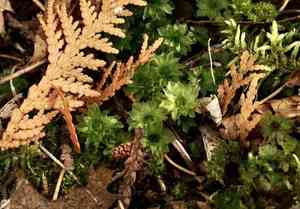
Ontario rhodobryum moss is a type of moss recognized for its vibrant, verdant appearance. Trim ontario rhodobryum moss during late winter or early spring, coinciding with its inactive phase. Employ sharp, disinfected implements to remove impaired or lifeless sections, fostering more vigorous development. Consistent trimming aids in enhancing air movement and lowering the likelihood of illness. Exercise caution to prevent harming its fragile composition. These trimming methods guarantee sturdy and appealing moss proliferation.
What Are the Benefits of Pruning Ontario Rhodobryum Moss?
What Are the Benefits of Pruning Ontario Rhodobryum Moss?
Ontario rhodobryum moss thrives with trimming, leading to more robust growth and a desired form. This helps manage its spread and enhances its lush appearance. Trimming also improves light exposure, boosting overall health and lowering pest and disease risks.
What Is the Best Time for Pruning Ontario Rhodobryum Moss?
What Is the Best Time for Pruning Ontario Rhodobryum Moss?
Trimming or cutting ontario rhodobryum moss during early spring and late winter ensures its health and optimal development. In late winter, the plant is dormant, making it less susceptible to pruning stress and reducing disease risk. Early spring pruning leverages the plant's upcoming growth cycle, allowing quick recovery and encouraging strong development. These periods avoid disrupting flowering or fruiting, keeping ontario rhodobryum moss healthy and vibrant throughout the growing season.
What Tools Do I Need to Prune Ontario Rhodobryum Moss?
Sharp tweezers
Crucial for precise and gentle removal of dead or damaged parts without disturbing the delicate structure of ontario rhodobryum moss. Tweezers help maintain plant health by preventing unnecessary stress.
Fine-tipped scissors
Allows for careful and accurate snipping of small, specific areas. Ideal for detailed pruning tasks needed to shape and maintain ontario rhodobryum moss without causing extensive damage.
Pruning knife
Useful for making clean cuts when you need to remove larger sections or entire stems. A sharp knife ensures precise cuts and minimizes tissue damage, promoting faster healing.
Hand lens
While not a cutting tool, a hand lens aids in close inspection to identify areas needing pruning. This is vital due to the moss's small size and delicate leaves.
How to Prune Ontario Rhodobryum Moss
Sterilize tools
Start by sterilizing your pruning tools with a solution of one part bleach to nine parts water to prevent disease spread.
Identify parts
Examine ontario rhodobryum moss to find any diseased or withered leaves that require trimming. Look for discoloration, spots, or signs of decay.
Remove diseased leaves
Carefully trim away diseased leaves using sharp, sterilized scissors or pruning shears. Cut as close to the leaf base as possible without harming the rest of the plant.
Remove withered leaves
Next, prune withered leaves by cutting them where they connect to the plant. Ensure a clean cut to avoid tearing and further damage.
Dispose properly
Discard all diseased or withered leaves in a sealed bag and throw them away. Do not compost these clippings, as they can spread disease.
Common Pruning Mistakes with Ontario Rhodobryum Moss
Improper Technique
Using dull or contaminated tools can crush or infect the delicate stems and foliage of ontario rhodobryum moss.
Over-Pruning
Removing too much of ontario rhodobryum moss at once, stressing the plant and hindering its ability to photosynthesize effectively.
Timing Errors
Pruning at incorrect growth stages can lead to reduced vigor and impaired recovery in ontario rhodobryum moss.
Neglecting Clean-Up
Leaving trimmings around the base can increase the risk of mold, pests, and other diseases.
Common Pruning Tips for Ontario Rhodobryum Moss
Use Sharp, Clean Tools
Ensure all pruning tools are sharp and sterilized to make clean cuts and minimize disease transmission risk.
Limit Pruning Amount
Remove only a small portion of the plant at a time, focusing on dead, diseased, or excessively long stems.
Prune Strategically
Target pruning areas that improve air circulation and light penetration throughout the plant structure.
Observe and Adjust
Regularly monitor ontario rhodobryum moss's growth and modify pruning methods based on its response to previous trimming activities.
Support Growth Habits
Prune in a way that encourages the natural spreading and matting habit of ontario rhodobryum moss, avoiding unnatural shapes or structures.


