How to Prune Maid marian?
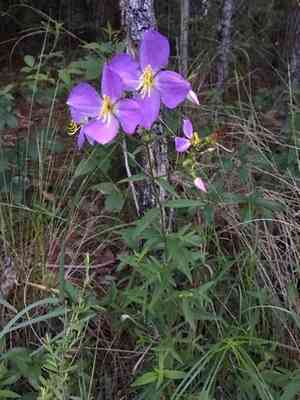
Maid marian, recognized for its vibrant pink blossoms and sturdy leaves, benefits from trimming in the initial part of spring or the latter portion of winter. Remove any lifeless or frail branches to foster more vigorous development and a greater profusion of blooms. It is essential to cut back no more than approximately one-third of the plant at any given period to prevent stress. Appropriate trimming aids in averting ailments, enhancing air movement, and preserving a neat look. Adhere to these recommendations to guarantee maid marian flourishes in your outdoor space.
What Are the Benefits of Pruning Maid Marian?
What Are the Benefits of Pruning Maid Marian?
Trimming maid marian promotes robust development and helps maintain its form. Regular trimming eliminates dead or diseased wood, improving air flow and decreasing pest infestations. It also encourages better flowering and overall plant vitality, ensuring an appealing and strong appearance.
What Is the Best Time for Pruning Maid Marian?
What Is the Best Time for Pruning Maid Marian?
Trimming maid marian in early spring or late winter is ideal because, during these periods, the plant is still dormant or just beginning to emerge. This reduces stress and allows maid marian to recover quickly. Pruning before the active growth cycle starts ensures energy is directed towards new growth and blooms, rather than repair. Additionally, it aids in shaping the plant effectively and fosters healthy growth throughout the growing season.
What Tools Do I Need to Prune Maid Marian?
Hand Pruners
Perfect for precise cuts on stems and smaller branches. Essential for detailed trimming and removing spent flowers.
Pruning Shears
Useful for cutting medium-sized stems and maintaining shape. Allows for clean cuts without harming the plant.
Bypass Loppers
Effective for severing thicker branches or stems. Necessary when stems become woody or for managing excessive growth.
Hand Saw
Important for addressing any larger, tougher branches that may develop. Ensures clean cuts on mature, woody parts without crushing.
How to Prune Maid Marian
Identify
Examine maid marian thoroughly to locate diseased and withered leaves. Diseased leaves may appear discolored, spotted, or misshapen, while withered leaves typically look dry and brittle.
Sanitize
Disinfect pruning tools (shears or scissors) with rubbing alcohol or a bleach solution to prevent the spread of diseases.
Trim diseased
Remove any diseased leaves by making a clean cut just below the affected area. Ensure the entire diseased part is removed to prevent further infection.
Trim withered
Cut off withered leaves at their base where they connect to the stem. This allows the plant to reallocate energy to healthy growth.
Dispose
Properly discard the removed leaves by sealing them in a bag and placing them away from other plants to prevent disease spread. Do not compost diseased material.
Common Pruning Mistakes with Maid Marian
Improper technique
Using dull or dirty tools can introduce disease into the plant. Also, poor cutting angles can damage stems and lead to uneven growth.
Incorrect timing
Pruning at the wrong time can stress the plant, potentially disrupting its natural growth cycle and reducing blooms.
Over-pruning
Removing too much foliage at once can weaken maid marian, making it more vulnerable to environmental stress and diseases.
Under-pruning
Not removing enough old or damaged growth can result in poor air circulation and exposure to sunlight, potentially fostering pest issues and inhibiting blooming.
Common Pruning Tips for Maid Marian
Use sharp tools
Always use sharp and clean pruning shears to make precise cuts, minimizing stem damage and reducing disease risk.
Identify targets
Focus on removing dead, diseased, or damaged stems first. Then, thin out overcrowded areas to improve air circulation.
Cut at the node
Make your cuts just above a node or bud. This encourages new growth from that point, promoting a more desirable shape and healthier plant.
Minimal pruning
Prune lightly and regularly rather than infrequently and heavily. This approach supports continuous healthy growth and maintains the plant's natural form.
Avoid waterlogged conditions
Ensure the plant is not waterlogged before pruning to avoid promoting fungal growth at the cut sites.



