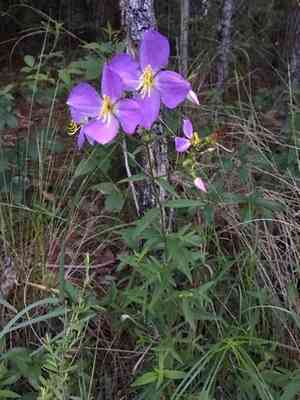
Maid marian (Rhexia nashii)
Also known as: Nash's Meadow-beauty
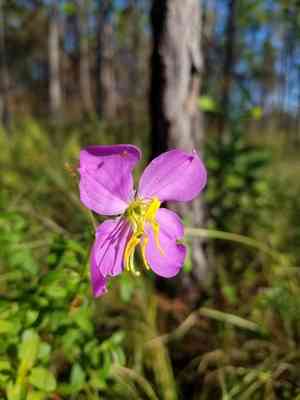
Maid Marian's flower, adorned in shades of pink and purplish-pink, boasts an extended blooming period, from late spring through to late autumn. The blooms take on a saucer-like form, with outer petals curving to form a smooth, rounded edge. As the flowers mature, they emit a unique fragrance reminiscent of cloves and fruit.
In This Article
Attributes of Maid marian
Lifespan
Perennial
Plant Height
30 cm to 1.8 m
Spread
70 cm
Leaf Color
Green
Flower Size
2-3 cm
Flower Color
Pink to purple
Images of Maid marian
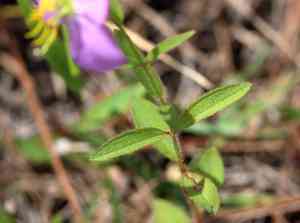
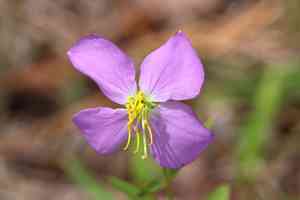
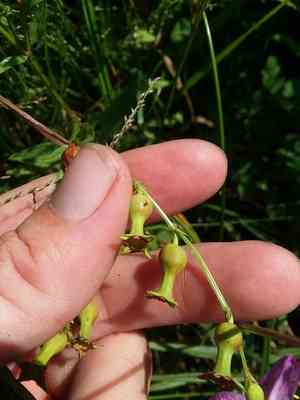
Quickly Identify Maid marian
1
Rhexia nashii can be identified by its square stems, opposite leaves with hairy surfaces, and strikingly beautiful flowers, which typically have four petals. The leaves are ovate to lanceolate, with toothed margins, and the plant often flourishes in wet, sandy soils.
Scientific Classification of Maid marian
Phylum
Vascular plants
Class
Dicotyledons
Order
Myrtales
Family
Melastome
Genus
Meadow beauty
Species
Maid marian
Planting and Growing of Maid marian
Care Difficulty
Moderate
Watering Schedule
Every 3 days
Sunlight Requirements
Full sun
Sunshine Duration
6-10 hours
Ideal Temperature
65-75℉
Soil Type
Potting Mix, Peat Mix
Soil pH
5.5-7
Fertilizer Type
Balanced
Pruning Season
Spring, Summer
Pruning Area
Branches, Leaves
Pruning Frequency
2 times a year
Repotting Season
Spring
Pot Type
Plastic, Ceramic
 How to Water Maid marian?
For Rhexia nashii, it is crucial to maintain soil moisture but avoid waterlogging. The plant thrives with approximately 200 milliliters per watering. Ensure the water penetrates deeply to reach the root zone while allowing surface soil to dry between waterings.
What are the symptoms of an underwatered Maid marian?
›
What should I do if my Maid marian is not getting enough water?
›
What are the symptoms of an overwatered Maid marian?
›
How to save an overwatered Maid marian?
›
 What Are the Sunlight Requirements for Maid marian?
Rhexia nashii thrives best in conditions that offer partial sunlight. Ideally, it should receive early morning sunlight with some protection during the afternoon. This ensures optimal photosynthesis and prevents overheating.
Optimal Positioning
›
Balanced Lighting Environment
›
Utilizing Artificial Light
›
 What Is the Ideal Temperature Range for Maid marian?
The ideal temperature range for growing Rhexia nashii is between 65 °F and 75 °F. This temperature range provides a balanced environment that supports optimal growth and development. Maintaining this range ensures that the plant can efficiently photosynthesize, uptake nutrients, and maintain cellular functions without stress induced by thermal extremes.
 What Soil is Best for Maid marian?
Rhexia nashii thrives in well-drained soils, which prevent root rot and allows the roots to access oxygen efficiently. This type of soil ensures that the plant remains healthy, vibrant, and less susceptible to diseases. The plant benefits from soils rich in organic matter and nutrients. Such composition supports robust growth, vibrant foliage, and increases the plant's flowering potential, keeping it lush and beautiful. Moderate moisture retention is crucial for Rhexia nashii, as it ensures that the plant receives adequate moisture without becoming waterlogged. This balance is key to preventing stress and encouraging strong growth.
 How to Fertilize Maid marian?
For Rhexia nashii, it's crucial to apply fertilizer moderately to avoid root burn. During the growing season, use half the recommended dose of a balanced liquid fertilizer every two weeks. This gentle feeding approach ensures healthy growth without overwhelming the plant's nutrient uptake capacity.
 How to Prune Maid marian?
Begin by removing any dead or damaged leaves and stems. Make cuts just above a leaf node to promote new growth. Shape the plant by evenly trimming around each side, keeping its natural form. Inspect for signs of infestation or disease before pruning. If noticed, cut away affected areas immediately to prevent spreading. Dispose of infected material far from healthy plants.
More About Pruning Techniques→
 How to Propagate Maid marian plant?
1
Begin by choosing healthy seeds from a reputable source. Inspect them for any signs of damage or disease. Healthy seeds are more likely to germinate, offering a higher success rate for cultivation.
2
Choose a healthy parent plant and use pruning shears to take cuttings. Make sure each cutting is around 4-6 inches long and remove any lower leaves to prevent rot during the rooting process.
3
For seeds, sow them in seed trays with a suitable medium. For cuttings, plant them about one-third deep in well-drained soil. Water thoroughly without waterlogging to encourage root development.
 How to Repot Maid marian plant?
1
Rhexia nashii typically exhibits signs it needs repotting when you notice roots growing out of the drainage holes or if the plant seems top-heavy and unstable. Additionally, if its growth appears stunted despite proper care, it's time for a change of scenery. The ideal time for repotting is in the growing seasons of spring or early summer to minimize stress and maximize recovery.
2
Select a pot that is one size larger than the current one, ensuring it has good drainage holes. This prevents waterlogging and root rot, crucial for Rhexia nashii's health. A pot made of breathable material like terracotta is ideal, aiding in healthy root aeration and moisture control.
3
Opt for a well-draining acidic soil mix, similar to what is used for azaleas. This type of mix supports Rhexia nashii's preference for slightly acidic growing conditions and prevents moisture retention that could lead to root rot. It ensures the roots have adequate aeration and drainage.
Learn More About Maid marian Diseases
Anthracnose
Bacterial Leaf Spot
Bacterial Wilt
Crown Gall
Cyst Nematode
Damping-off
Downy Mildew
Drought Stress
Fusarium Wilt
Gray Mold
Leaf Curl
Leaf Spot
Mosaic
Nutrient Deficiency
Nutrient Toxicity
Powdery Mildew
Root Rot
Root-knot Nematode
Rusts
Sooty Mold
Spider Mites
Temperature Stress
Thrips Damage
White Mold



