How to Prune Thread-leaved water crowfoot?
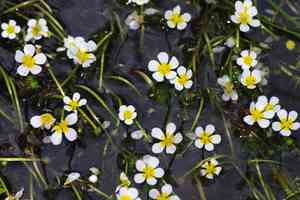
This water-loving perennial thrives in aquatic environments and produces fragile white blossoms. Trim thread-leaved water crowfoot during spring or summer to control its dimensions and stimulate flowering. Remove faded blooms and lifeless leaves with pond shears or manually to foster robust development. Make precise cuts to avoid harm. Occasional reduction improves water circulation and light access, positively impacting the pond's ecosystem. Consistent upkeep prevents excessive growth and sustains thread-leaved water crowfoot's visual charm in water gardens.
What Are the Benefits of Pruning Thread-leaved Water Crowfoot?
What Are the Benefits of Pruning Thread-leaved Water Crowfoot?
Trimming thread-leaved water crowfoot promotes robust development and helps maintain its desired form, essential for aquatic environments. It ensures the plant doesn't overshadow others and optimizes its health and visual appeal.
What Is the Best Time for Pruning Thread-leaved Water Crowfoot?
What Is the Best Time for Pruning Thread-leaved Water Crowfoot?
Pruning in Spring is optimal for thread-leaved water crowfoot as it coincides with the start of its active growth phase, allowing the plant to quickly recover and produce new foliage. Early Summer trimming is advantageous before blooming begins, to thin out dense growth and improve water circulation, which can boost the plant's overall vitality and flowering. These periods help avoid stressing thread-leaved water crowfoot during its dormant stage or peak bloom.
What Tools Do I Need to Prune Thread-leaved Water Crowfoot?
Aquatic Plant Trimmers
Perfect for reaching into water without disrupting the aquatic habitat, these trimmers are long enough to prune thread-leaved water crowfoot that might grow in deeper areas of a pond or stream.
Fine Pruning Scissors
These scissors offer enough precision to trim delicate foliage and stems of thread-leaved water crowfoot, which helps prevent damage to its fine structure.
Handheld Pruner
For thicker stems or more extensive trimming, a handheld pruner can provide clean cuts without applying excessive force on thread-leaved water crowfoot's stems.
How to Prune Thread-leaved Water Crowfoot
Disinfect tools
Sanitize all pruning implements with isopropyl alcohol or a 10% bleach solution to prevent disease transmission to thread-leaved water crowfoot.
Remove diseased leaves
Carefully snip off diseased leaves at their base, avoiding damage to nearby healthy foliage of thread-leaved water crowfoot. Discard these leaves to prevent disease spread.
Trim withered leaves
Prune any withered leaves similarly to diseased ones, ensuring clean cuts to promote healthy regrowth in thread-leaved water crowfoot.
Cut diseased stems
Identify and trim diseased stems, cutting them back to the point of healthy tissue, ensuring proper air circulation and sunlight penetration in thread-leaved water crowfoot.
Clean up
Gather and dispose of all trimmed parts away from healthy plants. Clean tools again to prevent any potential transmission of pathogens to or from thread-leaved water crowfoot.
Common Pruning Mistakes with Thread-leaved Water Crowfoot
Overpruning
Removing too much foliage from thread-leaved water crowfoot, which can weaken the plant and reduce its ability to photosynthesize efficiently.
Incorrect cutting technique
Making jagged or torn cuts on thread-leaved water crowfoot can lead to disease entry and pest infestation. Clean, sharp cuts are crucial for quick healing.
Pruning healthy growth
Unnecessary pruning of healthy foliage and stems that can otherwise support the overall vitality and flowering of thread-leaved water crowfoot.
Ignoring dead material
Failing to remove dead or decaying matter, which can harbor pests and diseases, negatively impacting thread-leaved water crowfoot's health.
Pruning without sanitization
Using unsanitized tools can spread pathogens from infected plants to healthy parts of thread-leaved water crowfoot or to other plants.
Indiscriminate pruning
Pruning without a clear understanding of thread-leaved water crowfoot's growth patterns can result in an unbalanced shape and uneven growth.
Common Pruning Tips for Thread-leaved Water Crowfoot
Sharp tools
Use sharp pruning tools to make clean cuts on thread-leaved water crowfoot, which help the plant to heal faster and prevent disease.
Focus on dead material
Concentrate on removing dead, diseased, or decaying plant material to maintain the health of thread-leaved water crowfoot.
Judicious pruning
Be conservative in cutting back thread-leaved water crowfoot, leaving healthy growth in place to support the life of the plant.
Sanitize tools
Always sanitize pruning tools before and after use to prevent the spread of diseases to or from thread-leaved water crowfoot.
Cut to node
Make cuts just above a leaf node or branching point to encourage new growth in thread-leaved water crowfoot.
Monitor plant response
After pruning, observe thread-leaved water crowfoot's response and adjust future pruning intensity and technique accordingly.



