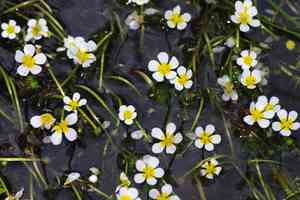
Thread-leaved water crowfoot (Ranunculus trichophyllus)
Also known as: White water buttercup
Marsh Marigold is a plant from the buttercup family that thrives in wet environments, such as marshes and streams. It is distinguished by its five-petaled flowers and more rounded leaves, setting it apart from other similar plants.
In This Article
Attributes of Thread-leaved water crowfoot
Lifespan
Perennial
Plant Type
Herb
Plant Height
30 cm
Spread
Not applicable
Leaf Color
Green
Flower Size
1.1 cm to 1.5 cm
Flower Color
White
Images of Thread-leaved water crowfoot
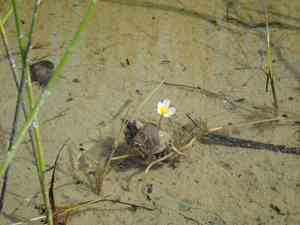
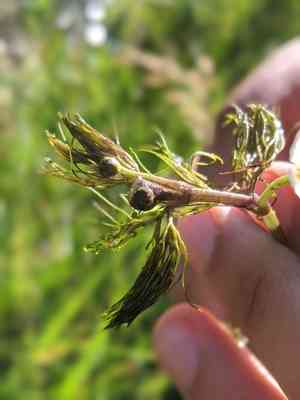
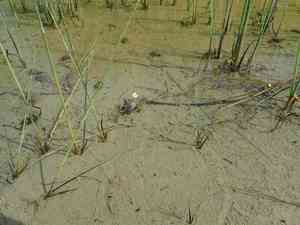
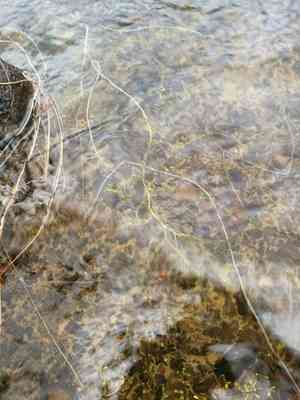
Quickly Identify Thread-leaved water crowfoot
1
This plant can be identified by its finely divided, thread-like leaves, which are typically submerged, and its small white flowers with five petals that float on the water surface.
Scientific Classification of Thread-leaved water crowfoot
Phylum
Vascular plants
Class
Dicotyledons
Order
Ranunculales
Family
Buttercup
Genus
Ranunculus
Species
Thread-leaved water crowfoot
Planting and Growing of Thread-leaved water crowfoot
Care Difficulty
Easy
Watering Schedule
Every 4 days
Sunlight Requirements
Partial sun
Sunshine Duration
4-8 hours
Ideal Temperature
59-68℉
Soil Type
Potting Mix, Peat Mix
Soil pH
6.5-7.5
Fertilizer Type
Balanced
Pruning Season
Spring, Summer
Pruning Area
Branches, Leaves
Pruning Frequency
2 times a year
Repotting Season
Spring
Pot Type
Plastic, Ceramic
 How to Water Thread-leaved water crowfoot?
Ranunculus trichophyllus thrives with a regular watering routine that ensures the soil remains consistently moist, but not waterlogged. Water each time with about 250 milliliters, ensuring the water penetrates through the soil and reaches the roots adequately. This amount mimics its natural habitat conditions.
What are the symptoms of an underwatered Thread-leaved water crowfoot?
›
What should I do if my Thread-leaved water crowfoot is not getting enough water?
›
What are the symptoms of an overwatered Thread-leaved water crowfoot?
›
How to save an overwatered Thread-leaved water crowfoot?
›
 What Are the Sunlight Requirements for Thread-leaved water crowfoot?
Ranunculus trichophyllus performs ideally in partial to full sun, where intense morning light and sheltered afternoons can foster its growth. Proper lighting ensures vigorous blooming, healthier foliage, and a more robust plant structure.
More About Sunlight Requirements Techniques→
Optimal Light Intensity Requirement
›
Balancing Exposure and Protection
›
Benefits of Proper Lighting
›
 What Is the Ideal Temperature Range for Thread-leaved water crowfoot?
Ranunculus trichophyllus thrives best within a specific temperature range that mimics their natural environment. It is crucial to maintain temperatures between 59°F to 68°F. These conditions help ensure proper growth, vibrant blooms, and overall plant health. Sticking to this range provides optimal photosynthesis rates and keeps the plant stress-free.
 What Soil is Best for Thread-leaved water crowfoot?
Ranunculus trichophyllus thrives in well-drained soil to prevent waterlogging, which can cause root rot. This ensures the roots get enough oxygen, promoting healthy growth and vibrant blooms. While it prefers well-drained soil, this plant also needs consistent moisture. A sandy loam soil with good moisture retention capabilities can help maintain the right balance, supporting the plant's lush foliage. A nutrient-rich soil is ideal for this plant's growth, providing essential minerals and nutrients that enhance its natural vigor and resistance to pests and diseases.
 How to Fertilize Thread-leaved water crowfoot?
For Ranunculus trichophyllus, it's vital to not over-fertilize as it can be sensitive. Employ a balanced, water-soluble fertilizer, diluted to half-strength, and apply at the recommended interval. Each application should use approximately 10-20 ml per liter of water, ensuring the plant receives adequate nutrients without overwhelming its system.
 How to Prune Thread-leaved water crowfoot?
Start by inspecting the Ranunculus trichophyllus for any dead or diseased stems and remove them using sharp, sterilized scissors. Next, focus on spent flowers; snip off old blossoms at their base to encourage new growth. Trim any stems that appear leggy or bare to encourage a denser bush. Throughout the process, periodically step back to assess the plant’s shape and make additional cuts as necessary to maintain a balanced and visually appealing appearance.
More About Pruning Techniques→
 How to Propagate Thread-leaved water crowfoot plant?
1
For division, carefully uproot the plant and wash the roots gently to remove soil. Examine and identify natural divisions or sections in the root system for separation.
2
For seed propagation, evenly distribute seeds over the soil surface in a seed tray. Lightly press them into the soil without burying them too deeply to ensure good contact with the soil.
3
For division, once separated, plant each section into a pot with appropriate potting mix. Water the divisions lightly and place them in a location with indirect sunlight.
 How to Repot Thread-leaved water crowfoot plant?
1
Ranunculus trichophyllus indicates the need for repotting when it becomes root-bound or water drains slowly from its pot. Visible roots emerging from the drainage holes are a clear sign. Additionally, if the soil becomes compacted or the plant's growth has slowed considerably, it's time to consider repotting to give the roots more room and fresh nutrients.
2
Select a pot that is one to two inches larger in diameter than the current one to allow for root growth. Ensure the pot has ample drainage holes to prevent water stagnation, which could lead to root rot. A terracotta pot is ideal as it promotes breathability, reducing the risk of overwatering.
3
Opt for a mix that is moist yet well-draining, such as a peat-based loamy soil with added perlite or sand to enhance drainage. This soil mix mimics the plant's natural habitat, encouraging healthy growth by preventing waterlogging and enabling sufficient oxygen to reach the roots.
Toxicity
Ingestion, Skin Contact
WARNING
The judgment on toxicity and danger is for reference only. We DO NOT GUARANTEE any accuracy of such judgment. Therefore, you SHALL NOT rely on such judgment. It is IMPORTANT TO SEEK PROFESSIONAL ADVICE in advance when necessary.
Learn More About Thread-leaved water crowfoot Diseases
Anthracnose
Bacterial Leaf Spot
Bacterial Soft Rot
Bacterial Wilt
Chemical Injury
Damping-off
Downy Mildew
Drought Stress
Fusarium Wilt
Gray Mold
Leaf Spot
Mosaic
Nutrient Deficiency
Nutrient Toxicity
Powdery Mildew
Root Rot
Root-knot Nematode
Rusts
Sooty Mold
Spider Mites
Temperature Stress
Thrips Damage
White Mold



