How to Prune Delicate buttercup?
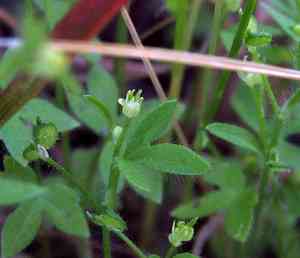
The fragile buttercup, recognized for its diminutive, tender blossoms and intricately segmented foliage, thrives with trimming performed in early spring or late winter. Eliminate any deceased or compromised stalks to foster vigorous development. Severing faded blooms can extend the flowering period. Pruning improves air movement, thereby lowering the likelihood of disease, and encourages a denser form, which is vital for its visual attractiveness and overall strength. Always employ sanitized, keen implements to avert pathogens and guarantee accurate incisions.
What Are the Benefits of Pruning Delicate Buttercup?
What Are the Benefits of Pruning Delicate Buttercup?
Trimming delicate buttercup encourages robust development and maintains its form, ensuring a thriving and strong plant. Effective trimming also boosts blooming, manages size, and lowers pest and disease risks, contributing to an overall enhanced look.
What Is the Best Time for Pruning Delicate Buttercup?
What Is the Best Time for Pruning Delicate Buttercup?
Pruning or trimming delicate buttercup in early spring or late winter allows the plant to recover before its active growth period, fostering healthier regrowth. These seasons are ideal as delicate buttercup will have minimal foliage and can better withstand the stress of pruning. Additionally, cutting back during these times helps remove any damaged or dead parts from the previous year, preparing the plant for a vigorous flowering season.
What Tools Do I Need to Prune Delicate Buttercup?
Bypass Pruners
These are crucial for making clean cuts on stems, which helps prevent disease and promotes healthy growth. Use them to remove dead or damaged stems and to shape the plant.
Precision Pruning Shears
Useful for detailed work, ideal for trimming small, tender growth without damaging nearby stems. They allow for precise cuts needed for thin stems.
Handheld Garden Scissors
These are excellent for delicate pruning tasks, providing control and accuracy when trimming off faded flowers or light pruning.
How to Prune Delicate Buttercup
Inspection
Carefully examine delicate buttercup for any indications of diseased leaves and withered leaves. Look for discoloration, spots, or other signs of poor health.
Tools Preparation
Gather and sanitize your pruning tools, such as scissors or shears, by wiping them with rubbing alcohol to prevent the spread of disease.
Diseased Removal
Trim off diseased leaves as close to the base of the leaf stem as possible, ensuring to cut through healthy tissue to prevent the disease from spreading.
Withered Removal
Remove withered leaves by cutting them back to the healthy part of the plant or to the base if they are completely dead.
Disposal
Safely dispose of all pruned leaves to avoid the potential spread of disease. Place them in a sealed bag and discard them appropriately.
Common Pruning Mistakes with Delicate Buttercup
Improper technique
Using incorrect or dull tools can cause damage to the plant, leading to torn or jagged cuts that are more susceptible to disease.
Over-pruning
Removing too much foliage at once can stress delicate buttercup, reducing its ability to photosynthesize and potentially hindering growth and flowering.
Pruning at the wrong time
Pruning during inappropriate times can disturb the natural growth cycle of delicate buttercup, leading to shock or reduced flowering in subsequent seasons.
Common Pruning Tips for Delicate Buttercup
Use sharp tools
Always use clean, sharp pruning shears to ensure smooth cuts that heal quickly. Sterilize tools before use to prevent the spread of disease.
Follow the natural shape
Prune delicate buttercup in a way that maintains its natural shape. Avoid making radical cuts that alter its growth pattern.
Remove dead or diseased parts
Regularly inspect delicate buttercup for any dead or diseased stems and remove them promptly. This prevents the spread of disease and encourages healthy growth.
Practice gradual pruning
Instead of heavy pruning, opt for gradual trimming over time. This minimizes stress on delicate buttercup and allows for steady, controlled growth.
Make angled cuts
When making cuts, do so at a slight angle, just above a leaf node or bud. This promotes proper water runoff and prevents standing moisture, which can lead to rot.


