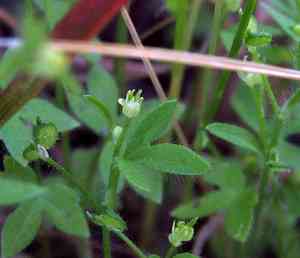
Delicate buttercup (Ranunculus hebecarpus)
Also known as: Pubescent-fruited buttercup
The plant you're referring to is likely the Delicate Buttercup (Ranunculus hebecarpus). This small, herbaceous perennial features soft, lobed leaves that create a lush green ground cover. Its pale yellow flowers, reminiscent of buttercups, bloom in late spring. Found in moist meadows, it produces woolly-seeded fruit, which aids in dispersal by wind and water.
In This Article
Attributes of Delicate buttercup
Lifespan
Perennial
Plant Type
Herb
Plant Height
8-20 inches
Spread
Typically not wide; mainly an erect and slender plant
Leaf Color
Green
Flower Size
0.25-0.5 inches
Flower Color
Pale Yellow
Images of Delicate buttercup
Quickly Identify Delicate buttercup
1
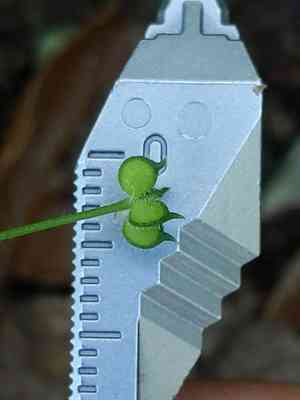
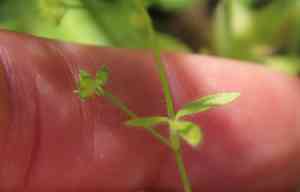
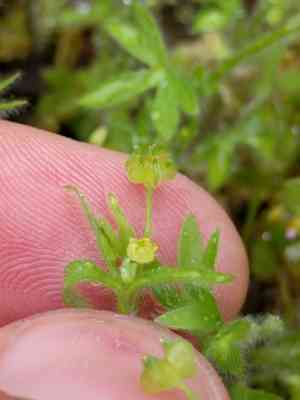
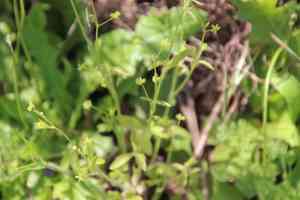
Recognizing Ranunculus hebecarpus involves looking for its slender, erect stems and finely divided leaves. The flowers are small with five pale yellow petals, and it produces small, hairy fruits.
Scientific Classification of Delicate buttercup
Phylum
Vascular plants
Class
Dicotyledons
Order
Ranunculales
Family
Buttercup
Genus
Ranunculus
Species
Delicate buttercup
Planting and Growing of Delicate buttercup
Care Difficulty
Moderate
Watering Schedule
Every 2 days
Sunlight Requirements
Full sun
Sunshine Duration
4-6 hours
Ideal Temperature
59-77℉
Soil Type
Potting Mix, Peat Mix
Soil pH
6.5-7.5
Fertilizer Type
Balanced
Pruning Season
Spring, Summer
Pruning Area
Branches, Leaves
Pruning Frequency
2 times a year
Repotting Season
Spring
Pot Type
Plastic, Ceramic
 How to Water Delicate buttercup?
Ranunculus hebecarpus prefers to be watered thoroughly but infrequently. When watering, make sure to saturate the soil until water drains out the bottom of the pot. This encourages deep root growth and ensures the plant gets enough moisture.
What are the symptoms of an underwatered Delicate buttercup?
›
What should I do if my Delicate buttercup is not getting enough water?
›
What are the symptoms of an overwatered Delicate buttercup?
›
How to save an overwatered Delicate buttercup?
›
 What Are the Sunlight Requirements for Delicate buttercup?
Ranunculus hebecarpus flourishes in areas with full to partial sun exposure. Adequate light promotes energy production, leading to healthier growth patterns and enhanced ornamental display.
How much sun does Ranunculus hebecarpus need?
›
What kind of light is best for Ranunculus hebecarpus?
›
What happens if ideal light conditions are met?
›
 What Is the Ideal Temperature Range for Delicate buttercup?
The ideal temperature range for Ranunculus hebecarpus to thrive is between 59°F and 77°F. This range allows for optimal photosynthesis and growth without causing stress to the plant.
 What Soil is Best for Delicate buttercup?
Ranunculus hebecarpus thrives best in well-drained soil, which prevents water from pooling around the roots and helps avoid root rot. This condition mimics its natural habitat and allows the plant to establish strong, healthy roots. The plant prefers nutrient-rich soil that provides the essential minerals and nutrients needed for robust growth. Fertile soil enhances the plant's blooming potential, resulting in vibrant and prolific flowers. Soil with moderate moisture content is ideal for Ranunculus hebecarpus, enabling the plant to maintain its hydration without becoming waterlogged. This balance supports healthy metabolic functions and optimizes plant vigour.
 How to Fertilize Delicate buttercup?
For Ranunculus hebecarpus, the fertilization amount should be moderate. When using liquid fertilizer, apply approximately 500 ml per plant, ensuring the soil is moist before application. For solid fertilizers, 100 grams per square meter should suffice, spread evenly across the soil surface and lightly mixed in to avoid burning the roots.
 How to Prune Delicate buttercup?
Always prune during the spring or summer when the plant is actively growing. Avoid pruning in winter since the plant is dormant and may not recover well. Regularly monitor the plant’s growth to determine when pruning is necessary. Rapid growth in spring can result in leggy or misshapen plants if not trimmed back. While it might be tempting to prune heavily, doing so can stress the plant. Focus on removing no more than one-third of the plant’s total growth at any given time.
More About Pruning Techniques→
 How to Propagate Delicate buttercup plant?
1
Sow the seeds on the surface of the soil mix and lightly press them in without covering them with soil, as Ranunculus hebecarpus seeds require light for germination. Maintain even moisture by using a spray bottle.
2
Place the seed tray in a warm area that receives indirect sunlight, maintaining a temperature of around 18-22°C (64-72°F) to promote germination. A bright window sill or a greenhouse is ideal.
3
Once seedlings emerge, provide them with plenty of light to prevent leggy growth. Thin out crowded seedlings to allow ample space for each to develop a strong root system. Water consistently but avoid overwatering.
 How to Repot Delicate buttercup plant?
1
Look for signs like root-bound conditions, reduced growth rate, and nutrient deficiency. If Ranunculus hebecarpus starts showing roots through drainage holes or water doesn't easily drain, it’s time to consider repotting. These are strong indicators that the plant has outgrown its current home and needs more space for root expansion.
2
Opt for a pot 1-2 inches larger than the current one with drainage holes. This allows room for growth while preventing waterlogging. A well-chosen pot with drainage backs up the roots' need for air and helps avoid root rot, promoting a healthy and thriving plant.
3
Use a well-draining soil mix with components like perlite, peat moss, and sand. This blend offers necessary aeration and prevents water retention, crucial for preventing root rot. The light, loose mix enables the roots of Ranunculus hebecarpus to spread easily and access nutrients effectively.
Toxicity
Ingestion
WARNING
The judgment on toxicity and danger is for reference only. We DO NOT GUARANTEE any accuracy of such judgment. Therefore, you SHALL NOT rely on such judgment. It is IMPORTANT TO SEEK PROFESSIONAL ADVICE in advance when necessary.
Learn More About Delicate buttercup Diseases
Anthracnose
Bacterial Leaf Spot
Bacterial Soft Rot
Bacterial Wilt
Chemical Injury
Cyst Nematode
Damping-off
Downy Mildew
Drought Stress
Fusarium Wilt
Gray Mold
Leaf Curl
Leaf Spot
Mosaic
Nutrient Deficiency
Nutrient Toxicity
Powdery Mildew
Root Rot
Root-knot Nematode
Rusts
Sooty Mold
Spider Mites
Temperature Stress
Thrips Damage
White Mold


