How to Prune Azores buttercup?
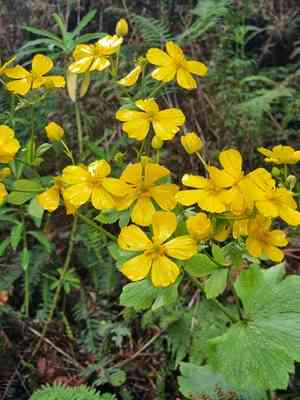
This enduring herbaceous plant is recognized for its lustrous foliage and golden blossoms. For azores buttercup, it is essential to routinely remove spent or withered blooms to stimulate fresh development. Trim the leaves following the blooming period to preserve its form and vigor. The most opportune periods for pruning are late spring, post-flowering, and in autumn, to ready the plant for its winter rest. Pruning not only fosters new shoots but also aids in averting ailments by improving air movement throughout the plant.
What Are the Benefits of Pruning Azores Buttercup?
What Are the Benefits of Pruning Azores Buttercup?
Trimming azores buttercup promotes a rich display of blossoms, stimulates robust development, and assists in maintaining its desired dimensions and form, ensuring visual appeal and plant vitality.
What Is the Best Time for Pruning Azores Buttercup?
What Is the Best Time for Pruning Azores Buttercup?
Trimming azores buttercup in spring aligns with its initial growth phase, enabling the plant to channel energy into producing vigorous new shoots post-trimming. This period also sees the plant less vulnerable to ailments, as open cuts can mend more rapidly in mild weather. Early autumn pruning is advantageous for clearing away any spent flowers or dead foliage accumulated over summer, preparing azores buttercup for its dormant winter phase without significantly depleting its energy reserves. Pruning during summer or late autumn is avoided to ensure azores buttercup retains strength during its blooming period and to minimize stress or harm leading into winter dormancy.
What Tools Do I Need to Prune Azores Buttercup?
Bypass Pruners
Perfect for making precise cuts on azores buttercup's green stems without crushing plant tissues. Bypass pruners operate like scissors, with two sharp blades passing each other to deliver clean cuts, reducing damage and fostering healthy regrowth.
Scissors or Snips
Suitable for removing spent flowers or carefully trimming azores buttercup's smaller, delicate stems and leaves. Scissors allow for meticulous snipping that prevents unnecessary strain on the plant's structure.
Gloves
Crucial for hand protection when trimming azores buttercup, as certain varieties may have mildly irritating sap. Gloves also offer a better grip, lessening the chance of accidental slips that could harm the plant.
Cleaning Alcohol or Disinfectant
Used to sanitize tools before and after trimming azores buttercup to prevent disease transmission. Keeping tools clean ensures the well-being of azores buttercup and other garden plants.
How to Prune Azores Buttercup
Cleaning tools
Before attending to azores buttercup, disinfect pruning shears or scissors with a solution of 1 part bleach to 9 parts water to prevent the spread of disease.
Removing diseased leaves
Identify and carefully remove any diseased leaves from azores buttercup, making clean cuts at the base of the leaf stem to avoid damage to the main plant.
Eliminating withered leaves
Trim away withered leaves from azores buttercup by cutting them at their base, close to the ground or the main stem, to promote healthy growth and improve air circulation.
Pruning withered flowers
Deadhead withered flowers on azores buttercup by cutting the flower stem just above the first set of healthy leaves to encourage continued blooming and direct the plant's energy into new growth.
Post pruning care
After pruning, clean up fallen debris around azores buttercup to prevent fungal growth and dispose of diseased material away from healthy plants to minimize disease spread.
Common Pruning Mistakes with Azores Buttercup
Overpruning
Removing excessive foliage at once can stress azores buttercup, impeding its growth and flowering capacity. It's essential to prune judiciously to maintain the plant's health and vigor.
Improper tool use
Using dull or dirty tools can harm azores buttercup's stems and leaves, leading to disease and poor healing. Sharp, clean tools make cleaner cuts and encourage better recovery.
Neglecting deadheading
Failing to remove spent flowers can prevent azores buttercup from producing new blooms. Deadheading is crucial for promoting continuous flowering throughout the growing season.
Ignoring diseased material
Not promptly removing and disposing of diseased plant parts can allow infections to spread. Regular inspection and sanitation are key to azores buttercup's health.
Uneven pruning
Pruning azores buttercup unevenly can result in an unbalanced shape, affecting both aesthetics and potentially its overall health by reducing light penetration and air circulation to the plant's center.
Common Pruning Tips for Azores Buttercup
Selective pruning
Focus on removing only the dead or damaged foliage to maintain azores buttercup's natural shape. Selective pruning encourages healthy growth without the risk of overpruning.
Consistent maintenance
Regularly check azores buttercup for spent blooms and remove them to encourage new flower production. Consistent maintenance is critical for the longevity and aesthetics of the plant.
Clean cut angled
When pruning, make clean, angled cuts just above a leaf node or bud to promote healing and new growth. This technique also helps prevent water accumulation, which can lead to rot.
Tool sanitization
Sanitize tools before and after pruning azores buttercup to minimize the risk of spreading diseases. Use a solution of bleach or alcohol for effective sanitization.
Aesthetic shaping
While shaping azores buttercup, consider its natural growth habit for a pleasing appearance. Gentle shaping can enhance the plant's form without compromising its health.



