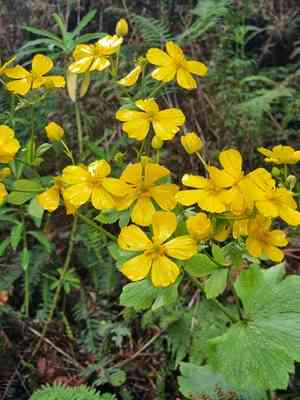
Azores buttercup (Ranunculus cortusifolius)
Also known as: Canary buttercup
The plant features leaves that are divided into lobes resembling the fingers of a hand, and it produces striking yellow blossoms.
In This Article
Attributes of Azores buttercup
Lifespan
Perennial
Plant Type
Herb
Plant Height
1.2 m
Spread
90 cm
Leaf Color
Green
Flower Size
2-4 cm
Flower Color
Yellow
Images of Azores buttercup


Quickly Identify Azores buttercup
1
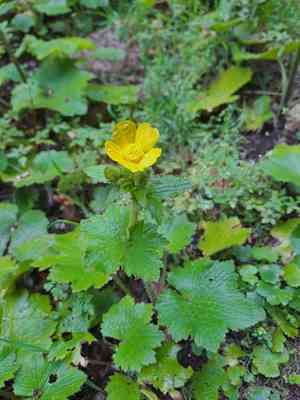
Palmately lobed bright green leaves up to 12 inches (30 cm) across.
2
Tall inflorescences with many bright yellow flowers, each 1.5 to 2 inches (3.8 to 5 cm) wide.
Scientific Classification of Azores buttercup
Phylum
Vascular plants
Class
Dicotyledons
Order
Ranunculales
Family
Buttercup
Genus
Ranunculus
Species
Azores buttercup
Planting and Growing of Azores buttercup
Care Difficulty
Easy
Watering Schedule
Every 4 days
Sunlight Requirements
Partial sun
Sunshine Duration
4-6 hours
Ideal Temperature
50-68℉
Soil Type
Potting Mix, Peat Mix
Soil pH
6.5-7.5
Fertilizer Type
Balanced
Pruning Season
Spring, Summer
Pruning Area
Branches, Leaves
Pruning Frequency
2 times a year
Repotting Season
Spring
Pot Type
Plastic, Ceramic
 How to Water Azores buttercup?
Watering for Ranunculus cortusifolius should be thorough, ensuring the soil is evenly moist but not waterlogged. A rule of thumb is to allow the top inch of the soil to dry out between waterings, which encourages deeper root growth and prevents root rot.
What are the symptoms of an underwatered Azores buttercup?
›
What should I do if my Azores buttercup is not getting enough water?
›
What are the symptoms of an overwatered Azores buttercup?
›
How to save an overwatered Azores buttercup?
›
 What Are the Sunlight Requirements for Azores buttercup?
Ranunculus cortusifolius prefers partial sun, ideally receiving 4 to 6 hours of filtered daylight. This consistent light range supports healthy growth and abundant flowering by preventing both light stress and deprivation issues.
More About Sunlight Requirements Techniques→
How much light does Ranunculus cortusifolius need?
›
What are solutions for getting ideal light for Ranunculus cortusifolius?
›
What are the benefits for Ranunculus cortusifolius under ideal lighting conditions?
›
 What Is the Ideal Temperature Range for Azores buttercup?
For optimal growth, Ranunculus cortusifolius thrives best in temperatures ranging from 50 to 68°F. At this range, the plant can efficiently photosynthesize and maintain its physiological functions. These temperatures are similar to their native conditions in Canary Islands, promoting lush foliage and abundant flowering.
 What Soil is Best for Azores buttercup?
Ranunculus cortusifolius thrives in well-drained soil. This type of soil prevents waterlogging, ensuring that the roots receive adequate oxygen. Proper drainage is crucial for this plant to flourish and is ideal for avoiding root rot. A nutrient-rich soil is essential for the optimal growth of Ranunculus cortusifolius. Ensuring a good supply of organic matter, like compost, boosts its flowering capabilities and overall health. This plant requires soil that retains a moderate level of moisture but is not too wet. Maintaining moisture helps support its vigorous growth while avoiding the risks associated with overly soggy soil.
 How to Fertilize Azores buttercup?
For optimal growth, Ranunculus cortusifolius requires a balanced fertilization approach. Use approximately 1/4 teaspoon of liquid fertilizer per gallon of water during the growing season, ensuring the nutrient mix is well-distributed for effective absorption.
 How to Prune Azores buttercup?
Begin by carefully examining your Ranunculus cortusifolius for any dead or diseased stems. Dead stems appear dry and brittle, while diseased ones may show signs of mold or unusual discoloration. Gently remove these at the base to promote healthy growth and reduce the spread of disease. Focus on shaping the plant by selectively pruning branches that disrupt the desired silhouette. Trim back leggy or wayward stems to encourage a fuller, more balanced shape. This not only improves the overall look but also supports better air circulation through the foliage. When trimming healthy stems, make your cuts just above a set of leaves or a leaf node. This encourages new growth from the point of the cut, leading to a bushier and more vigorous plant. Avoid cutting too close to the node to prevent damage to future growth.
More About Pruning Techniques→
 How to Propagate Azores buttercup plant?
1
Fill a seed tray with a well-draining seed starting mix, sow the seeds approximately 1 cm apart, and lightly cover with a thin layer of the mix. Water gently to avoid dislodging seeds.
2
Select healthy, non-flowering shoots, cut them just below a leaf node, and remove the lower leaves. Dip the ends in rooting hormone and plant them in a mixture of sand and peat.
3
Dividing mature plants involves excavating the root clump and gently pulling apart sections with distinct shoots and roots. Replant sections immediately to prevent root drying.
 How to Repot Azores buttercup plant?
1
Ranunculus cortusifolius should be repotted when you notice that its roots are beginning to outgrow their current pot, usually indicated by roots showing at the drainage holes or the soil drying out too quickly after watering. Another signal is when the plant looks stunted with little new growth.
2
Select a pot that is one size larger than the current one, ideally with drainage holes to avoid waterlogging. A slightly larger pot gives roots enough space to grow while providing better air circulation and preventing root rot. Ensure it's wide enough to accommodate the plant's spreading growth habit.
3
Opt for a well-draining loamy soil to nourish Ranunculus cortusifolius. This type of soil retains sufficient moisture but doesn't become waterlogged, which is crucial for avoiding root diseases. Additionally, it provides the plant with essential nutrients for growth.
Toxicity
Ingestion, Contact
WARNING
The judgment on toxicity and danger is for reference only. We DO NOT GUARANTEE any accuracy of such judgment. Therefore, you SHALL NOT rely on such judgment. It is IMPORTANT TO SEEK PROFESSIONAL ADVICE in advance when necessary.
Learn More About Azores buttercup Diseases
Anthracnose
Bacterial Leaf Spot
Bacterial Soft Rot
Bacterial Wilt
Crown Gall
Cyst Nematode
Damping-off
Downy Mildew
Drought Stress
Fusarium Wilt
Gray Mold
Leaf Curl
Leaf Spot
Mosaic
Nutrient Deficiency
Nutrient Toxicity
Powdery Mildew
Root Rot
Root-knot Nematode
Rusts
Sooty Mold
Spider Mites
Temperature Stress
Thrips Damage
White Mold



