How to Prune Sacramento valley buttercup?
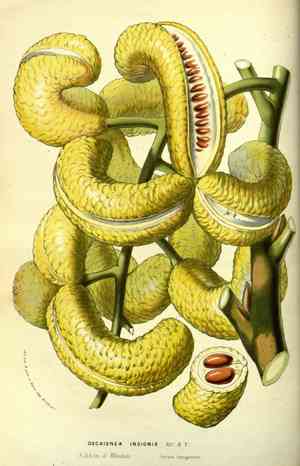
The Sacramento valley buttercup, recognized for its vivid yellow blossoms and abundant foliage, flourishes when consistently trimmed. Essential methods involve excising withered or compromised stalks and reducing dense growth to enhance air movement. The most suitable periods for pruning are late winter and early spring, coinciding with its developmental phase. Trimming sacramento valley buttercup fosters more vigorous leaves, stimulates increased flowering, and aids in disease prevention. Consistent upkeep guarantees a sturdy and attractive specimen, accentuating its inherent charm in any landscape.
What Are the Benefits of Pruning Sacramento Valley Buttercup?
What Are the Benefits of Pruning Sacramento Valley Buttercup?
Trimming sacramento valley buttercup encourages robust development and helps maintain a defined form, ensuring healthy growth and preventing excessive spread. Regular trimming also improves air movement, lowering disease risk and supporting overall plant vitality.
What Is the Best Time for Pruning Sacramento Valley Buttercup?
What Is the Best Time for Pruning Sacramento Valley Buttercup?
Trimming sacramento valley buttercup in early spring or late winter aligns with its growth cycle and health. During these periods, the plant is typically dormant or just starting to emerge from dormancy, which minimizes stress and supports strong growth in subsequent seasons. Pruning before the active growing period also promotes better flowering. Early spring and late winter trimming ensure that energy is directed towards new, vigorous growth rather than maintaining older, potentially damaged branches.
What Tools Do I Need to Prune Sacramento Valley Buttercup?
Hand Pruners
These are perfect for precise cuts on tender stems and removing spent flowers. Hand pruners provide control and accuracy, crucial for maintaining smaller plant varieties.
Pruning Shears
Useful for cutting back larger stems without harming the plant. They are particularly effective for managing growth and shape.
Bypass Pruners
Important for clean cuts on living stems, reducing damage and encouraging healthy regrowth. Bypass pruners are especially helpful for densely packed growth.
Sterilizing Solution
Essential for cleaning tools before and after use to prevent the spread of diseases. Maintaining clean tools ensures overall plant health.
How to Prune Sacramento Valley Buttercup
Inspection
Examine sacramento valley buttercup thoroughly to identify any diseased or withered leaves that require attention. Pay particular attention to foliage showing signs of discoloration or damage.
Preparation
Prepare sterilized pruning shears or scissors to prevent the potential spread of pathogens. Alcohol wipes or a diluted bleach solution can be used for sterilization.
DiseasedLeavesRemoval
Carefully trim away any diseased leaves at their base, making sure to cut close to the stem but avoiding damage to healthy tissue. This helps to prevent the spread of disease to the remaining parts of sacramento valley buttercup.
WitheredLeavesRemoval
Cut off withered leaves by following the same approach as for diseased leaves. Ensure the cuts are clean and even to promote healthy regrowth.
Disposal
Dispose of all removed foliage properly by bagging and discarding them away from the garden area. This minimizes the risk of the disease spreading back to sacramento valley buttercup or other plants.
Common Pruning Mistakes with Sacramento Valley Buttercup
Over-pruning
Removing too many stems and leaves can weaken sacramento valley buttercup and reduce its ability to photosynthesize, leading to poor growth and fewer flowers.
Improper cutting technique
Using dull or unclean tools can cause jagged cuts, making sacramento valley buttercup susceptible to diseases and pests.
Pruning at the wrong time
Pruning at inappropriate times can disrupt the growth cycle of sacramento valley buttercup, affecting blooming and overall health.
Ignoring dead or diseased parts
Failing to remove diseased or dead sections can lead to the spread of infections and hinder the plant's overall health.
Common Pruning Tips for Sacramento Valley Buttercup
Use sharp, clean tools
Always sanitize pruning shears and ensure they are sharp to make precise cuts that heal quickly.
Remove dead or diseased wood
Regularly inspect sacramento valley buttercup and promptly remove any dead or diseased stems to prevent the spread of infections.
Avoid heavy pruning
Only trim a small percentage of the plant at a time to avoid stress. Focus on maintaining shape and removing obstructive branches.
Prune for air circulation
Thin out crowded areas to improve air circulation, reducing the risk of fungal infections and promoting healthy growth.
Make clean cuts
Cut just above a bud or leaf node at a 45-degree angle to encourage new growth and prevent water from settling on the cut surface.



