Sacramento valley buttercup (Ranunculus canus)
Also known as: Nevada buttercup
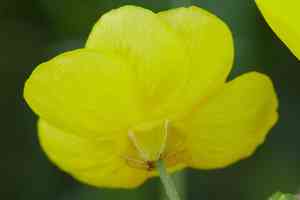
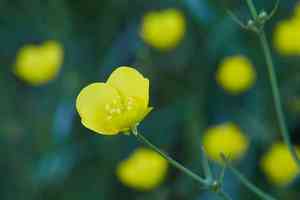
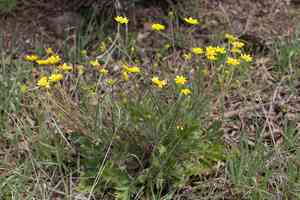
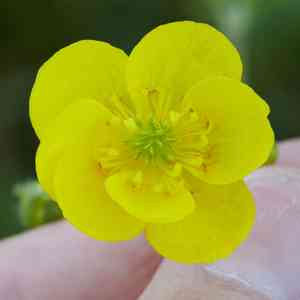
The Sacramento Valley buttercup (Ranunculus canus) is a perennial herb notable for its bright yellow flowers, which feature five distinct petals, and its glossy green leaves. It typically blooms from February to April. Unlike the velvety silver foliage mentioned, this buttercup has a more vibrant green appearance. It prefers open, grassy environments such as meadows, vernal pools, and stream banks, often thriving in clay or heavy soils. While it enjoys moist conditions during its growing season, it is also adapted to withstand periods of drought, making it well-suited to the diverse climates of the Sacramento Valley and surrounding regions.
In This Article
Attributes of Sacramento valley buttercup
Lifespan
Perennial
Plant Type
Herb
Plant Height
20-50 cm
Spread
Often forms clumps up to 30 cm wide
Leaf Color
Green
Flower Size
2-3 cm
Flower Color
Yellow
Images of Sacramento valley buttercup
Quickly Identify Sacramento valley buttercup
1
Identification of Ranunculus canus involves looking for its yellow, cup-shaped flowers with numerous glossy petals and its finely divided, fern-like leaves. The plant usually grows in clumps, and its flowers are borne on slender stems.
Scientific Classification of Sacramento valley buttercup
Phylum
Vascular plants
Class
Dicotyledons
Order
Ranunculales
Family
Buttercup
Genus
Ranunculus
Species
Sacramento valley buttercup
Planting and Growing of Sacramento valley buttercup
Care Difficulty
Moderate
Watering Schedule
Every 2 days
Sunlight Requirements
Partial sun
Sunshine Duration
4-6 hours
Ideal Temperature
60-75℉
Soil Type
Potting Mix, Peat Mix
Soil pH
6.5-7.5
Fertilizer Type
Balanced
Pruning Season
Spring, Summer
Pruning Area
Branches, Leaves
Pruning Frequency
2 times a year
Repotting Season
Spring
Pot Type
Plastic, Ceramic
 How to Water Sacramento valley buttercup?
For Ranunculus canus, it is best to water until the soil is evenly moist but not waterlogged. This plant prefers a moderate level of moisture in the soil, so aim to thoroughly saturate the soil to a depth of at least 2-3 inches, equivalently, provide around 250 ml per watering session.
What are the symptoms of an underwatered Sacramento valley buttercup?
›
What should I do if my Sacramento valley buttercup is not getting enough water?
›
What are the symptoms of an overwatered Sacramento valley buttercup?
›
How to save an overwatered Sacramento valley buttercup?
›
 What Are the Sunlight Requirements for Sacramento valley buttercup?
Partial sun to full sun is ideal. This range supports healthy growth and blooms, balancing light intake with protection from harsh rays. An ideal range enables efficient photosynthesis and strong, vibrant foliage.
Ideal Lighting Conditions Solution
›
How to Achieve Ideal Lighting
›
Benefits of Ideal Lighting
›
 What Is the Ideal Temperature Range for Sacramento valley buttercup?
The ideal temperature range for cultivating Ranunculus canus is between 60°F to 75°F. This range helps facilitate healthy growth and optimal flowering. Maintaining this temperature range ensures that the plant's metabolic processes, such as photosynthesis and respiration, occur efficiently. Deviating from this range might inhibit growth, affect flowering, and could lead to stress symptoms in the plant.
 What Soil is Best for Sacramento valley buttercup?
Ranunculus canus thrives in soil that drains well to prevent waterlogging and root rot. Proper drainage allows roots to access oxygen, promoting healthy growth and vibrant blooming. This plant benefits from soil enriched with organic matter. Incorporating compost or well-rotted manure enhances soil fertility, providing essential nutrients for robust plant health and lush foliage. Despite needing excellent drainage, the soil should still retain some moisture to support Ranunculus canus' hydration needs. This ensures the plant remains hydrated during dry spells without becoming waterlogged.
 How to Fertilize Sacramento valley buttercup?
For Ranunculus canus, it's critical to start with a balanced fertilizer. For liquid solutions, a 10-10-10 NPK (Nitrogen, Phosphorus, Potassium) ratio is ideal. Apply at a rate of one tablespoon per gallon of water. Ensure that you water the soil thoroughly post-fertilization to prevent root burn.
 How to Prune Sacramento valley buttercup?
Always use sanitized and sharp pruning tools to prevent the transmission of diseases. Before moving to another plant, wipe the blades with a disinfectant solution. Dull blades can crush rather than cut, leading to damaged plants that are more susceptible to pathogens. During the spring and summer, focus on cutting back faded flowers to encourage continuous blooming. In the autumn, prepare the plant for winter by removing any debris and weak growth. Adjust your approach based on the plant's needs and environmental changes.
More About Pruning Techniques→
 How to Propagate Sacramento valley buttercup plant?
1
Carefully collect seeds from mature flowers once they have dried and developed a dry, papery texture, typically in late summer. Ensure seeds are fully matured before harvesting.
2
Cut healthy, non-flowering stems of approximately 4-6 inches long. Remove the lower leaves to ensure nodes are exposed and ready for root development.
3
Using a sharp spade or knife, carefully divide the plant's root mass into several sections, ensuring each section has a healthy root system and some leaves for photosynthesis.
 How to Repot Sacramento valley buttercup plant?
1
Repotting Ranunculus canus should be done when the plant shows signs of being root-bound. Look for roots emerging from the drainage holes or difficulty in watering as the soil dries out too quickly. The best time to repot is at the start of its growing season, in early spring or during autumn.
2
Select a pot that is just one size larger than the current one. A pot that's too large may retain excess water, leading to root rot. Ensure the new pot has adequate drainage holes, which are crucial for preventing waterlogging and ensuring the health of the roots.
3
Opt for a well-draining soil mix, ideally one that includes sand or perlite to enhance aeration. This type of soil helps prevent water retention, reducing the risk of rot and providing the roots with adequate oxygenation for healthy growth.
Toxicity
Ingestion, Skin Contact
WARNING
The judgment on toxicity and danger is for reference only. We DO NOT GUARANTEE any accuracy of such judgment. Therefore, you SHALL NOT rely on such judgment. It is IMPORTANT TO SEEK PROFESSIONAL ADVICE in advance when necessary.
Learn More About Sacramento valley buttercup Diseases
Anthracnose
Bacterial Leaf Spot
Bacterial Soft Rot
Bacterial Wilt
Chemical Injury
Crown Gall
Cyst Nematode
Damping-off
Downy Mildew
Drought Stress
Fusarium Wilt
Gray Mold
Leaf Curl
Leaf Spot
Mosaic
Nutrient Deficiency
Nutrient Toxicity
Powdery Mildew
Root Rot
Root-knot Nematode
Rusts
Sooty Mold
Spider Mites
Temperature Stress
Thrips Damage
White Mold



