How to Prune Carter's buttercup?
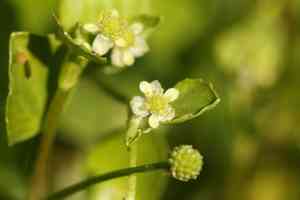
Distinguished by its vibrant yellow blossoms, carter's buttercup thrives with moderate trimming to foster denser development and eliminate faded flowers. The most effective time for pruning is during spring, summer, and autumn, coinciding with its periods of active expansion. Precise timing guarantees robust flowering and deters spindly growth. Consistently thinning congested sections enhances air movement, diminishing the likelihood of ailments. Removing spent blooms across the flowering period improves aesthetics and extends the bloom duration. Always employ sanitized, sharp implements to avert harm and encourage sound regeneration.
What Are the Benefits of Pruning Carter's Buttercup?
What Are the Benefits of Pruning Carter's Buttercup?
Trimming carter's buttercup promotes robust development and helps maintain its form. Consistent cutting encourages vigorous growth, enhances blooming, and manages size, increasing its resistance to pests and diseases. Always use clean, sharp implements to prevent harm.
What Is the Best Time for Pruning Carter's Buttercup?
What Is the Best Time for Pruning Carter's Buttercup?
Pruning or trimming carter's buttercup during Spring, Summer, and Fall is ideal due to the plant's active growth periods in these seasons. Spring pruning helps remove winter damage and stimulates healthy new growth. Summer pruning assists in maintaining the desired shape and improves air circulation, which can prevent disease. Fall pruning prepares the plant for its dormant winter phase, ensuring it remains healthy and strong for the subsequent growing season. Avoiding heavy pruning in Winter is advisable as the plant is inactive, and severe cuts can stress carter's buttercup.
What Tools Do I Need to Prune Carter's Buttercup?
Hand Pruners (Secateurs)
Perfect for snipping small stems and removing spent flowers. Carter's buttercup has relatively small, delicate stems that are easily managed with hand pruners.
Bypass Pruners
Suitable for making clean cuts on living growth without harming the stems. These are excellent for precise pruning and shaping.
Pruning Shears
Useful for cutting through slightly thicker stems if carter's buttercup grows wild. Their sharp blades provide clean cuts, which is crucial to prevent damage.
Pruning Knife
Great for detailed work and removing any small suckers or dead leaves. This tool aids in meticulous trimming and refining the plant's shape.
How to Prune Carter's Buttercup
Inspect
Carefully examine carter's buttercup to identify shriveled leaves. Ensure you're only targeting the parts that need removal to avoid damaging healthy foliage.
Sanitize
Disinfect your pruning tools with a solution of 70% isopropyl alcohol or a bleach solution to prevent the spread of disease.
Remove
Using sanitized pruning shears, cut the shriveled leaves at their base, close to the stem, ensuring a clean cut to minimize stress to carter's buttercup.
Dispose
Collect and dispose of the removed shriveled leaves properly. Do not compost if there are any signs of disease to avoid contamination.
Monitor
Regularly monitor carter's buttercup for any new signs of shriveling or disease, and repeat the pruning process as needed to maintain plant health.
Common Pruning Mistakes with Carter's Buttercup
Over-pruning
One of the most frequent errors is removing too much of the plant at once. This can stress carter's buttercup, hindering its growth and potentially causing damage.
Incorrect Technique
Using dull or inappropriate tools can cause jagged cuts, making carter's buttercup more susceptible to infections and diseases.
Pruning at Wrong Growth Stage
Some gardeners mistakenly prune carter's buttercup during its vigorous growth stages, which can disrupt its natural growth cycle and flowering process.
Neglecting Regular Maintenance
Failing to perform light, regular pruning can lead to an overgrown and unhealthy plant, making it tougher to manage later.
Common Pruning Tips for Carter's Buttercup
Use Sharp, Clean Tools
Always ensure your pruning shears or scissors are sharp and clean to make precise cuts, promoting quicker healing and reducing infection risk.
Prune Lightly
Focus on light, regular pruning by removing dead or diseased stems and any foliage that crosses or overcrowds other parts of carter's buttercup. This encourages air circulation and healthy growth.
Cut at an Angle
Make your cuts at a 45-degree angle. This technique allows water to run off the cut, minimizing the chance of rot developing on carter's buttercup.
Monitor Plant's Health
Regularly check carter's buttercup for any signs of disease or pest infestation. Promptly addressing these issues will maintain overall plant health and minimize the need for extensive pruning.



