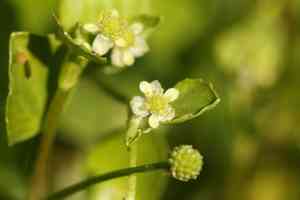
Carter's buttercup (Ranunculus bonariensis)
Also known as: Glabrous Buttercup, Buenos Aires Buttercup
The Marsh Marigold, known for its bright yellow blooms and shiny green foliage, flourishes in wet, sun-drenched areas. This plant stands out with its vivid flowers contrasting against lush greenery. Its robust nature enables it to thrive in diverse soil conditions, showcasing its adaptability to various environments.
In This Article
Attributes of Carter's buttercup
Lifespan
Annual
Plant Type
Herb
Plant Height
20-60 cm
Spread
N/A
Leaf Color
Green
Flower Size
2-3 cm
Flower Color
Bright Yellow
Images of Carter's buttercup

Quickly Identify Carter's buttercup
1
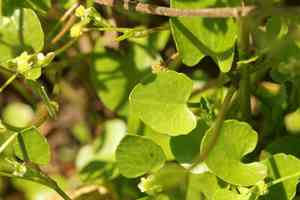
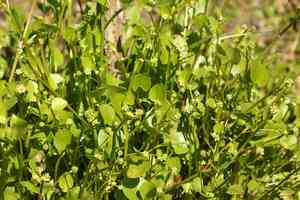
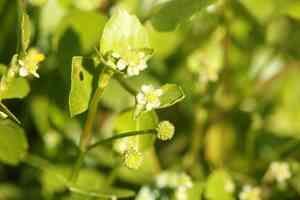
Look for the distinctive bright yellow flowers with a shiny, almost waxy appearance and lobed leaves. The plant typically has multiple stems and can be identified by its glabrous (smooth) nature.
Scientific Classification of Carter's buttercup
Phylum
Vascular plants
Class
Dicotyledons
Order
Ranunculales
Family
Buttercup
Genus
Ranunculus
Species
Carter's buttercup
Planting and Growing of Carter's buttercup
Care Difficulty
Easy
Watering Schedule
Every 4 days
Sunlight Requirements
Partial sun
Sunshine Duration
4-8 hours
Ideal Temperature
60-75℉
Soil Type
Potting Mix, Peat Mix
Soil pH
6.5-7.5
Fertilizer Type
Balanced
Pruning Season
Spring, Summer
Pruning Area
Branches, Leaves
Pruning Frequency
2 times a year
Repotting Season
Spring
Pot Type
Plastic, Ceramic
 How to Water Carter's buttercup?
For Ranunculus bonariensis, the watering should be substantial enough to keep the soil consistently moist but not soggy. Aim to provide about 250 mL of water per session. This ensures that the roots have sufficient hydration without sitting in waterlogged conditions, which can be detrimental to the plant’s health.
What are the symptoms of an underwatered Carter's buttercup?
›
What should I do if my Carter's buttercup is not getting enough water?
›
What are the symptoms of an overwatered Carter's buttercup?
›
How to save an overwatered Carter's buttercup?
›
 What Are the Sunlight Requirements for Carter's buttercup?
For Ranunculus bonariensis, a mix of partial to full sun provides optimal growth, encouraging vigorous bloom and healthy foliage. Ideal lighting ensures efficient photosynthesis, leading to vigorous plant health and resilience.
How much sunlight does Ranunculus bonariensis need daily?
›
What are the best solutions for achieving ideal light conditions?
›
What are the benefits of achieving ideal light conditions?
›
 What Is the Ideal Temperature Range for Carter's buttercup?
The ideal temperature range for Ranunculus bonariensis lies between 60°F to 75°F. Maintaining this temperature range promotes optimal growth conditions, ensuring that the plant thrives by facilitating healthy root and leaf development. This range mimics the plant's natural habitat conditions, offering it an environment conducive to thriving and blooming.
 What Soil is Best for Carter's buttercup?
Ranunculus bonariensis thrives in nutrient-rich soil, which provides essential minerals and compounds for growth. Such soil ensures vibrant blooms and robust vegetative growth. Good drainage is crucial to prevent root rot. Ranunculus bonariensis needs soil that allows excess water to escape quickly, keeping roots healthy and aerated. While needing good drainage, the soil should also retain some moisture. This balance supports consistent hydration without waterlogging, essential for Ranunculus bonariensis.
 How to Fertilize Carter's buttercup?
For Ranunculus bonariensis, a balanced approach to fertilization is key. When using liquid fertilizer, mix 1 teaspoon of balanced 10-10-10 fertilizer per 1 gallon of water. For slow-release granular fertilizers, apply at a rate of 1 tablespoon per plant. This ensures steady nourishment without overwhelming the plant.
 How to Prune Carter's buttercup?
Begin by removing any dead or wilted flowers to encourage the plant to focus its energy on new blooms. Use sharp, clean shears to make clean cuts just above a leaf node or bud. This method not only revitalizes Ranunculus bonariensis but also ensures a longer flowering period.
More About Pruning Techniques→
 How to Propagate Carter's buttercup plant?
1
Harvest seeds from mature Ranunculus bonariensis flowers when they start to dry out. Store them in a cool, dry place until you are ready to plant.
2
Select a healthy stem and use sharp pruners to make a clean cut. Remove the leaves from the lower half and dip the cut end in rooting hormone to encourage growth.
3
Dig out the plant carefully, ensuring to keep the root ball intact. Gently separate the units and replant them in new locations with appropriate spacing.
 How to Repot Carter's buttercup plant?
1
Repotting Ranunculus bonariensis requires attention to signs like roots growing through drainage holes, soil compactness, or stunted growth. These indicators suggest the plant is ready for a new, more spacious container, typically needed annually.
2
Select a pot slightly larger than the current one, with proper drainage holes to prevent waterlogging. A size increment ensures root growth while drainage holes help maintain soil aeration, essential for healthy root development.
3
Choose a well-draining and rich soil mix to support this plant's growth. Such soil prevents water accumulation, reducing the risk of root rot, while providing essential nutrients that promote robust growth and vibrant flowering.
Toxicity
Ingestion and skin contact
WARNING
The judgment on toxicity and danger is for reference only. We DO NOT GUARANTEE any accuracy of such judgment. Therefore, you SHALL NOT rely on such judgment. It is IMPORTANT TO SEEK PROFESSIONAL ADVICE in advance when necessary.
Learn More About Carter's buttercup Diseases
Anthracnose
Bacterial Leaf Spot
Bacterial Soft Rot
Bacterial Wilt
Black Spot
Chemical Injury
Crown Gall
Cyst Nematode
Damping-off
Downy Mildew
Drought Stress
Fusarium Wilt
Gray Mold
Leaf Curl
Leaf Spot
Mosaic
Nutrient Deficiency
Nutrient Toxicity
Powdery Mildew
Root Rot
Root-knot Nematode
Rusts
Sooty Mold
Spider Mites
Temperature Stress
Thrips Damage
White Mold



