How to Prune Saltwater bush?
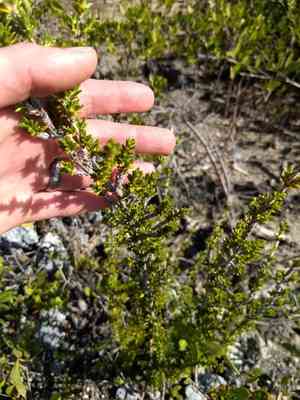
Atriplex is a resilient woody plant recognized for flourishing in littoral habitats. To preserve its vigorous development and structure, trimming ought to be carried out in the initial part of spring. Concentrate on excising deceased or compromised limbs, reducing dense sections, and fostering air movement. This period corresponds with the plant's developmental rhythm, encouraging strong vitality and a more complete look. Trimming Atriplex boosts its resistance to infestations and ailments, guaranteeing a shapely, robust shrub throughout the cultivation period.
What Are the Benefits of Pruning Saltwater Bush?
What Are the Benefits of Pruning Saltwater Bush?
Trimming saltwater bush encourages robust development and helps maintain its form. By eliminating dead or overgrown limbs, it improves the plant's overall vitality and look. Furthermore, regular trimming can deter pest and disease infestations.
What Is the Best Time for Pruning Saltwater Bush?
What Is the Best Time for Pruning Saltwater Bush?
Trimming saltwater bush in early spring, just before new growth begins, allows the plant to recover quickly and focus its energy on producing strong new shoots. It minimizes the chance of disease and pest issues, as most pathogens are less active then. Additionally, early spring pruning helps avoid removing flower buds that emerge later in the season, ensuring saltwater bush can bloom fully. Seasonal factors like milder temperatures and increased moisture also support healthy recovery and growth after pruning.
What Tools Do I Need to Prune Saltwater Bush?
Bypass Pruners
Perfect for making clean cuts on living stems and branches, which helps prevent damage and illness.
Loppers
Useful for cutting thicker branches that bypass pruners cannot handle. Their long handles provide leverage.
Hand Saw
Crucial for removing larger, more mature branches. A folding hand saw can be convenient for precise cuts.
Pole Pruner
Helps reach and trim higher branches without needing a ladder, ensuring safety and efficiency.
Pruning Shears
Useful for detailed tasks, such as shaping and removing dead or diseased smaller branches.
How to Prune Saltwater Bush
Identify issues
Carefully examine saltwater bush for any indications of diseased leaves, withered foliage, dead branches, and infected branches. It's crucial to pinpoint all plant parts needing attention before beginning to prune.
Collect tools
Gather appropriate tools for trimming, such as sanitized pruning shears, bypass loppers, and a disinfectant. Ensuring tools are clean prevents disease spread.
Remove diseased leaves
Start by removing any diseased leaves. Cut them at the base using pruning shears, making sure to dispose of them properly to prevent disease transmission.
Trim withered leaves
Next, trim away the withered leaves similarly by cutting at the base. Removing these helps redirect the plantâs energy to healthy growth.
Cut dead diseased branches
Finally, focus on cutting dead and diseased branches. Use bypass loppers for thicker branches and make clean cuts just above a healthy node or branch junction to encourage proper healing.
Common Pruning Mistakes with Saltwater Bush
Over-pruning
Excessive removal of foliage can stress saltwater bush, leading to poor growth and reduced flowering.
Incorrect technique
Using dull or contaminated tools can damage the plant tissue and increase the risk of disease.
Wrong timing within the year
Pruning at the wrong time can interfere with the plant's natural growth cycle, leading to weak shoots and less robust foliage.
Neglecting cleanup
Leaving debris and cut stems around the base can attract pests and promote diseases.
Ignoring plant structure
Failing to consider the natural shape and growth pattern of saltwater bush can result in an unbalanced or unsightly appearance.
Common Pruning Tips for Saltwater Bush
Use sharp and clean tools
Always ensure your pruning shears are sharp and disinfected to make clean cuts and reduce the risk of infection.
Follow natural shape
Prune saltwater bush in a way that maintains its natural form and promotes even growth, ensuring good air circulation and light penetration.
Remove dead or diseased wood first
Begin by cutting away any dead, damaged, or diseased branches to maintain the plant's health.
Prune selectively
Focus on thinning rather than sheer cutting to ensure sunlight and air can reach all parts of saltwater bush, promoting healthier growth.
Sure pruning cuts are at the correct angle
Cuts should be made at a 45-degree angle above a bud facing outward, which helps the plant heal more efficiently and directs new growth outward.



