How to Propagate Saltwater bush?
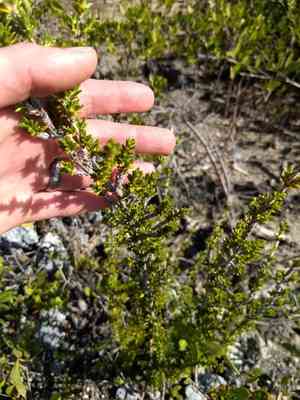
Atriplex is a robust botanical specimen recognized for flourishing in high-salt conditions. To achieve successful propagation, collect semi-lignified cuttings from vigorous specimens, making certain each possesses a minimum of two internodes. Immerse the severed tip in a rooting stimulant to encourage development, then position it in a substrate that drains efficiently. Sustain uniform hydration and offer diffused illumination until a root system forms. This approach guarantees a significant rate of success in generating new plants.
What Is the Best Time To Propagate Saltwater Bush?
Propagation Type
Cutting
Propagation Season
Spring,Summer
What Tools Are Used in Saltwater Bush Propagation?
Pruning Shears
Utilized for making accurate cuts on the parent plant to acquire robust stems. Pruning shears guarantee clean cuts, minimizing harm and lowering disease risk.
Rooting Hormone
Aids in stimulating root growth in cuttings. Dipping cutting ends in rooting hormone significantly boosts the likelihood of root formation.
Propagation Trays
Employed to hold and maintain cuttings in an optimal setting. Propagation trays offer good drainage and air circulation, crucial for preventing rot and fostering healthy root development.
Humidity Dome
Covers propagation trays to maintain elevated humidity levels. Humidity domes establish a controlled environment, reducing water loss and stress for cuttings during root development.
Sterile Scissors
Used for precise trimming of leaves and more delicate tasks. Helps prevent introducing pathogens to cuttings, ensuring a sterile state vital for successful propagation.
Sterile Potting Mix
A specially formulated soil medium for propagating cuttings. Ensures a contaminant-free medium with the correct balance of moisture and aeration, essential for root growth.
Heat Mat
Delivers consistent bottom warmth to encourage rooting. A heat mat ensures cuttings have a warm substrate, which can accelerate root formation and growth.
How to Propagate Saltwater Bush?
Propagation Type
Moderately Difficult
How to Care for Your Newly Propagated Saltwater Bush?
How to Care for Your Newly Propagated Saltwater Bush?
Post-transplant, irrigate saltwater bush regularly to keep the soil consistently moist but not waterlogged. Provide them with full to partial sun and well-draining soil. Apply mulch around the base to retain moisture and suppress weeds. Fertilize lightly during the growing season with a balanced fertilizer to encourage robust growth. Prune as needed to maintain shape and remove any dead or damaged branches.
Common Mistakes to Avoid When Propagating Saltwater Bush
Overwatering
Excessive moisture can lead to root rot, hindering successful propagation.
Improper Soil Mix
Using a nutrient-rich or moisture-retentive soil can suffocate seeds or cuttings.
Insufficient Light
Low light conditions can prevent cuttings from rooting or seeds from germinating effectively.
Ignoring Salinity
Failing to mimic the natural saline environment can stress the plant and result in propagation failure.
Neglecting Humidity
Dry, arid conditions can decrease the chances of successful root or seed development.
Incorrect Cutting Technique
Damaging the stem or employing inappropriate cutting methods can introduce infections and impede propagation.
Tips For Propagating Saltwater Bush
Moderate Watering
Ensure balanced moisture levels to prevent root rot, keeping soil damp but not saturated.
Well-Draining Soil
Utilize sandy or loamy soil that drains effectively and mimics saltwater bush's natural habitat.
Adequate Light
Provide bright, indirect sunlight to encourage healthy rooting and development.
Saline Conditions
Incorporate a moderate amount of salt in the soil or water to replicate natural conditions.
Maintain Humidity
Keep the surrounding environment moderately humid to support the plant's initial growth phase.
Clean Cuttings
Use sterilized tools and make precise cuts to promote healthy and successful rooting.



