How to Prune Smoketree?
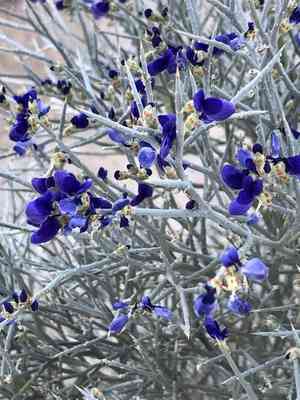
Distinguished by its violet-blue blossoms, the smoketree thrives with judicious trimming. During winter, sever any deceased or excessively long branches to preserve its form and foster robust development. Make precise cuts to avert illness. Pruning while the plant is dormant reduces strain and encourages lush spring leaves. Annually removing one-third of mature growth revitalizes the smoketree and boosts its flowering. Trimming not only encourages blooms but also deters pests and ailments by enhancing air movement.
What Are the Benefits of Pruning Smoketree?
What Are the Benefits of Pruning Smoketree?
Trimming smoketree promotes vigorous development and maintains its desired form. Strategic cuts foster a healthier structure, allowing sunlight to reach inner branches, thus encouraging robust growth. Regular pruning also helps to sculpt the plant's silhouette for aesthetic appeal and landscape fit.
What Is the Best Time for Pruning Smoketree?
What Is the Best Time for Pruning Smoketree?
The optimal time to prune smoketree is in late winter, just before the start of spring growth. This period is preferred as it allows gardeners to easily identify and remove damaged or diseased branches, which are more visible when the plant is dormant. Pruning during this time also minimizes stress on smoketree and supports vigorous spring growth. Furthermore, since smoketree has completed its annual growth cycle and is not actively growing, there is less risk of sap loss, which can attract pests. Late winter pruning ensures that any cuts have time to heal before the growth season, reducing the likelihood of disease infection. Additionally, pruning after the last frost helps avoid frost damage to new cuts. It is important to avoid pruning smoketree in early winter, as the plant may not yet be fully dormant, and early pruning can stimulate new growth that may be damaged by cold temperatures.
What Tools Do I Need to Prune Smoketree?
Bypass Pruners
Perfect for making clean cuts on smaller stems and branches of smoketree, ensuring rapid healing.
Lopping Shears
These possess long handles that provide the leverage needed to cut through smoketree's thicker branches, which are too robust for bypass pruners.
Pruning Saw
For the largest branches of smoketree, a pruning saw can make precise cuts without harming the plant's structure.
Pole Pruner
If smoketree is tall and you need to reach higher branches, a pole pruner can be utilized to prune without requiring a ladder.
Gloves and Protective Gear
Given the thorny nature of smoketree, wearing gloves and protective clothing is essential to prevent injury while pruning.
How to Prune Smoketree
Clean tools
Sanitize pruning shears and saws with a solution of one-part bleach to nine parts water to prevent the spread of diseases during the trimming process.
Inspect plant
Examine smoketree to identify dead and diseased branches. Dead branches typically appear dry, brittle, and lack foliage, while diseased branches may exhibit discoloration, unusual growths, or signs of insect infestation.
Remove dead branches
Carefully remove dead branches by cutting them at the point where they meet healthy wood. Make the cut at a slight angle to facilitate water runoff and promote healing.
Remove diseased branches
Prune diseased branches by cutting well below the affected area to ensure the complete removal of diseased tissue. Disinfect shears after each cut to prevent spreading pathogens.
Dispose waste
Properly dispose of all removed material by burning or placing in a tightly sealed bag to prevent the potential spread of diseases or pests to other plants.
Common Pruning Mistakes with Smoketree
Overpruning
Excessively cutting back smoketree can not only diminish its natural shape, but also hinder its ability to produce flowers. The plant's resilience requires only minimal trimming.
Improper cut locations
Cutting smoketree in the wrong places, such as non-branching areas or too close to the trunk, can result in uneven growth and make the plant vulnerable to diseases.
Using dull tools
Employing blunt pruning tools can damage the branches of smoketree by crushing rather than making clean cuts, leading to potential infection sites.
Pruning while wet
Trimming smoketree when it is wet can easily spread diseases between plants if the tools are not sterilized between cuts.
Neglecting tool sanitization
Without regular sanitation of pruning tools, there's a risk of spreading pathogens to smoketree, potentially leading to disease issues.
Common Pruning Tips for Smoketree
Minimal intervention
As smoketree is adapted to harsh environments and grows slowly, it requires less pruning than other species. It's important to retain its natural shape and only remove growth that is dead, diseased, or damaged.
Selective pruning
Focus on selective thinning of smoketree to remove interior branches that are crossing or rubbing against each other to maintain good air circulation.
Clean cuts
Ensure that pruning cuts are clean and at a slight angle away from the buds on smoketree, leaving no stubs behind which could impede new growth or invite disease.
Tool sharpness
Always use sharp, clean pruning tools for smoketree to make precise cuts that heal quickly, reducing the chance of disease.
Branch collars
When removing larger branches from smoketree, make cuts outside the branch collar to promote proper healing and avoid cutting into the trunk, which can cause extensive damage.



