How to Prune Fremont's dalea?
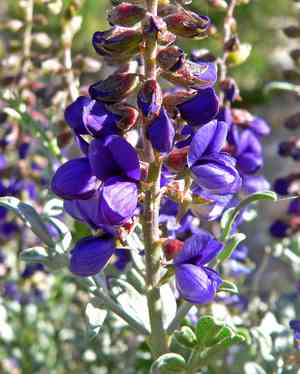
Originating from dry regions, fremont's dalea is a robust bush recognized by its bluish-gray leaves and vivid blossoms. The most effective trimming should take place in late winter to early spring, right before fresh shoots emerge. Trimming entails excising deceased or impaired limbs and molding the plant to foster more robust, denser development. This schedule enables fremont's dalea to recover swiftly, lessening strain and maximizing its flowering capacity. Consistent trimming also improves air movement, lowering the likelihood of illness.
What Are the Benefits of Pruning Fremont's Dalea?
What Are the Benefits of Pruning Fremont's Dalea?
Trimming fremont's dalea promotes robust development and maintains its desired form. Regular cutting aids in eliminating unhealthy sections, fostering stronger, healthier growth and preserving its attractive appearance.
What Is the Best Time for Pruning Fremont's Dalea?
What Is the Best Time for Pruning Fremont's Dalea?
Pruning fremont's dalea in late winter or early spring is considered ideal as it coincides with the plant's dormant phase, reducing stress. This timing assists in removing any frost-damaged limbs and prepares the plant for new spring growth. It also ensures the plant remains healthy and vigorous, contributing to better flowering in subsequent seasons. Furthermore, pruning before new growth begins allows the plant to reallocate energy to developing strong, new structures, enhancing both its aesthetic appeal and physiological well-being.
What Tools Do I Need to Prune Fremont's Dalea?
Hand Pruners
Perfect for precise cuts on young or small branches of fremont's dalea, hand pruners deliver clean cuts without harming plant tissues. Choose bypass pruners over anvil-style for healthier pruning results.
Lopping Shears
Since fremont's dalea can develop thicker branches as it matures, lopping shears are recommended for branches too thick for hand pruners. These offer greater leverage and can handle branch diameters up to 1.5 inches.
Pruning Saw
Useful for the thickest branches of fremont's dalea, a pruning saw can manage branches over 1.5 inches in diameter. This allows for more extensive shaping and maintenance without overworking smaller tools.
How to Prune Fremont's Dalea
Identify
Examine fremont's dalea thoroughly to locate diseased leaves, withered foliage, dead branches, and unhealthy limbs. Look for any signs of discoloration, wilting, or unusual growth patterns indicating unhealthy parts.
Sanitize
Before pruning, disinfect your tools with a solution of 1 part bleach to 9 parts water to prevent disease spread. Ensure tools are sharp for clean cuts.
Prune leaves
Carefully remove any diseased or withered leaves from fremont's dalea by cutting them at the base of the leaf stem. Use precise pruners for this task to avoid damaging healthy sections of the plant.
Prune branches
Trim dead and diseased branches from fremont's dalea by making cuts at a 45-degree angle, about 1/4 inch above an outward-facing bud. This promotes healthier growth and a pleasing plant shape.
Cleanup
Properly dispose of all removed plant material to prevent reinfection or pest issues. Do not compost diseased plant parts; instead, seal them in a bag and discard with household waste.
Common Pruning Mistakes with Fremont's Dalea
Over-pruning
Removing too much of the plant at once can stress fremont's dalea, leading to reduced blooms, weaker growth, and potential dieback.
Improper Cutting Technique
Using dull or unsuitable tools can result in jagged cuts, increasing the risk of disease and pest infestation.
Pruning at Wrong Nodes
Cutting too far from a node or making random cuts can impede new growth and make the plant look unattractive.
Pruning Too Early in Plant Life
Pruning fremont's dalea too early in its development can hinder its growth and limit its natural form.
Common Pruning Tips for Fremont's Dalea
Use Sharp and Clean Tools
Always use well-maintained pruners to make clean cuts. This minimizes damage and helps prevent disease spread.
Make Cuts at Correct Angles
Make cuts at a slight angle just above a leaf node or bud to encourage healthy new growth and maintain the plant's natural shape.
Remove Dead or Damaged Wood First
Begin by removing any dead, damaged, or diseased branches to improve airflow and overall plant health before making other selective cuts.
Thin Out Dense Areas
Reduce overcrowding by selectively pruning branches to open up the canopy. This promotes better light penetration and air circulation.
Be Patient with New Plants
Allow young plants to establish themselves before heavy pruning. Focus on removing only dead or weak branches initially.



