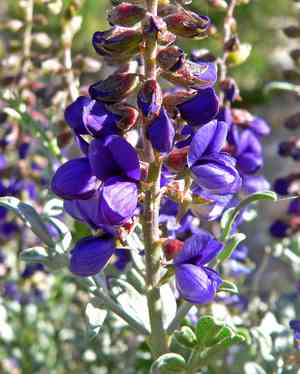
Fremont's dalea (Psorothamnus fremontii)
Also known as: Indigo Bush
Frémont's dalea or Frémont's indigo bush, named after John C. Frémont, is a perennial legume shrub known botanically as *Psorothamnus fremontii*.
In This Article
Attributes of Fremont's dalea
Lifespan
Perennial
Plant Type
Shrub
Plant Height
3-5 feet (0.9-1.5 meters)
Spread
3-5 feet (0.9-1.5 meters)
Leaf Color
Green
Flower Size
0.5-1 inch (1.3-2.5 cm)
Flower Color
Purple-blue
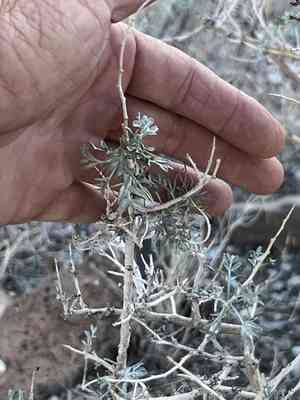
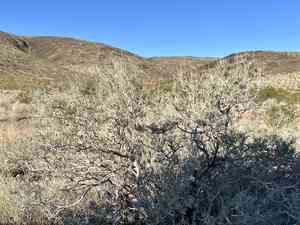
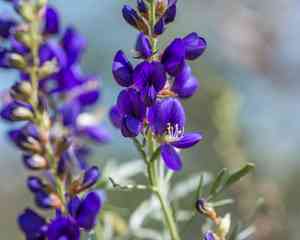
Images of Fremont's dalea
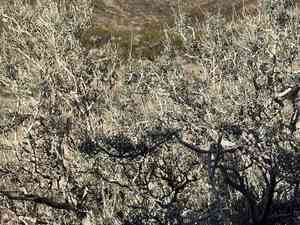
Quickly Identify Fremont's dalea
1
Identify by its dense clusters of bright purple-blue flowers and pinnate leaves. The shrub has a spiky appearance due to its fine branches.
Scientific Classification of Fremont's dalea
Phylum
Vascular plants
Class
Dicotyledons
Order
Fabales
Family
Legume
Genus
Indigo bush
Species
Fremont's dalea
Planting and Growing of Fremont's dalea
Care Difficulty
Easy
Watering Schedule
Every day
Sunlight Requirements
Full sun
Sunshine Duration
6-10 hours
Ideal Temperature
60-80℉
Soil Type
Potting Mix, Peat Mix
Soil pH
6.5-7.5
Fertilizer Type
Balanced
Pruning Season
Spring, Summer
Pruning Area
Branches, Leaves
Pruning Frequency
2 times a year
Repotting Season
Spring
Pot Type
Plastic, Ceramic
 How to Water Fremont's dalea?
When it comes to watering Psorothamnus fremontii, the key is to mimic the sparse rainfall of its native desert habitat. Ensure the soil is drenched thoroughly, allowing water to reach the deeper roots, but let the soil dry out completely between waterings.
What are the symptoms of an underwatered Fremont's dalea?
›
What should I do if my Fremont's dalea is not getting enough water?
›
What are the symptoms of an overwatered Fremont's dalea?
›
How to save an overwatered Fremont's dalea?
›
 What Are the Sunlight Requirements for Fremont's dalea?
Full sun exposure is ideal, ensuring Psorothamnus fremontii gets the maximum possible light. This condition enables excellent growth and vibrant flowering due to optimal photosynthetic activity.
What is the best lighting condition for Psorothamnus fremontii?
›
How can I achieve the ideal light conditions?
›
What benefits does the ideal lighting provide?
›
 What Is the Ideal Temperature Range for Fremont's dalea?
What is the ideal temperature range for Psorothamnus fremontii? The ideal temperature range for this plant is between 60°F and 80°F. In this range, the plant can photosynthesize effectively and maintain efficient water and nutrient uptake processes.
 What Soil is Best for Fremont's dalea?
Psorothamnus fremontii thrives in well-drained soil because it prevents water from pooling around the roots, which could otherwise lead to root rot. This mimics its natural sandy desert habitat where quick drainage is essential. It's essential that the soil mimics desert-like conditions, meaning coarse and gritty textures that aid in rapid drainage. This composition supports the plant in replicating its native environment where it has evolved to handle dry, poor nutrient soils. The plant requires soil with low organic matter as it is adapted to survive in nutrient-poor conditions. High organic matter can retain too much moisture and provide more nutrients than Psorothamnus fremontii needs, potentially stressing its natural growth patterns.
 How to Fertilize Fremont's dalea?
For Psorothamnus fremontii, it is essential to apply fertilizers in moderation. For liquid fertilizer, mix it at half the recommended strength, ensuring the nutrients are not too concentrated, which could harm the plant. When using slow-release fertilizers, apply a light dusting around the base of each plant, taking special care not to cover the root zone too heavily, as this species can be sensitive to excessive nutrient load.
 How to Prune Fremont's dalea?
Start by identifying and removing any dead or diseased branches to prevent the spread of infection. Follow up by trimming back any overly long branches to maintain a tidy shape. Ensure to use clean, sharp pruning shears to create clean cuts which promote proper healing. Aim to maintain an open center structure to allow sunlight to penetrate deep into the shrub, enhancing overall health and flowering potential.
More About Pruning Techniques→
 How to Propagate Fremont's dalea plant?
1
Harvest seeds from mature Psorothamnus fremontii plants. Select only healthy seeds that are free from disease and damage to ensure successful germination.
2
Fill seed starting pots with potting soil. Make sure the soil is evenly moistened but not waterlogged, as this helps in better seed germination.
3
Scatter the seeds evenly over the soil surface. Cover them lightly with a thin layer of soil and gently water them to encourage germination.
 How to Repot Fremont's dalea plant?
1
Psorothamnus fremontii shows it needs repotting when roots start poking out of drainage holes or the soil stays wet too long. Repotting in spring or summer ensures the plant can recover quickly and grow actively in warm conditions.
2
Select a pot that is one to two sizes larger than the current one with adequate drainage holes. A larger pot allows for root expansion, reducing stress on the plant and preventing waterlogging, which can harm its root system.
3
Opt for a sandy, well-draining soil mix to mimic its natural desert habitat. This prevents root rot by allowing excess water to drain away rapidly, keeping roots dry and healthy, and facilitates strong growth.
Learn More About Fremont's dalea Diseases
Anthracnose
Bacterial Leaf Spot
Bacterial Wilt
Chemical Injury
Crown Gall
Cyst Nematode
Damping-off
Downy Mildew
Drought Stress
Fusarium Wilt
Gray Mold
Leaf Spot
Mosaic
Nutrient Deficiency
Nutrient Toxicity
Powdery Mildew
Root Rot
Root-knot Nematode
Rusts
Sooty Mold
Spider Mites
Temperature Stress
Thrips Damage
White Mold



