How to Prune Pink cudweed?
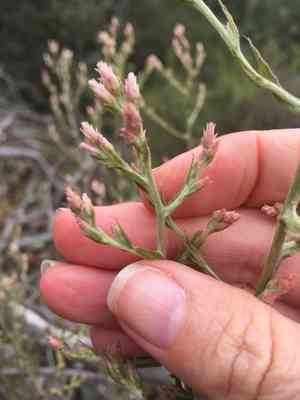
Pink cudweed displays compact groupings of pink-hued blossoms atop fuzzy stalks. Trim pink cudweed in the initial part of spring or the latter part of winter to foster robust development and a tidy look. Eliminate any lifeless or injured stems, and thin out congested sections to enhance air movement. Performing pruning during these ideal periods coincides with pink cudweed's inactive phase, aiding its recuperation. Consistent trimming stimulates abundant flowering and sustains a dense structure, crucial for the garden's visual charm.
What Are the Benefits of Pruning Pink Cudweed?
What Are the Benefits of Pruning Pink Cudweed?
Pink cudweed benefits from trimming to maintain its form and encourage robust development. Regular trimming helps manage its size, promotes denser foliage, and reduces the chance of pest infestations, leading to a healthier and more attractive plant.
What Is the Best Time for Pruning Pink Cudweed?
What Is the Best Time for Pruning Pink Cudweed?
Pink cudweed should be trimmed or cut in early spring and late winter to align with its natural growth cycle. Pruning during these seasons is ideal because it ensures the plant's health and promotes strong growth. During late winter, the plant is dormant and can recover quickly from pruning without significant stress. Early spring pruning removes dead or weak growth before the growing season begins, which helps in promoting strong new shoots and ensures better air circulation and sunlight penetration, enhancing the overall vitality and aesthetic appeal of pink cudweed.
What Tools Do I Need to Prune Pink Cudweed?
Bypass Pruners
Bypass pruners are perfect for clean cuts on live stems and branches of pink cudweed, minimizing harm and encouraging healthy regrowth.
Pruning Shears
Pruning shears can be utilized for trimming smaller stems and tidying up the plant, making them crucial for maintaining the shape of pink cudweed.
Hand Pruning Saw
For thicker, woodier stems of pink cudweed, a hand pruning saw is effective in making precise cuts without crushing the plant tissue.
How to Prune Pink Cudweed
Assess condition
Examine the plant closely to identify any diseased or withered leaves. Look for discoloration, spots, or signs of decay.
Sanitize tools
Ensure your pruning shears or scissors are clean and sharp to prevent the spread of disease. Sanitize them with rubbing alcohol before use.
Remove diseased leaves
Carefully cut away any diseased leaves first. Make the cuts close to the base of the leaf stem without damaging the main stems or healthy parts of the plant.
Trim withered leaves
Trim off withered leaves by cutting them back to the nearest healthy part of the plant. Ensure no remnants of dead tissue are left.
Dispose pruned material
Dispose of all pruned materials properly to prevent any potential spread of disease. Do not compost diseased leaves; discard them in the trash.
Common Pruning Mistakes with Pink Cudweed
Improper technique
Using dull or dirty pruning tools can cause damage to pink cudweed's stems, increasing the risk of disease and infection.
Over-pruning
Removing too much foliage and stems at once can weaken pink cudweed, potentially inhibiting regrowth and flowering.
Incorrect cuts
Making cuts too close to the main stem or at improper angles can prevent proper healing and lead to increased susceptibility to pests and diseases.
Neglecting to remove dead material
Failing to prune away dead or diseased parts of pink cudweed can lead to the spread of disease and hinder healthy growth.
Common Pruning Tips for Pink Cudweed
Selective pruning
Focus on removing only dead, damaged, or diseased stems. For shaping, gradually prune small amounts to maintain pink cudweed's natural form.
Clean tools
Use sharp, sanitized pruning shears to make clean cuts, reducing the risk of transmitting diseases to pink cudweed.
Correct cutting technique
Make clean cuts just above a node or main stem, at a slight angle, to promote quick healing and minimize damage.
Promote air circulation
Thin out crowded stems to improve air circulation within pink cudweed, which can help prevent fungal infections and ensure better overall health.


