How to Prune White cudweed?
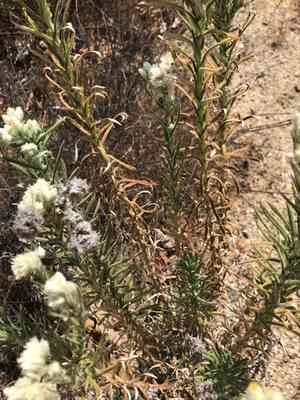
Gnaphalium candidissimum features distinctive silver-hued foliage and diminutive, aggregated white blossoms. The most suitable periods for trimming are late winter and early spring, coinciding with its developmental phase. Cut away any deceased or compromised stalks to foster vigorous development and sculpt the plant's form. Eliminating faded blooms can encourage additional flowering. Pruning improves air circulation, thereby lowering the likelihood of disease and promoting a sturdier framework, which is vital for preserving its aesthetic value. Consult reputable horticultural manuals for exact methodologies.
What Are the Benefits of Pruning White Cudweed?
What Are the Benefits of Pruning White Cudweed?
Trimming white cudweed promotes vigorous growth and helps maintain its desired form. By cutting back overgrown or damaged parts, gardeners ensure healthier new shoots and a more pleasing look. Regular trimming also aids in reducing pest and disease risks.
What Is the Best Time for Pruning White Cudweed?
What Is the Best Time for Pruning White Cudweed?
Pruning white cudweed in late winter or early spring is advantageous as the plant is dormant or nearly dormant, minimizing stress and disease risk. This timing allows for quick healing once the growing season starts, encouraging strong new growth. Pruning before new growth begins enables better shaping and promotes healthy flowering in the upcoming season.
What Tools Do I Need to Prune White Cudweed?
Hand Pruners
Perfect for making accurate cuts on smaller stems and branches. White cudweed typically has delicate stems best managed with hand pruners.
Pruning Shears
Useful for removing dead or damaged foliage without harming the plant's overall structure. They offer more control for shaping the plant.
Bypass Pruners
These pruners create clean cuts, vital for preventing disease and encouraging healthy regrowth. Suitable for the softer stems of white cudweed.
Snips
Ideal for trimming smaller, tender shoots and for deadheading. White cudweed often requires gentle handling, which snips provide.
How to Prune White Cudweed
Inspection
Carefully check white cudweed for any signs of diseased or withered leaves. Ensure good lighting to avoid missing any spots.
Preparation
Clean and sterilize your pruning tools before use to prevent disease spread. This step is crucial for white cudweed's overall health.
Removal
Using sharp pruning shears, carefully trim away any diseased leaves. Cut slightly below the affected area to ensure complete removal and prevent disease spread.
Disposal
Properly dispose of diseased or withered leaves by burning or placing them in a sealed bag. This helps prevent disease from spreading to other parts of white cudweed or nearby plants.
Cleanup
After pruning, clean your tools again and wash your hands thoroughly. This final step helps ensure white cudweed remains healthy and vibrant.
Common Pruning Mistakes with White Cudweed
Over-pruning
Removing too much of the plant at once can stress white cudweed, leading to stunted growth or reduced flowering. It's crucial to prune conservatively, especially if unsure about the plant's growth response.
Incorrect cuts
Using improper techniques, such as making blunt or ragged cuts instead of clean, angled ones, can lead to infection or dieback. Always use sharp, sterilized tools.
Pruning at the wrong time
While not focusing on optimal seasonal timing here, pruning during extremes of weather (very hot or very cold) can shock the plant and hinder recovery. Moderate conditions are generally safer.
Ignoring health upkeep
Failing to check white cudweed for diseases or pests before pruning can spread infections throughout the plant. Inspect for health issues beforehand to prevent exacerbation.
Cutting back too far
Severe cuts into old wood can damage white cudweed, as it tends to produce new growth from newer, green stems rather than older, woody sections. Avoid drastic cuts into old growth.
Common Pruning Tips for White Cudweed
Use sharp tools
Ensure all pruning tools are sharp and clean to make precise cuts. This promotes faster healing and reduces the risk of disease transmission.
Focus on health and shape
Remove dead, diseased, or damaged stems first to improve plant health. Then, thin out crowded areas to allow light and air to penetrate, promoting a healthier structure.
Make angled cuts
Always make cuts at a slight angle to prevent water from sitting on the cut surface, which can lead to rot. Angled cuts also facilitate better healing.
Implement gradual trimming
Prune gradually over the season rather than all at once. Taking small amounts each time allows white cudweed to adjust and reduces shock.
Preserve new growth
Prioritize keeping newer, healthier stems to encourage robust growth. New stems will support the plant's future development and flowering.


