How to Prune Barrigon kapoktree?
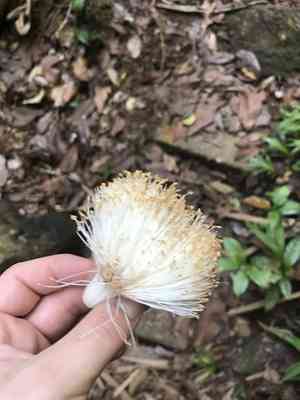
Recognized for its robust trunk and extended limbs, barrigon kapoktree thrives with trimming performed in early spring or late winter. Initially remove any deceased or ailing branches, then address any intersecting or excessively dense boughs to preserve its form. Consistent trimming fosters vigorous development and blooming. To prevent the loss of sap, execute precise cuts and refrain from excessive pruning. Appropriate timing and methodology improve the plant's inherent shape and durability.
What Are the Benefits of Pruning Barrigon Kapoktree?
What Are the Benefits of Pruning Barrigon Kapoktree?
Barrigon kapoktree benefits from trimming to encourage robust growth and maintain its form, ensuring vitality, managing size, enhancing appearance, and increasing resistance to pests and diseases.
What Is the Best Time for Pruning Barrigon Kapoktree?
What Is the Best Time for Pruning Barrigon Kapoktree?
Trimming barrigon kapoktree during late winter and early spring is optimal as the plant is dormant, which minimizes stress and lowers disease risk. This timing also helps shape the plant before its active growth period, ensuring healthy development throughout the growing season. Since barrigon kapoktree is known for its unique trunk and large blooms, pruning before the active growth phase promotes better flowering and overall plant health.
What Tools Do I Need to Prune Barrigon Kapoktree?
Hand Pruners
Hand pruners are perfect for making clean cuts on small branches and stems of barrigon kapoktree. Opt for bypass pruners for superior results as they create precise cuts, aiding faster plant recovery.
Loppers
Loppers offer greater leverage and are suitable for cutting thicker branches, typically up to 2 inches in diameter. They are essential for shaping the structure of barrigon kapoktree and removing larger, more robust branches.
Pruning Saw
A pruning saw is necessary for larger branches that are too thick for loppers. These saws make accurate cuts and prevent tearing, which is vital for the health of barrigon kapoktree.
Pole Pruner
Given the potential height of barrigon kapoktree, a pole pruner allows access to high branches without a ladder. This tool ensures safety and efficiency for trimming taller parts of the plant.
How to Prune Barrigon Kapoktree
Inspect
Carefully examine barrigon kapoktree to identify any dead or diseased branches. Look for branches that are discolored, show signs of decay, or lack foliage.
Clean Tools
Before cutting, sterilize pruning tools with a solution of one part bleach to nine parts water, to prevent the spread of disease.
Remove Dead Branches
Use sharp pruning shears to cut back dead branches. Make clean cuts just above the healthy part of the branch to encourage proper healing.
Remove Diseased Branches
Cut back diseased branches well below the affected area to ensure complete removal of disease. Dispose of these branches away from the garden to prevent contamination.
Dispose Properly
Gather and dispose of all pruned material properly. Never compost diseased branches to avoid spreading the disease to other plants.
Common Pruning Mistakes with Barrigon Kapoktree
Improper technique
One common mistake is using improper cutting techniques, such as making jagged cuts or using dull tools. This can cause damage to the plant and make it vulnerable to disease.
Incorrect timing
A frequent error is pruning at the wrong time, which can interfere with the plant's natural growth cycle and stress barrigon kapoktree.
Excessive pruning
Over-pruning is another mistake, where too much foliage is removed, potentially leading to poor growth and reduced flowering.
Not understanding plant structure
Failing to understand the growth habit and structure of barrigon kapoktree often results in cutting the wrong branches, which can hinder its shape and growth.
Common Pruning Tips for Barrigon Kapoktree
Use sharp tools
Always use clean, sharp pruning shears to make precise cuts and minimize damage to the plant.
Cut at the right spots
Make cuts just above a bud or at the branch collar to ensure healthy regrowth and avoid leaving stubs.
Assess and plan
Before starting, assess the plant's shape and structure. Plan your cuts to improve airflow and sunlight penetration, which promotes healthier growth.
Remove diseased branches first
Prioritize removing any diseased, dead, or damaged branches to prevent the spread of disease and encourage new growth.
Start small
For novice gardeners, it's advisable to start with minor pruning to build confidence. Remove only a small amount at a time, no more than 10-20% of the foliage.
Consider the plant's natural shape
Aim to maintain barrigon kapoktree's natural shape and avoid heavy reshaping, which can stress the plant.



