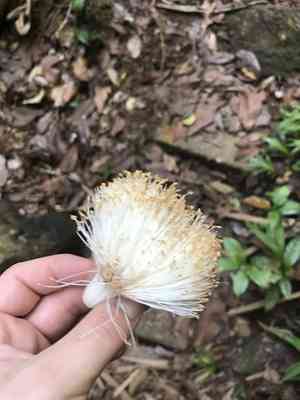
Barrigon kapoktree (Pseudobombax septenatum)
Also known as: Palo de Horqueta, Algodón de Monte
Barrigon kapoktree is a deciduous tree with a bulbous trunk, which stores water for survival in dry habitats. Its large palmate leaves cluster at branch tips, resembling hands reaching skywards. During certain seasons, the tree becomes leafless, showcasing a brilliant display of white to pink flowers, which are vital for attracting pollinators.
In This Article
Attributes of Barrigon kapoktree
Lifespan
Perennial
Plant Type
Tree
Plant Height
Up to 25 meters
Spread
Approximately 10 - 15 meters
Leaf Color
Green
Flower Size
Approximately 10 - 15 cm
Flower Color
Pink to red
Images of Barrigon kapoktree
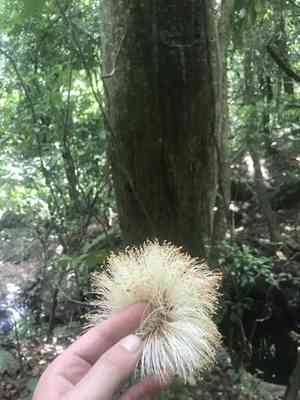
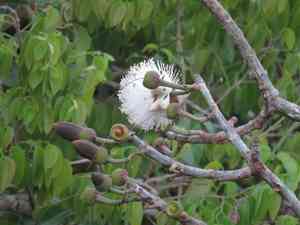
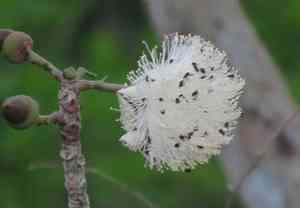
Quickly Identify Barrigon kapoktree
1
The tree can be recognized by its swollen greenish trunk that stores water, compound leaves with 7 to 9 leaflets, and striking pink or red flowers that appear when the tree is leafless.
Scientific Classification of Barrigon kapoktree
Phylum
Vascular plants
Class
Dicotyledons
Order
Malvales
Family
Mallow
Genus
Pseudobombax
Species
Barrigon kapoktree
Planting and Growing of Barrigon kapoktree
Care Difficulty
Moderate
Watering Schedule
Every 2 days
Sunlight Requirements
Partial sun
Sunshine Duration
4-6 hours
Ideal Temperature
70-85℉
Soil Type
Potting Mix, Peat Mix
Soil pH
6.5-7.5
Fertilizer Type
Balanced
Pruning Season
Spring, Summer
Pruning Area
Branches, Leaves
Pruning Frequency
2 times a year
Repotting Season
Spring
Pot Type
Plastic, Ceramic
 How to Water Barrigon kapoktree?
For Pseudobombax septenatum, it's best to water until the soil is thoroughly moist but not soggy. Generally, about 500 milliliters should suffice for a medium-sized pot. The key is to ensure that water reaches the root zone without leaving excess pooling on the surface. Use this guideline to provide consistent hydration, mimicking its natural tropical environment.
What are the symptoms of an underwatered Barrigon kapoktree?
›
What should I do if my Barrigon kapoktree is not getting enough water?
›
What are the symptoms of an overwatered Barrigon kapoktree?
›
How to save an overwatered Barrigon kapoktree?
›
 What Are the Sunlight Requirements for Barrigon kapoktree?
Partial sun, with 4 to 6 hours of light, is ideal. This range provides the balance needed for optimal photosynthesis without the risk of light stress, promoting healthy leaf development and growth.
What are the ideal lighting conditions for Pseudobombax septenatum?
›
How can you ensure these ideal light conditions?
›
What benefits does Pseudobombax septenatum receive from ideal lighting?
›
 What Is the Ideal Temperature Range for Barrigon kapoktree?
For the optimal growth of Pseudobombax septenatum, temperatures should ideally range between 70°F and 85°F. This range provides the necessary warmth this tropical plant requires for photosynthesis and metabolic activities. Maintaining this temperature range helps ensure robust growth, healthy foliage, and the development of vibrant flowers.
 What Soil is Best for Barrigon kapoktree?
Pseudobombax septenatum requires soil that drains well to prevent root rot. Well-drained soil allows excess water to escape, keeping the roots healthy and promoting vigorous growth. This plant thrives in nutrient-rich substrates that provide essential minerals and organic matter, crucial for its blooming and overall vitality. A fertile soil base ensures robust foliage and vibrant floral displays. While drainage is vital, the soil should still retain some moisture between watering. This balance helps maintain the plant's hydration without oversaturating, essential for maintaining its lush appearance.
 How to Fertilize Barrigon kapoktree?
For Pseudobombax septenatum, it is recommended to use a balanced fertilizer with an NPK ratio of 10-10-10. Liquid fertilizers should be applied at a concentration of 1/4 of the recommended strength to prevent root burn and encourage steady growth. Apply approximately 200-300 ml for smaller plants and up to 500 ml for larger ones.
 How to Prune Barrigon kapoktree?
Start by identifying dead or damaged branches, which should be your first targets for removal. Use sharp pruning shears to make clean cuts, preserving the overall shape of the tree. Aim to maintain an open canopy to allow sunlight penetration, which promotes healthy growth and a pleasing structure. Pseudobombax septenatum often requires shaping to maintain its signature silhouette. Focus on maintaining the natural umbrella shape by evenly reducing branches that extend beyond the desired outline. This enhances the tree's aesthetic while ensuring light and air circulation through the branches.
More About Pruning Techniques→
 How to Propagate Barrigon kapoktree plant?
1
To propagate Pseudobombax septenatum from seeds, begin by collecting mature seeds from the plant. Look for seeds that are firm, plump, and free from any signs of disease.
2
For cutting propagation, select a healthy stem and cut a 15-20 cm section below a node. Be sure to use sterilized pruning shears to prevent the transmission of pathogens.
3
Place the seeds or cuttings into moist, well-draining soil and keep them in a shaded area. Monitor the moisture levels consistently and ensure they receive indirect sunlight.
 How to Repot Barrigon kapoktree plant?
1
Pseudobombax septenatum typically signals its need for repotting when you notice roots poking out of drainage holes or when the plant's growth becomes stunted despite regular care. It's best to repot during the active growing seasons, such as spring or summer, when the plant is most resilient and can recover quickly from root disturbances.
2
When choosing the right pot for Pseudobombax septenatum, consider a container that is slightly larger than the current one, ideally with good drainage to prevent waterlogging. Terra cotta pots are often preferred as they allow breathability. The right pot ensures root health and minimizes the risk of root rot, promoting robust plant growth.
3
Opt for a well-draining potting mix, rich in organic matter with added perlite or sand to enhance aeration. This type of soil allows excess water to escape easily, reducing the risk of root rot and supporting healthy root system development. The light and porous nature of this soil ensures that the plant’s roots receive essential oxygen and nutrients.
Toxicity
Ingestion, Skin contact
WARNING
The judgment on toxicity and danger is for reference only. We DO NOT GUARANTEE any accuracy of such judgment. Therefore, you SHALL NOT rely on such judgment. It is IMPORTANT TO SEEK PROFESSIONAL ADVICE in advance when necessary.
Learn More About Barrigon kapoktree Diseases
Anthracnose
Bacterial Leaf Spot
Bacterial Wilt
Crown Gall
Damping-off
Downy Mildew
Drought Stress
Fusarium Wilt
Gray Mold
Leaf Curl
Leaf Spot
Mosaic
Nutrient Deficiency
Nutrient Toxicity
Powdery Mildew
Root Rot
Root-knot Nematode
Rusts
Sooty Mold
Spider Mites
Temperature Stress
Thrips Damage
White Mold



