How to Prune Pseuderanthemum praecox?
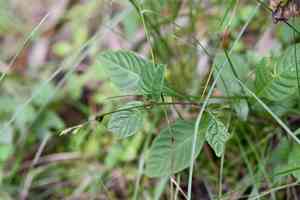
Pseuderanthemum praecox showcases vivid leaves and blossoms, establishing it as a beloved garden specimen. Trim in late winter or early spring to foster robust development and preserve its form. Eliminating deceased or ailing branches and shortening excessively long stems guarantees improved air movement and light exposure. This stimulates energetic growth and deters insect problems. Trimming elevates the plant's visual charm and amplifies blooming, making pseuderanthemum praecox a prominent feature in any garden arrangement.
Advantages of Trimming Pseuderanthemum Praecox
Advantages of Trimming Pseuderanthemum Praecox
Pseuderanthemum praecox thrives with trimming, promoting robust growth and maintaining its form. This practice stimulates fresh, healthy development, boosts blooming, and prevents the plant from becoming leggy or overgrown. Furthermore, it aids in pest and disease resistance.
Optimal Timing for Pruning Pseuderanthemum Praecox
Optimal Timing for Pruning Pseuderanthemum Praecox
Trimming in early spring and late winter is ideal for pseuderanthemum praecox, as it precedes the active growth period. This timing allows the plant to recover quickly from cuts and encourages vigorous new development. Additionally, pruning before growth begins reduces plant stress and contributes to a healthier structure. Pruning during these periods also avoids disrupting the main flowering season, ensuring the plant remains visually appealing while maintaining its overall health.
Essential Tools for Pruning Pseuderanthemum Praecox
Bypass Pruning Shears
Perfect for making clean cuts on living stems and branches, crucial for precise trimming of pseuderanthemum praecox without causing harm.
Loppers
Useful for cutting thicker branches. Pseuderanthemum praecox may develop larger stems that require the leverage and cutting power of loppers.
Pruning Saw
Necessary for handling very thick branches or stems. While pseuderanthemum praecox may not always need this, it's beneficial for older, established plants.
Hedge Shears
Recommended for shaping and maintaining the overall appearance of pseuderanthemum praecox. These are especially helpful for trimming multiple stems simultaneously.
Hand Pruners
For small, detailed cuts, particularly when you need to deadhead or remove minor sections of pseuderanthemum praecox.
How to Prune Pseuderanthemum Praecox
Inspection
Carefully examine pseuderanthemum praecox for any indications of diseased or withered foliage. Identify areas requiring trimming to keep the plant healthy.
Sanitize
Disinfect pruning tools with rubbing alcohol or a bleach solution to prevent the spread of disease from one part of pseuderanthemum praecox to another.
Trim diseased leaves
Use clean, sharp pruners to remove diseased leaves. Make cuts close to the stem to ensure all affected tissues are eliminated.
Trim withered leaves
Remove any withered leaves by cutting them at their base where they connect to stems or branches. Ensure you only cut the dead or dying parts to prevent unnecessary damage.
Dispose properly
Discard all trimmed parts, including diseased and withered leaves, in a sealed bag to prevent spreading disease back to pseuderanthemum praecox or other plants.
Common Pruning Errors with Pseuderanthemum Praecox
Over-pruning
Removing too much foliage at once can shock pseuderanthemum praecox, leading to stunted growth and reduced flowering.
Improper cuts
Making jagged or uneven cuts can create entry points for pests and diseases, compromising the plantâs health.
Ignoring deadwood
Failing to remove dead or dying branches can hinder new growth and increase the risk of disease.
Cutting at the wrong node
Pruning just above an inward-pointing node instead of an outward-pointing one can cause inward growth, making the plant appear sparse.
General Pruning Advice for Pseuderanthemum Praecox
Use sharp, clean tools
Ensure pruning shears or scissors are sharp and sterilized to make clean cuts and prevent the spread of pathogens.
Focus on shape
Pseuderanthemum praecox benefits from subtle shaping to encourage a tidy form and better air circulation, which reduces disease risk.
Remove dead and diseased wood first
Start by cutting away any dead or diseased branches to promote healthy growth and direct energy to thriving parts of the plant.
Make cuts at an angle
Cut branches at a 45-degree angle just above a node to encourage outward growth and ensure water runoff.
Prune back to healthy tissue
When cutting diseased branches, ensure to prune back to healthy wood to fully remove pathogens.



