
Pseuderanthemum praecox (Pseuderanthemum praecox)
Also known as: False Eranthemum, Early Pseuderanthemum
The plant you're referring to is likely **Pseuderanthemum praecox**, a tropical perennial known for its velvety leaves and striking purple or white blooms. It flourishes in well-drained soils with partial shade and grows upright, forming a bushy shape. The leaves often have a quilted texture and can showcase various patterns and colors, enhancing its ornamental value. Its unique flower shape is also attractive to pollinators, making it a popular choice for gardens.
In This Article
Attributes of Pseuderanthemum praecox
Lifespan
Perennial
Plant Type
Herb
Plant Height
0.5 to 1.5 meters
Spread
0.5 to 1 meters
Leaf Color
Dark green, sometimes with purple or red markings
Flower Size
2 to 3 cm
Flower Color
Purple with white or pink highlights
Images of Pseuderanthemum praecox

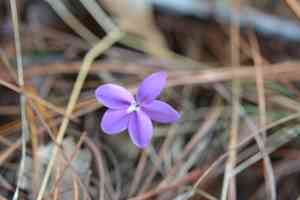

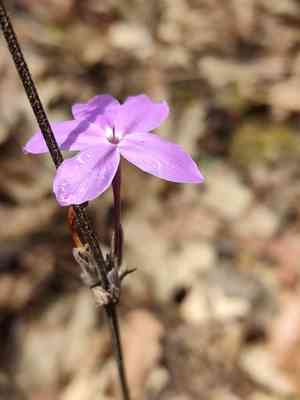
Quickly Identify Pseuderanthemum praecox
1
Look for its lance-shaped, dark green leaves and bright, tubular flowers that are typically purple with white or pink highlights. The plant also tends to form a compact, bushy shape.
Scientific Classification of Pseuderanthemum praecox
Phylum
Vascular plants
Class
Dicotyledons
Order
Lamiales
Family
Acanthus
Genus
Pseuderanthemum
Species
Pseuderanthemum praecox
Planting and Growing of Pseuderanthemum praecox
Care Difficulty
Easy
Watering Schedule
Every 3 days
Sunlight Requirements
Partial sun
Sunshine Duration
4-8 hours
Ideal Temperature
65-75℉
Soil Type
Potting Mix, Peat Mix
Soil pH
6.5-7.5
Fertilizer Type
Balanced
Pruning Season
Spring, Summer
Pruning Area
Branches, Leaves
Pruning Frequency
2 times a year
Repotting Season
Spring
Pot Type
Plastic, Terracotta
 How to Water Pseuderanthemum praecox?
For Pseuderanthemum praecox, ensure the soil is evenly moist but not saturated. Water until approximately 250 ml has seeped down, maintaining moisture consistency. This amount allows water to reach the root zone without oversaturating plant soil.
What are the symptoms of an underwatered Pseuderanthemum praecox?
›
What should I do if my Pseuderanthemum praecox is not getting enough water?
›
What are the symptoms of an overwatered Pseuderanthemum praecox?
›
How to save an overwatered Pseuderanthemum praecox?
›
 What Are the Sunlight Requirements for Pseuderanthemum praecox?
Partial sun with periods of full sun suits Pseuderanthemum praecox best, enabling healthy leaf coloration and robust growth through effective photosynthesis and nutrient uptake.
How much light does it need?
›
Can it tolerate full sunlight?
›
What are the benefits of ideal lighting?
›
 What Is the Ideal Temperature Range for Pseuderanthemum praecox?
The ideal temperature range for Pseuderanthemum praecox is between 65°F and 75°F, providing optimal conditions for photosynthesis and growth. In this range, the plant can thrive, producing vibrant foliage and robust growth. It is important to maintain these temperatures consistently to ensure the plant's health and well-being.
 What Soil is Best for Pseuderanthemum praecox?
Pseuderanthemum praecox thrives in well-drained soils that prevent root rot by facilitating proper water runoff. Ensuring drainage is crucial as it helps prevent waterlogging and potential root disease, thus promoting healthy growth. This plant flourishes in nutrient-rich soils that provide key elements like nitrogen, phosphorus, and potassium. These nutrients are vital for robust foliage and vibrant flowering, enhancing the overall aesthetic appeal of the plant. While not waterlogged, the soil should retain adequate moisture to keep the plant hydrated. Consistent moisture supports sustained growth and prevents stress during dry spells, ensuring the plant remains lush.
 How to Fertilize Pseuderanthemum praecox?
For Pseuderanthemum praecox, applying a balanced liquid fertilizer that is diluted to half strength is appropriate. This ensures the plant receives the necessary nutrients without overwhelming its roots. A typical amount might be around a quarter to a half liter depending on the size of the plant.
 How to Prune Pseuderanthemum praecox?
Start by identifying the main stems of the plant and using sharp, sterilized pruning shears, carefully cut back any leggy or overgrown branches. It is essential to prune just above a leaf node to encourage new growth. Remove any dead or diseased stems immediately to prevent spread. A balanced shape allows for optimal light absorption and enhances the plant's ornamental appeal.
More About Pruning Techniques→
 How to Propagate Pseuderanthemum praecox plant?
1
Choose vigorous, healthy shoots from the parent plant that are free from disease and pest. Ideally, select semi-hardwood stems as they have the best chance of rooting and developing into healthy plants. Ensure that the selected cutting includes several nodes, as these are key points for root development.
2
Using clean, sterilized pruning shears, make precise cuts at an angle just below a node. Remove any leaves from the lower third of the cutting to focus energy on root development and minimize water loss. Dipping the cut end into rooting hormone can enhance the chances of successful propagation.
3
Once prepared, plant the cuttings in a well-draining propagation mix or perlite. Ensure only the lower node is buried and the soil is moist but not waterlogged. Keep the cuttings in a warm, humid environment, ideally under a propagator or in a greenhouse, to facilitate root growth.
 How to Repot Pseuderanthemum praecox plant?
1
Look for signs that your Pseuderanthemum praecox needs repotting, such as roots emerging from drainage holes, slow growth, or soil that dries out quickly. These indicate that the plant may be root-bound or lacking nutrients.
2
Select a pot that's one size larger with excellent drainage. A well-sized pot promotes root expansion and prevents waterlogging, reducing the risk of root rot while enabling healthy growth.
3
Opt for a well-draining, rich mix that retains moisture but also allows excess water to pass through. This balance ensures that roots receive adequate hydration without drowning, promoting robust plant health.



