How to Prune Snow cinquefoil?
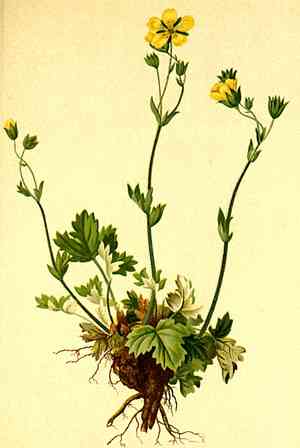
Potentilla nivea, known for its compact, white-blossomed nature, thrives with trimming in late winter or early spring. Essential methods involve excising deceased or injured stalks, reducing dense sections, and gently shaping to preserve its form. Cut directly above robust buds or leaf junctions to stimulate dense development. This improves air movement and light exposure, lowering the chance of illness and fostering abundant blooms. Always employ sanitized, sharp implements to avert contamination.
What Are the Benefits of Pruning Snow Cinquefoil?
What Are the Benefits of Pruning Snow Cinquefoil?
Snow cinquefoil thrives with trimming, maintaining its form and promoting robust development, enhancing blooms, and managing its dimensions. Furthermore, pruning boosts its resistance to pests and diseases, ensuring a strong and attractive specimen.
What Is the Best Time for Pruning Snow Cinquefoil?
What Is the Best Time for Pruning Snow Cinquefoil?
Trimming snow cinquefoil in early spring or late winter is optimal as it coincides with the plant's dormant phase. Pruning before new spring growth minimizes disruption to the plant's energy reserves and encourages more vigorous, healthy development during its active season. Additionally, this timing allows for easier shaping and removal of diseased or damaged branches before the growth period begins.
What Tools Do I Need to Prune Snow Cinquefoil?
Bypass Pruners
Perfect for making clean, accurate cuts on the slender, woody stems characteristic of snow cinquefoil. They facilitate easy removal of dead or damaged stems without crushing plant tissue.
Lopping Shears
Useful for severing thicker stems that may develop over time. Their extended handles provide the necessary leverage for tougher cuts.
Hedge Shears
Effective for trimming and shaping the overall appearance of snow cinquefoil. They can be used to create a compact form by cutting back new growth to maintain desired size and shape.
Pruning Saw
Required for occasional removal of larger, woody branches. While snow cinquefoil generally doesnât need extensive pruning, a small pruning saw can be beneficial.
How to Prune Snow Cinquefoil
Preparation
Ensure your pruning tools are sharp and clean to prevent disease transmission.
Inspection
Carefully examine snow cinquefoil for any diseased or withered foliage. Identifying these problematic areas is essential.
Removal of diseased leaves
Cut back any diseased leaves close to the stem, avoiding healthy tissue. Dispose of these leaves away from the garden to prevent further spread of contamination.
Removal of withered leaves
Trim away withered leaves by cutting them back to the nearest healthy leaf junction or the plant's base. This helps snow cinquefoil direct energy to healthier parts.
Clean-up
Gather all pruned material and dispose of it properly. Sanitize your tools with a disinfectant to prevent the spread of pathogens to other plants.
Common Pruning Mistakes with Snow Cinquefoil
Incorrect Technique
Using unsuitable tools or cutting at an improper angle can cause harm or increase vulnerability to disease.
Excessive Pruning
Over-trimming can stress snow cinquefoil, leading to weak growth and reduced flowering.
Neglecting Deadwood
Failure to remove dead or diseased wood can hinder growth and spread illness.
Pruning at the Wrong Location
Cutting too close to the ground or an incorrect part of the stem can impede regrowth.
Common Pruning Tips for Snow Cinquefoil
Proper Tools
Utilize sharp, clean pruning shears for precise cuts and to prevent disease transmission.
Moderation
Practice conservative pruning by removing no more than one-third of the plant to maintain its vigor.
Remove Dead or Diseased Wood
Regularly cut out dead or diseased branches to promote healthy growth and prevent the spread of pathogens.
Strategic Cuts
Make cuts just above a leaf node or bud to encourage new growth and maintain an aesthetically pleasing form.



