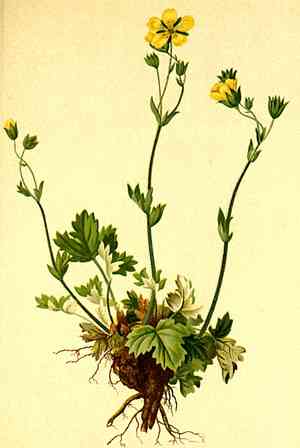
Snow cinquefoil (Potentilla nivea)
Also known as: None
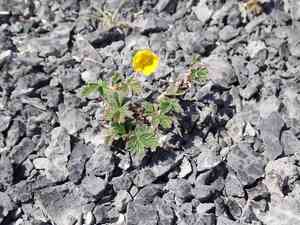
Potentilla micrantha features a slender, short stem densely covered with fine hairs, reaching up to around 10 cm in height and lacking runners. This small, perennial herb is characterized by its hairy, silky texture and absence of stolons, with a robust base. The leaves are compound, usually with three elliptical leaflets that have numerous serrations along the edges. These gray-green leaflets are hairy on both sides.
In This Article
Attributes of Snow cinquefoil
Lifespan
Perennial
Plant Type
Herb
Plant Height
0 mm to 30 cm
Spread
Spreading habit, making dense mats up to 30 cm wide
Leaf Color
Green
Flower Size
1-2 cm
Flower Color
Yellow
Images of Snow cinquefoil
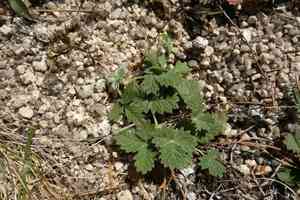
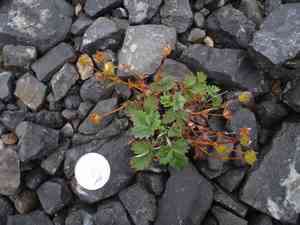
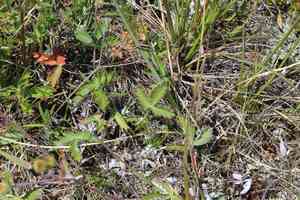
Quickly Identify Snow cinquefoil
1
The plant can be identified by its low-growing, mat-forming habit, trifoliate leaves with whitish hair on the underside, and small yellow flowers with five petals.
Scientific Classification of Snow cinquefoil
Phylum
Vascular plants
Class
Dicotyledons
Order
Rosales
Family
Rose
Genus
Cinquefoils
Species
Snow cinquefoil
Planting and Growing of Snow cinquefoil
Care Difficulty
Easy
Watering Schedule
Every 2 days
Sunlight Requirements
Full sun
Sunshine Duration
6-10 hours
Ideal Temperature
50-68℉
Soil Type
Potting Mix, Peat Mix
Soil pH
6.5-7.5
Fertilizer Type
Balanced
Pruning Season
Spring, Summer
Pruning Area
Branches, Leaves
Pruning Frequency
2 times a year
Repotting Season
Spring
Pot Type
Plastic, Ceramic
 How to Water Snow cinquefoil?
Potentilla nivea requires a measured approach to watering. Approximately 150 milliliters per session is ideal. Ensure the soil is moist but not waterlogged, as this plant thrives in drier conditions typical of alpine environments.
What are the symptoms of an underwatered Snow cinquefoil?
›
What should I do if my Snow cinquefoil is not getting enough water?
›
What are the symptoms of an overwatered Snow cinquefoil?
›
How to save an overwatered Snow cinquefoil?
›
 What Are the Sunlight Requirements for Snow cinquefoil?
Potentilla nivea flourishes in full to partial sunlight, benefiting from six to eight hours of bright light daily. Under these conditions, it achieves optimal blooming and vigorous, healthy growth, maximizing its natural aesthetic appeal.
What are the perfect lighting conditions for Potentilla nivea?
›
What solutions can achieve ideal lighting for Potentilla nivea?
›
What benefits does ideal lighting offer to Potentilla nivea?
›
 What Is the Ideal Temperature Range for Snow cinquefoil?
The ideal temperature range for Potentilla nivea is between 50°F and 68°F. This range supports optimal metabolic activity and growth. Within this temperature window, the plant can photosynthesize efficiently, facilitating healthy growth and development.
 What Soil is Best for Snow cinquefoil?
Potentilla nivea thrives in well-drained soil. This requirement ensures that water doesn't stagnate around the roots, preventing root rot and promoting healthy growth and vibrant foliage. While Potentilla nivea is quite adaptable, it benefits from nutrient-rich soil which can support its growth. Adding organic matter like compost can enhance soil fertility, resulting in more robust plant development. Potentilla nivea prefers soil that maintains moderate moisture without staying waterlogged. Ensuring such conditions helps the plant avoid stress and encourages lush foliage.
 How to Fertilize Snow cinquefoil?
For Potentilla nivea, a balanced approach to fertilization is essential. Use a dilute liquid fertilizer with an N-P-K ratio of about 10-10-10, applying a maximum of 1/4 teaspoon per gallon of water during the growing season. Avoid over-fertilizing, which can damage the roots and impede growth.
 How to Prune Snow cinquefoil?
Begin by removing any dead, diseased, or broken branches. This not only improves appearance but also helps in preventing the spread of diseases within the plant. Trim back overgrown branches to maintain a compact and bushy shape. Focus on promoting lateral growth rather than height to encourage a full-bodied appearance. Cutting back older shoots during spring encourages new growth and flowering. Focus on areas where the plant looks sparse to stimulate new buds and foliage.
More About Pruning Techniques→
 How to Propagate Snow cinquefoil plant?
1
Start by soaking the Potentilla nivea seeds in water for 24 hours. This process helps in softening the seed coat, increasing the chances of successful germination by allowing moisture penetration.
2
Select a healthy stem from the parent plant. The cutting should be around 10 cm long and have at least two sets of leaves. Make the cut just below a node using sterilized pruning shears to avoid spreading diseases.
3
This is best done in early spring. Carefully dig up the plant ensuring the roots are intact. Gently separate the roots into smaller sections, ensuring each section has roots attached, and replant immediately.
 How to Repot Snow cinquefoil plant?
1
You'll know it's time to repot Potentilla nivea when roots start emerging from the drainage holes of the pot or the plant shows signs of reduced growth. This typically happens every two to three years. Repotting should be done in either spring or autumn when the plant transitions between growth phases.
2
Select a pot that's slightly larger than the current one, with a diameter increase of 1-2 inches. It should have ample drainage holes to prevent waterlogging, as Potentilla nivea thrives in well-drained conditions. A properly sized pot ensures robust growth by preventing root circling and excess moisture.
3
A well-draining potting mix is essential for Potentilla nivea, which replicates its natural, often rocky habitats. Use a mix that's sandy or contains perlite for added drainage. This ensures roots receive necessary oxygen and reduces the risk of root rot caused by water retention.
Learn More About Snow cinquefoil Diseases
Anthracnose
Bacterial Leaf Spot
Black Spot
Chemical Injury
Crown Gall
Damping-off
Downy Mildew
Drought Stress
Fusarium Wilt
Gray Mold
Leaf Spot
Mosaic
Nutrient Deficiency
Nutrient Toxicity
Powdery Mildew
Root Rot
Root-knot Nematode
Rusts
Sooty Mold
Spider Mites
Temperature Stress
Thrips Damage
White Mold



