How to Prune Newberry's cinquefoil?
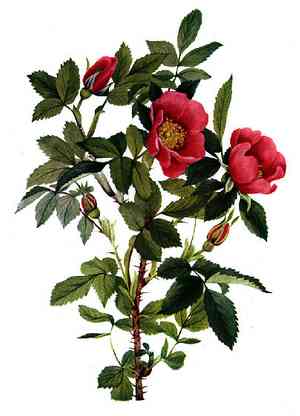
Potentilla newberryi displays brilliant yellow blossoms and flourishes across various environments, ranging from high-altitude to arid mountainous zones. The most effective time for trimming is in early spring or late winter to eliminate deceased or injured stalks, fostering vigorous new development. Refrain from severing into the mature wood, as this can diminish flower production. Periodic thinning every few years enhances air movement and vigor. Strategic and meticulous pruning boosts flowering and the general well-being of potentilla newberryi, proving crucial for sustaining an attractive and flourishing plant.
What Are the Benefits of Pruning Newberry's Cinquefoil?
What Are the Benefits of Pruning Newberry's Cinquefoil?
Trimming newberry's cinquefoil encourages robust development, maintains its form, boosts blooming, and enhances its overall look. Eliminating dead or infected branches increases resistance to pests and illnesses, ensuring a healthy and strong plant.
What Is the Best Time for Pruning Newberry's Cinquefoil?
What Is the Best Time for Pruning Newberry's Cinquefoil?
Newberry's cinquefoil should be trimmed in early spring or late winter to ensure the plant's well-being and optimal development. Pruning during these periods leverages the dormant phase in newberry's cinquefoil's growth cycle, minimizing stress and promoting vigorous, healthy regrowth. Furthermore, this timing helps avoid disruption during the flowering and fruiting stages, allowing the plant to allocate its energy towards producing blossoms and fruits rather than recovering from pruning wounds. According to established horticultural guidelines, early spring pruning also facilitates improved air circulation and lowers disease risk, contributing to the plant's overall vitality.
What Tools Do I Need to Prune Newberry's Cinquefoil?
Hand Pruners (Bypass)
Perfect for making clean cuts on stems and branches up to approximately ¾ inch in diameter. Crucial for maintaining newberry's cinquefoil's shape and removing dead or diseased stems.
Pruning Shears
Suitable for precise cutting and smaller branches or stems. Useful for detailed trimming to enhance newberry's cinquefoil's aesthetic appeal.
Loppers
Offer leverage and cutting power for branches up to 2 inches in diameter. Beneficial for newberry's cinquefoil if it possesses thicker, hard-to-reach stems.
Pruning Saw
Helpful for cutting larger branches that are too thick for hand pruners or loppers. Important for occasional heavy pruning of newberry's cinquefoil.
Disinfecting Solution
Essential for sanitizing tools before and after pruning. Reduces the chance of spreading diseases to newberry's cinquefoil.
How to Prune Newberry's Cinquefoil
Prepare tools
Ensure your pruning shears or scissors are properly sterilized to prevent the spread of disease. Clean with rubbing alcohol or a bleach solution.
Identify parts
Carefully inspect newberry's cinquefoil to identify any diseased or withered leaves that need to be removed. These leaves often look discolored, shriveled, or have spots.
Remove diseased leaves
Using your sterilized pruning tools, cut away the diseased leaves. Make clean cuts close to the base of the leaf stem to remove all affected material.
Remove withered leaves
Trim away any withered leaves by cutting them back to the healthy stem. Avoid tearing or breaking the leaves to prevent further damage to newberry's cinquefoil.
Dispose properly
Dispose of the pruned diseased and withered leaves away from newberry's cinquefoil and your garden area to prevent the spread of disease. Do not add them to your compost pile.
Common Pruning Mistakes with Newberry's Cinquefoil
Over-pruning
Removing too much foliage can stress the plant, hindering its ability to grow properly and reducing its flowering potential.
Incorrect technique
Using dull or inappropriate tools can cause damage to the plant stems, leading to potential plant diseases or poor healing.
Pruning at the wrong time
Pruning during the wrong time can weaken the plant or even stunt its growth. Ensure you know the appropriate time even though itâs not specified here.
Ignoring dead or diseased parts
Failing to remove dead or diseased stems can lead to further infection and spread of disease within the plant.
Common Pruning Tips for Newberry's Cinquefoil
Use sharp, clean tools
Always use sharp and sterilized pruning tools to make clean cuts, reducing the risk of plant diseases.
Focus on thinning
Thinning the plant allows better air circulation and light penetration, promoting healthier growth and reducing pest infestations.
Remove crossing branches
Eliminate any branches that are rubbing against each other to prevent damage and potential entry points for disease.
Cut at a slight angle
When making cuts, always do so at a slight angle to allow water to run off rather than collecting on the cut surface, which helps in preventing rot.
Encourage outward growth
Prune to encourage outward-facing growth, which ensures the plant maintains a desirable shape and receives adequate sunlight.



