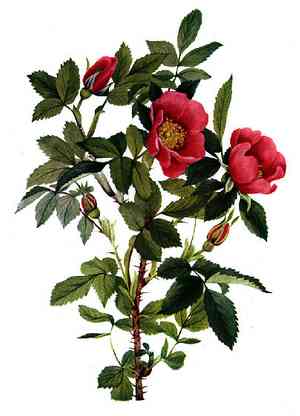
Newberry's cinquefoil (Potentilla newberryi)
Also known as: Newberry's cinquefoil
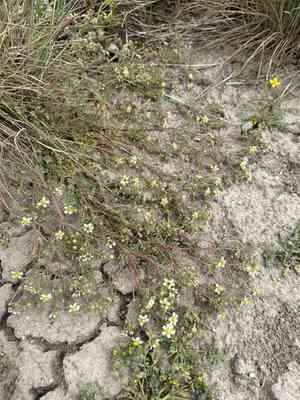
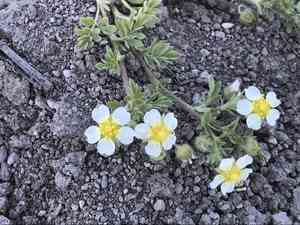
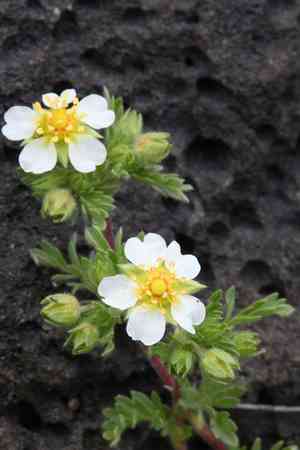
Newberry's cinquefoil (Potentilla newberryi) is a resilient perennial herb known for its mat-forming growth and deeply divided, green leaves. It produces striking yellow flowers with five petals from late spring to early summer, making it easily recognizable. This plant adapts well to different soil types, particularly favoring well-drained, sandy or rocky soils. It prospers in sunny to partially shaded areas, commonly found in open meadows, grasslands, and forest clearings at elevations ranging from 1,500 to 3,000 meters. Its bright blooms attract various pollinators, contributing to the ecosystem's health.
In This Article
Attributes of Newberry's cinquefoil
Lifespan
Perennial
Plant Type
Herb, Shrub
Plant Height
10-40 cm
Spread
N/A
Leaf Color
Green
Flower Size
1-2 cm
Flower Color
Yellow
Images of Newberry's cinquefoil
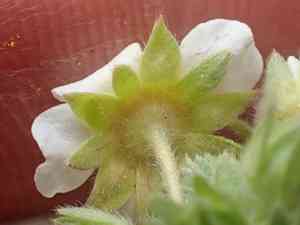
Quickly Identify Newberry's cinquefoil
1
Newberry\'s cinquefoil can be identified by its bright yellow, five-petaled flowers, and compound leaves that typically have 5-7 leaflets with a toothed margin. The plant often grows in clumps and can be found in moist and well-drained soils.
Scientific Classification of Newberry's cinquefoil
Phylum
Vascular plants
Class
Dicotyledons
Order
Rosales
Family
Rose
Genus
Cinquefoils
Species
Newberry's cinquefoil
Planting and Growing of Newberry's cinquefoil
Care Difficulty
Easy
Watering Schedule
Every 2 days
Sunlight Requirements
Full sun
Sunshine Duration
10-12 hours
Ideal Temperature
60-75℉
Soil Type
Potting Mix, Peat Mix
Soil pH
6.5-7.5
Fertilizer Type
Balanced
Pruning Season
Spring, Summer
Pruning Area
Branches, Leaves
Pruning Frequency
2 times a year
Repotting Season
Spring
Pot Type
Plastic, Ceramic
 How to Water Newberry's cinquefoil?
Potentilla newberryi prefers to be watered thoroughly but infrequently. Water until the soil is evenly damp, with approximately 250 ml. Ensure the soil feels moist to the touch but not soggy, to mimic natural rain patterns.
What are the symptoms of an underwatered Newberry's cinquefoil?
›
What should I do if my Newberry's cinquefoil is not getting enough water?
›
What are the symptoms of an overwatered Newberry's cinquefoil?
›
How to save an overwatered Newberry's cinquefoil?
›
 What Are the Sunlight Requirements for Newberry's cinquefoil?
Potentilla newberryi flourishes in full sun to partial sun conditions, ideally bathing in daylight for 4-8 hours daily. This exposure supports optimal flowering and robust plant health.
Question 1: What is the best type of sunlight for Potentilla newberryi?
›
Question 2: How can seasonal variations affect Potentilla newberryi's light needs?
›
Question 3: What are some practical ways to shield Potentilla newberryi from excessive light?
›
 What Is the Ideal Temperature Range for Newberry's cinquefoil?
To ensure optimal growth, Potentilla newberryi thrives best in temperatures ranging from 60°F to 75°F. This range provides the necessary warmth without excessive heat stress, promoting healthy photosynthesis, enzyme function, and overall plant vitality.
 What Soil is Best for Newberry's cinquefoil?
Potentilla newberryi thrives in well-drained soil, preventing waterlogging which can lead to root rot. This type of soil allows excess water to escape quickly, keeping roots dry and healthy. A mix rich in organic matter like decomposed leaves provides essential nutrients. It ensures the plant receives a steady supply of minerals, promoting vigorous growth and vibrant blooms. While drainage is crucial, the soil should still retain some moisture to support sustained plant hydration during dry spells. This balance is key to maintaining plant vitality and preventing drought stress.
 How to Fertilize Newberry's cinquefoil?
Potentilla newberryi, also known as Newberry cinquefoil, typically benefits from moderate fertilization. A balanced fertilizer is recommended, applied at a rate of 1 gallon per 100 square feet. This ensures the plant gets the necessary nutrients without overwhelming it, leading to healthy growth and flowering.
 How to Prune Newberry's cinquefoil?
Start by removing any dead or damaged branches in early spring. Cut back the older, woody stems to stimulate new growth. This rejuvenation not only promotes better flowering but also helps in maintaining the size and shape of the plant. During summer, conduct a lighter pruning session focused on shaping. Trim back any wayward branches to maintain a compact appearance. This keeps the Potentilla primary focus on blooming while ensuring the plant doesn't become unruly.
More About Pruning Techniques→
 How to Propagate Newberry's cinquefoil plant?
1
Sow the seeds thinly on the surface of moist seed-starting mix, and lightly cover them with perlite. Maintain consistent moisture and provide light exposure to encourage germination.
2
Select healthy, non-flowering stems and cut 4-6 inch sections. Remove lower leaves and dip the cut end into rooting hormone powder to enhance root development.
3
In early spring, dig up mature clumps and carefully separate them into smaller sections with a sharp knife, ensuring each section has sufficient roots and shoots for regrowth.
 How to Repot Newberry's cinquefoil plant?
1
Recognizing the right time to repot Potentilla newberryi is crucial. Signs that it needs repotting include roots growing out of the drainage holes, soil drying out too quickly, or slow growth due to nutrient depletion. Spring is ideal because the plant naturally replenishes its growth in this season.
2
Selecting the right pot for your plant involves choosing one that's 1-2 inches larger in diameter than the current pot. This size allows room for expansion without overwhelming the plant, promoting healthier root growth and better stability. Ensure the pot has adequate drainage holes to prevent waterlogging and root rot.
3
Opt for a well-draining compost mix for Potentilla newberryi to prevent moisture-related problems. A mix containing equal parts peat moss, perlite, and potting soil provides the right balance of moisture retention and drainage capability, giving the roots an ideal environment to thrive.
Learn More About Newberry's cinquefoil Diseases
Anthracnose
Bacterial Leaf Spot
Black Spot
Chemical Injury
Crown Gall
Cyst Nematode
Damping-off
Downy Mildew
Drought Stress
Fusarium Wilt
Gray Mold
Leaf Curl
Leaf Spot
Mosaic
Nutrient Deficiency
Nutrient Toxicity
Powdery Mildew
Root Rot
Root-knot Nematode
Rusts
Sooty Mold
Spider Mites
Temperature Stress
Thrips Damage
White Mold



