How to Prune American pondweed?
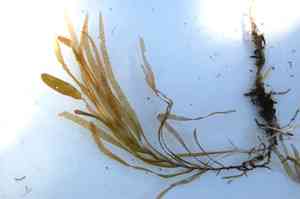
This water-dwelling flora, recognized for its buoyant foliage and submerged stalks, flourishes with periodic trimming. The most effective periods for pruning are during spring and summer, coinciding with its vigorous growth phases. Concentrate on eliminating deceased or deteriorating leaves and shortening excessively long stems to foster robust development. Trimming improves water flow, lessens shade, and averts excessive density. Consistent upkeep aids strong growth and a more pleasing appearance. Verify that instruments are sanitized to avert the spread of pathogens and encourage energetic regeneration.
What Are the Benefits of Pruning American Pondweed?
What Are the Benefits of Pruning American Pondweed?
Trimming american pondweed aids in managing its proliferation, ensuring it stays a manageable size, and fosters robust development. Eliminating dead or ailing sections allows the plant to resist pests and illnesses, ultimately enabling american pondweed to flourish more vigorously and maintain an appealing form.
What Is the Best Time for Pruning American Pondweed?
What Is the Best Time for Pruning American Pondweed?
Spring and summer are optimal for pruning american pondweed as the plant is actively growing, facilitating quick recovery from trimming. Spring pruning encourages healthy new growth as the plant emerges from dormancy, while summer pruning can control excessive growth and maintain its health and appearance. Additionally, cutting back during these active periods ensures the plant has ample time to regenerate before entering dormancy in fall and winter.
What Tools Do I Need to Prune American Pondweed?
Aquatic Pruning Shears
These are specifically designed for use in water environments and can easily cut through american pondweed stems without causing excessive damage.
Long-Handled Cutter
Provides extended reach and improved maneuverability when pruning american pondweed in water, allowing you to trim stems without deep wading.
Aquatic Weed Rake
Perfect for collecting american pondweed cuttings and preventing them from drifting away and potentially re-establishing elsewhere.
How to Prune American Pondweed
Assessment
Thoroughly examine the plant to identify and mark any diseased leaves, withered leaves, and diseased stems that need removal. This ensures you only target necessary parts.
Tools Sterilization
Sanitize your pruning tools (such as scissors or shears) with rubbing alcohol to prevent the spread of disease to healthy plant sections.
Removal Diseased Leaves
Carefully snip off diseased leaves at their base. Make sure to cut as close to the stem as possible without harming it.
Removal Withered Leaves
Remove withered leaves by cutting them at their base. This not only improves the plant's look but also boosts its overall health by directing nutrients to vibrant foliage.
Removal Diseased Stems
Cut diseased stems at least an inch below the affected area to ensure complete removal. Dispose of all trimmed parts away from the growing area to prevent disease recurrence.
Common Pruning Mistakes with American Pondweed
Over-pruning
Removing too much foliage at once can stress american pondweed, hindering growth and weakening the plant.
Improper Technique
Using dull or dirty tools can cause damage and introduce infections. Always use sharp, clean pruning shears.
Timing
Pruning at the wrong time, such as during peak growth periods, can hinder development and flowering.
Neglecting Dead or Diseased Parts
Failing to remove dead or diseased sections can allow the problem to spread, compromising the plant's overall health.
Common Pruning Tips for American Pondweed
Start Small
For new gardeners, begin with minimal cuts to observe how american pondweed responds. Gradual pruning helps prevent over-pruning.
Use Proper Tools
Always use sharp, sterile pruning shears or scissors to make clean cuts and reduce the risk of infection.
Regular Inspection
Conduct frequent checks for dead, damaged, or diseased foliage and remove these parts promptly to maintain plant health.
Targeted Pruning
Focus on thinning out overcrowded areas to improve light penetration and airflow, which enhances overall growth.



