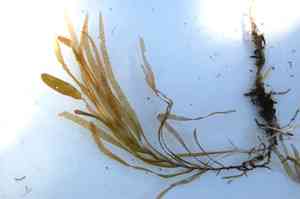
American pondweed (Potamogeton epihydrus)
Also known as: Ribbon-leaved pondweed
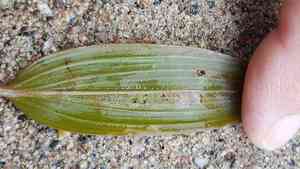
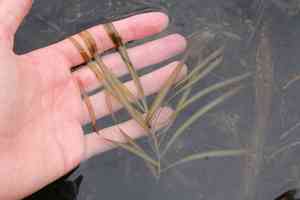
This perennial, rhizomatous herb features narrow, compressed, and unspotted stems that can grow up to approximately 1 meter in length. The stems may be unbranched or only slightly branched. The plant has two distinct leaf types. The submerged leaves are sessile, ranging from 5 to 25 cm in length and 1 to 10 mm in width. These leaves are translucent, linear, and ribbon-like, with colors varying from red-brown to light green, and have tips that can be blunt or acute.
In This Article
Attributes of American pondweed
Lifespan
Perennial
Plant Type
Herb
Plant Height
30-100 cm
Spread
15-30 cm (floating leaves spread)
Leaf Color
Green
Flower Size
1-2 mm
Flower Color
Greenish
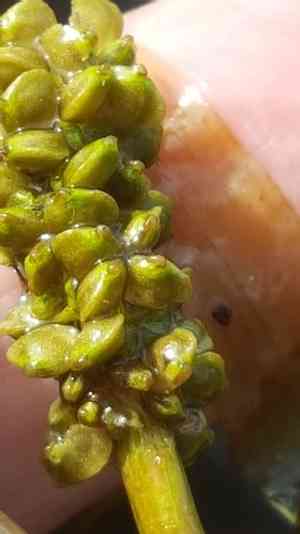
Images of American pondweed
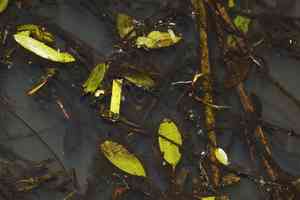
Quickly Identify American pondweed
1
The plant can be identified by its submerged and floating leaves. The submerged leaves are long and ribbon-like, while the floating leaves are more oval-shaped. It produces small, inconspicuous flowers on spikes that emerge from the water.
Scientific Classification of American pondweed
Phylum
Vascular plants
Class
Monocotyledons
Order
Alismatales
Family
Pondweed
Genus
pondweeds
Species
American pondweed
Planting and Growing of American pondweed
Care Difficulty
Easy
Watering Schedule
Every 8 days
Sunlight Requirements
Partial sun
Sunshine Duration
4-6 hours
Ideal Temperature
60-75℉
Soil Type
Potting Mix, Peat Mix
Soil pH
6.5-7.5
Fertilizer Type
Balanced
Pruning Season
Spring, Summer
Pruning Area
Branches, Leaves
Pruning Frequency
2 times a year
Repotting Season
Spring
Pot Type
Terracotta, Plastic
 How to Water American pondweed?
For Potamogeton epihydrus, optimal watering amounts to about 500 ml per session, ensuring the soil remains adequately moist yet not waterlogged. Given its aquatic nature, mimic natural conditions by keeping moisture constant.
What are the symptoms of an underwatered American pondweed?
›
What should I do if my American pondweed is not getting enough water?
›
What are the symptoms of an overwatered American pondweed?
›
How to save an overwatered American pondweed?
›
 What Are the Sunlight Requirements for American pondweed?
Partial sunlight is ideal for Potamogeton epihydrus as it allows the plant to receive enough light for healthy growth. Achieving this balance keeps the plant vigorous and robust.
What is the ideal amount of sunlight?
›
How can I achieve this ideal lighting?
›
What are the benefits of ideal lighting for Potamogeton epihydrus?
›
 What Is the Ideal Temperature Range for American pondweed?
The ideal temperature range for Potamogeton epihydrus lies between 60°F and 75°F. This range provides optimal conditions for growth and photosynthesis. At these temperatures, the enzymatic activities and metabolic functions in the plant cells operate most efficiently, supporting healthy development.
 What Soil is Best for American pondweed?
Potamogeton epihydrus thrives in soils rich in organic matter, which provides essential nutrients and supports microbial life. This can enhance the plant's growth and health by improving soil structure, water retention, and nutrient availability. The plant prefers soil with good water retention capabilities. This ensures that the roots remain moist, which is critical for a water-loving plant, preventing stress and promoting robust growth. While Potamogeton epihydrus requires moisture, adequate drainage is necessary to prevent root rot. Balancing water retention with proper drainage ensures that the plant does not become waterlogged, maintaining optimal health.
 How to Fertilize American pondweed?
Potamogeton epihydrus, commonly known as ribbonleaf pondweed, benefits from a balanced and moderate fertilization approach. When using liquid fertilizers, aim for a concentration that is not too strong, typically around 5 parts per million (ppm) of key nutrients. For slow-release granular fertilizers, use about 30-40 grams per square meter annually. This ensures healthy growth without the risk of nutrient burn.
 How to Prune American pondweed?
Start by looking for leaves that appear old, yellowing, or damaged. These should be your target for removal to allow the plant to focus its energy on healthy growth. Begin trimming the plant by cutting back the older leaves at their base. This gradual approach encourages the plant to produce new, vibrant growth from its core. After pruning, keep an eye on the plant's growth. Look for new, healthy shoots emerging. If the plant appears stressed, pause further pruning until it shows signs of recovery.
More About Pruning Techniques→
 How to Propagate American pondweed plant?
1
Collect seeds from mature Potamogeton epihydrus plants in late summer. Ensure seeds are fully developed and dry them before planting to prevent mold or rot.
2
Prepare a suitable aquatic soil mix in seed trays that holds moisture well. The soil should support early root growth and maintain easy water permeability.
3
When dividing, gently remove the plant from water. Divide the plant at the rhizome without damaging roots, ensuring each section has ample root mass for regrowth.
 How to Repot American pondweed plant?
1
Repot Potamogeton epihydrus when you notice its leaves becoming ragged or the roots have outgrown the pot. These are signs that it requires more space or fresh nutrients. Optimal repotting usually occurs during its active growing seasons of spring or summer. The plant thrives when provided a new substrate to boost its vitality. Repotting at the right time encourages healthy growth and maintains its ecological niche in aquatic environments.
2
Select a pot that is one size larger than the current one. The pot should have ample depth to allow root expansion and hold water effectively. Choosing a larger pot means your Potamogeton epihydrus plants have the space needed for root development, ensuring they absorb enough nutrients. Additionally, ensure the pot is made from material ideal for aquatic plants, such as plastic or fiberglass, which tolerate wet conditions without deteriorating.
3
Use a specialized aquatic plant soil mix, which supports moisture retention and provides a balanced nutrient supply for water plants. The soil should ideally be gritty to avoid compaction underwater, ensuring proper water circulation around the roots. High-quality aquatic soil supports robust plant health, prevents root rot, and maintains the plant's buoyancy and vitality.



