How to Prune Soapbush?
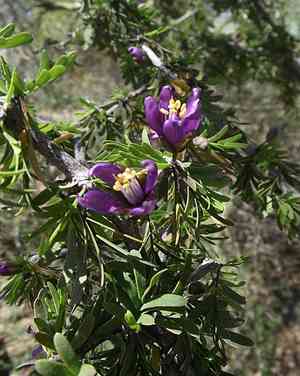
This hardy evergreen shrub, thriving in arid environments, benefits from yearly winter trimming to preserve its form and stimulate robust development. Essential methods involve excising deceased or ailing branches, reducing crowded sections to enhance air movement, and sculpting the crown for visual attractiveness. Trimming also fosters the creation of the sudsy substance utilized in customary cleansing, amplifying this distinct advantage. Exercise caution and prune minimally to prevent stressing soapbush.
Advantages of Trimming Soapbush
Advantages of Trimming Soapbush
Trimming soapbush promotes robust development and helps maintain its desired form, ensuring peak health and visual appeal for the plant.
Optimal Time for Pruning Soapbush
Optimal Time for Pruning Soapbush
Winter is considered the best period for pruning soapbush because the plant is typically inactive during this season. This dormant phase is when soapbush's growth and metabolic processes slow down, minimizing stress during pruning. Winter pruning also allows for better wound recovery before new growth emerges in spring. Additionally, it's easier to view and access soapbush's structure without leaves, leading to a more accurate and effective trimming process. Pruning at this time can also stimulate vigorous growth when the active season begins. Furthermore, removing dead or diseased branches in winter can prevent the spread of pests and diseases that are less active in colder months. It is crucial to avoid pruning soapbush immediately before or during freezing temperatures to prevent cold damage at the cut sites.
Tools Required for Pruning Soapbush
Hand Pruners
Perfect for making clean cuts on branches up to 3/4 inches in diameter, ensuring minimal harm to soapbush. Ideal for shaping and removing dead or diseased wood without damaging the overall structure.
Loppers
Suitable for cutting through thicker branches, up to 1 1/2 inches in diameter, that hand pruners cannot handle. The long handles provide leverage and reach, making it easier to prune soapbush in dense areas.
Pruning Saw
Essential for branches exceeding 1 1/2 inches in thickness. A pruning saw enables safe and efficient removal of large limbs without tearing the bark or causing undue stress to soapbush.
Hedge Shears
Useful for trimming and shaping hedges if soapbush is cultivated as a hedge plant. These shears allow for quick, even cuts and help maintain the formal shape of soapbush if desired.
Gloves
To protect hands while pruning soapbush, as some plants may have sharp branches or irritants.
How to Prune Soapbush
Clean
Before starting, sanitize all pruning tools to prevent disease transmission. Use a solution of 1 part bleach to 9 parts water to sterilize the shears.
Remove withered leaves
Carefully remove any dried leaves from soapbush to encourage healthy growth and air circulation. Use your fingers or pruning shears to gently pluck or cut the leaves at their base, being careful not to harm healthy parts.
Cut dead branches
Identify and cut any dead branches from soapbush, making cuts at a 45-degree angle just above a bud or branching point to promote healthy new growth. Ensure cuts are clean and sharp to minimize damage.
Trim diseased branches
Examine soapbush for diseased branches and trim them back to healthy tissue. For smaller branches, use sanitized shears. For larger limbs, a saw may be necessary, ensuring to cut all the way through to prevent tearing.
Dispose
Properly dispose of all removed material, away from healthy soapbush plants to prevent the spread of any potential diseases.
Common Pruning Errors with Soapbush
Over-pruning
Removing too much foliage at once can shock soapbush, leading to reduced vigor and stunted growth.
Dull tools
Using blunt or dirty pruning tools can cause damage and tear the branches of soapbush, potentially introducing disease.
Incorrect cuts
Cutting too close or too far from the main stem can harm soapbush. Improper cuts may hinder proper healing and encourage disease.
Pruning for symmetry
Focusing excessively on symmetry can result in over-pruning of soapbush. It's crucial to consider the plant's natural growth pattern.
Neglecting health check
Failing to inspect soapbush for signs of disease or distress before pruning might lead to the inadvertent spread of problems.
General Pruning Advice for Soapbush
Sanitized tools
Ensure all pruning tools are clean and sharp to make precise cuts and prevent infection in soapbush.
Branch collar
When removing larger branches, be careful to cut just outside the branch collar to allow soapbush to heal properly.
Thin & shape
Focus on thinning out crowded areas and shaping soapbush to improve air circulation and light penetration for better overall health.
Deadheading
Regularly remove spent flowers from soapbush to encourage more blooms and maintain a tidy appearance.
Regular inspection
Regularly inspect soapbush for damaged or diseased branches and prune as necessary to maintain plant health.



