How to Prune Tall jointweed?
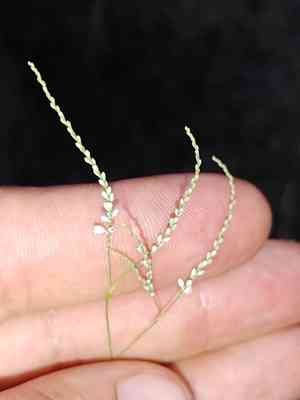
Polygonum erectum, recognized by its delicate, fibrous stalks and tiny, pale blossoms, thrives with trimming in the initial part of spring or the latter part of winter. Cut away desiccated or compromised stems and sculpt the plant to foster robust development and blooming. Refrain from extensive cutting during the active growth period to avert strain. Consistent trimming promotes strong vitality and improves the plant's visual appeal. Refer to botanical resources for precise, variety-specific methods.
What Are the Benefits of Pruning Tall Jointweed?
What Are the Benefits of Pruning Tall Jointweed?
Trimming tall jointweed promotes robust development and helps maintain its form. This practice encourages healthy growth, boosts resistance to pests and illnesses, and enhances overall appearance, ensuring the plant thrives in various environments.
What Is the Best Time for Pruning Tall Jointweed?
What Is the Best Time for Pruning Tall Jointweed?
Trimming tall jointweed in late winter or early spring is advisable as this period aligns with the plant's dormant phase. Pruning during dormancy lessens stress on tall jointweed and allows for vigorous new growth once the active season begins. Furthermore, cutting back the plant before new shoots emerge aids in shaping tall jointweed and managing its size without disrupting its blooming cycle, fostering better health and more abundant flowers.
What Tools Do I Need to Prune Tall Jointweed?
Hand Pruners
These are perfect for precise cuts on smaller branches and encouraging healthy growth in tall jointweed. Ensure you use bypass pruners for clean cuts.
Pruning Shears
Useful for trimming back foliage and flower stems to maintain the desired shape of tall jointweed. Make sure the blades are sharp to prevent plant damage.
Loppers
Best for cutting through thicker stems and branches of tall jointweed that are too robust for hand pruners. They offer greater leverage and cutting power.
Pruning Saw
Essential for trimming larger, woody stems of tall jointweed, which might be too thick for loppers. A pruning saw ensures smooth cuts without harming the stem tissue.
How to Prune Tall Jointweed
Inspection
Carefully examine tall jointweed to identify any diseased or withered leaves. Look for signs such as discoloration, wilting, or fungal growth.
Disinfestation
Before trimming, sterilize your pruning tools to prevent the spread of disease. Use a solution of one part bleach to nine parts water or 70% alcohol.
Removal of diseased leaves
Using sharp, sterilized scissors or pruning shears, carefully cut off any diseased leaves at the base, close to the stem, to prevent further infection.
Removal of withered leaves
Trim off withered leaves by cutting them off at the base, taking care not to damage the healthy parts of the plant. Ensure a clean cut to facilitate faster healing.
Cleanup
Dispose of the removed leaves properly and do not compost them, as they might spread disease. Clean your tools again after pruning to maintain hygiene.
Common Pruning Mistakes with Tall Jointweed
Over-pruning
Many gardeners make the mistake of removing too much of the plant, which can stress tall jointweed, reduce its vigor, and diminish its flowering capability.
Improper cutting technique
Using dull or improper tools can cause ragged cuts that make tall jointweed susceptible to diseases. Always use sharp, clean tools.
Ignoring dead or diseased parts
Failing to remove dead or diseased stems can lead to the spread of pathogens, affecting the overall health of tall jointweed.
Pruning at the wrong growth stage
Pruning during the wrong growth stage can impact tall jointweed's flowering period and overall development, reducing its visual appeal.
Common Pruning Tips for Tall Jointweed
Use sharp, sterile tools
Always use well-sharpened, clean pruning shears to make precise cuts and prevent the introduction of diseases.
Assess before cutting
Take time to inspect tall jointweed thoroughly, identifying dead, damaged, and diseased stems that should be the first to go.
Cut at an angle
Make angled cuts to allow water to drain off easily, minimizing the risk of rot and infection.
Focus on shaping
Prune to maintain a natural shape, removing any awkward or crossing branches that disrupt the aeration and symmetry of tall jointweed.
Prune conservatively
Remove no more than one-third of the plantâs total foliage to avoid stressing tall jointweed and to encourage robust regrowth.


