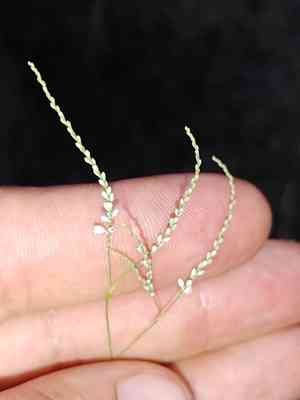
Tall jointweed (Polygonella gracilis)
Also known as: Wireweed
Tall jointweed is a slender perennial plant with small, lance-shaped leaves that often form dense clusters, giving it a feathery look. It favors sandy soils and is commonly found in open fields, clearings, and disturbed areas. Preferring sunny spots, its delicate pinkish-white flowers allow it to thrive in well-lit environments, helping it succeed in competitive habitats.
In This Article
Attributes of Tall jointweed
Lifespan
Annual
Plant Type
Herb
Plant Height
91 cm to 1.8 m
Spread
Typically spreading, up to 30 cm
Leaf Color
Green
Flower Size
Approximately 0.5 cm
Flower Color
White or pink
Images of Tall jointweed
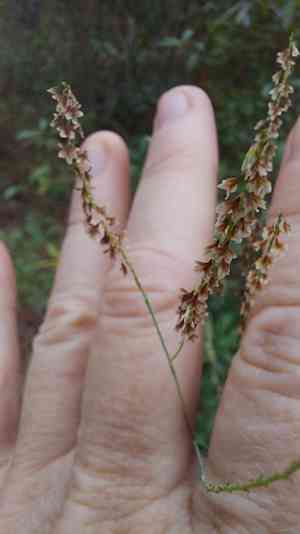
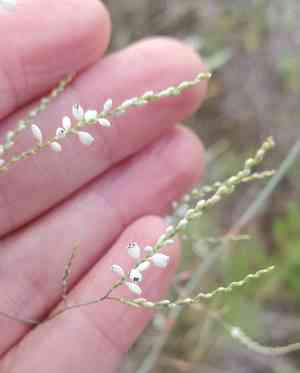
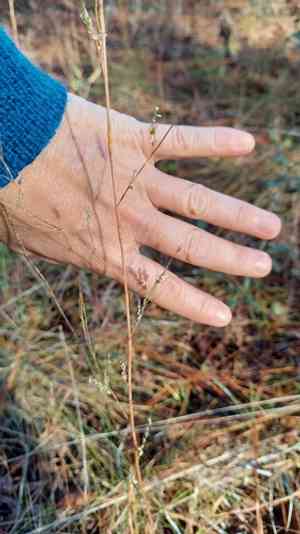
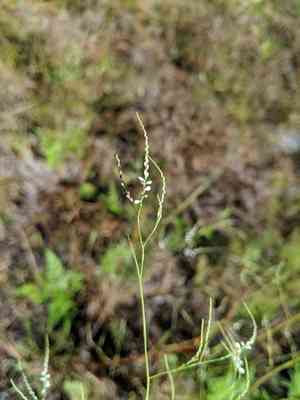
Quickly Identify Tall jointweed
1
Look for thin, wiry stems and clusters of small, white or pink flowers. The plant typically grows in sandy soils and open areas.
Scientific Classification of Tall jointweed
Phylum
Vascular plants
Class
Dicotyledons
Order
Caryophyllales
Family
Buckwheat
Genus
Polygonella
Species
Tall jointweed
Planting and Growing of Tall jointweed
Care Difficulty
Moderate
Watering Schedule
Every 2 days
Sunlight Requirements
Full sun
Sunshine Duration
6-10 hours
Ideal Temperature
65-75℉
Soil Type
Potting Mix, Peat Mix
Soil pH
6.5-7.5
Fertilizer Type
Balanced
Pruning Season
Spring, Summer
Pruning Area
Branches, Leaves
Pruning Frequency
2 times a year
Repotting Season
Spring
Pot Type
Plastic, Ceramic
 How to Water Tall jointweed?
Polygonella gracilis, commonly known as wireweed, prefers to have its soil consistently moist but not waterlogged. Watering with 250 ml each time ensures that the roots receive adequate hydration without being submerged, replicating its natural sandy habitat where water drains quickly.
What are the symptoms of an underwatered Tall jointweed?
›
What should I do if my Tall jointweed is not getting enough water?
›
What are the symptoms of an overwatered Tall jointweed?
›
How to save an overwatered Tall jointweed?
›
 What Are the Sunlight Requirements for Tall jointweed?
Polygonella gracilis requires a light range of 6-8 hours of full to partial sun per day. Ideal light encourages optimal photosynthesis, flower production, and nutrient uptake, contributing to its ecological role and visual appeal in garden settings.
What is the best lighting condition for Polygonella gracilis?
›
How can you achieve ideal light for Polygonella gracilis?
›
What are the benefits of optimal light for Polygonella gracilis?
›
 What Is the Ideal Temperature Range for Tall jointweed?
Polygonella gracilis thrives best in a warm environment with temperatures ranging from 65°F to 75°F. This range provides the necessary warmth for optimal photosynthesis and growth. Ensuring stable temperatures within this range promotes healthy foliage and robust plant development.
 What Soil is Best for Tall jointweed?
Polygonella gracilis thrives in well-drained soils. Sandy and loamy textures allow for excellent drainage, preventing waterlogging which is crucial for avoiding root rot and other moisture-related diseases. Proper drainage ensures healthy root growth and nutrient uptake. While not particularly demanding, Polygonella gracilis benefits from a soil that provides a balanced supply of nutrients. Adequate nutrient presence supports healthy foliage and robust flowering, enhancing both the plant's aesthetics and ecological contributions. Preferring soils with a pH of 6.5 to 7.5, Polygonella gracilis can tolerate slight acidity to neutrality. This pH range optimizes nutrient absorption and microbial activity in the soil, fostering healthy plant development without the deficiencies or excesses found in more extreme pH conditions.
 How to Fertilize Tall jointweed?
For Polygonella gracilis, administer a light application of liquid fertilizer. Mix 1 teaspoon of balanced liquid fertilizer in 1 gallon of water. This is especially important in the active growing season to encourage healthy growth without overwhelming the plant.
 How to Prune Tall jointweed?
Begin by identifying dead or diseased branches and remove them completely to encourage healthy growth. Next, trim back any twining stems that appear faded or dried out. Cut above a node or bud to foster branching and ensure a full, bushy appearance. Keep the top growth slightly narrower than the base to allow sunlight penetration. Use clean, sharp tools to make precise cuts.
More About Pruning Techniques→
 How to Propagate Tall jointweed plant?
1
Before sowing seeds, fill your seedling trays with potting mix. Water the mix thoroughly and allow excess water to drain out completely. This ensures that the seeds have the right moisture level during germination.
2
Scatter the seeds over the top of the moist potting mix. Lightly press them into the soil to ensure good contact, but do not bury them too deeply as this can inhibit germination.
3
Keep the surface of the soil moist by misting it regularly. Ensure that the trays are kept in a warm, well-lit area, ideally with a temperature range between 20-25°C, to foster proper seed germination.
 How to Repot Tall jointweed plant?
1
You should consider repotting Polygonella gracilis when you notice its roots are growing through the drainage holes, or when the plant seems root-bound. Another sign is slow growth despite proper care. Choosing the right time, typically in spring or summer, is crucial to minimize stress on the plant.
2
Select a pot that is no more than 2 inches larger in diameter than the current one. The pot should have ample drainage holes to prevent waterlogging. A clay or terracotta pot is a good choice as it allows air exchange, which is beneficial for plants that prefer drier conditions.
3
The soil should be sandy and well-draining, mimicking the plant's natural habitat. A cactus or succulent soil mix often works well. This type of soil allows excess moisture to drain away quickly, reducing the risk of root rot, which this plant is particularly susceptible to.


