How to Prune Hairy solomon's seal?
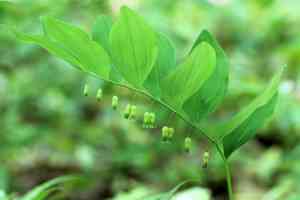
Hairy solomon's seal, a perennial herb, flourishes in forested environments. After blooming, remove any deceased or discolored leaves to preserve its vitality and aesthetic. The ideal time for trimming is in spring prior to the appearance of new growth, or directly following its summer flowering period. Autumn tidying also proves advantageous. Consistent trimming reduces the risk of illness and stimulates robust development. Cut near the ground, refrain from excessive pruning to retain its graceful arch, and foster abundant foliage and unique blossoms for the subsequent season.
What Are the Benefits of Pruning Hairy Solomon's Seal?
What Are the Benefits of Pruning Hairy Solomon's Seal?
Trimming hairy solomon's seal promotes vigorous development and a more attractive form, potentially leading to increased flowering. Regular cutting helps maintain an ideal size and shape, improving the plant's overall vitality and look.
What Is the Best Time for Pruning Hairy Solomon's Seal?
What Is the Best Time for Pruning Hairy Solomon's Seal?
Pruning hairy solomon's seal in spring is optimal as it follows the winter dormancy, allowing gardeners to remove dead or damaged parts without harming the plant's strength. This timing also prepares the plant for new growth. Summer pruning, post-flowering, is best for shaping and size control, ensuring energy goes to healthy development. Fall pruning is not advised as it can stimulate new growth vulnerable to cold, potentially harming hairy solomon's seal's health.
What Tools Do I Need to Prune Hairy Solomon's Seal?
Hand Pruners
Perfect for making clean cuts on hairy solomon's seal stems, hand pruners offer precision and easy handling, crucial for preserving the plant's natural arching shape.
Shears
These are suitable for cutting back larger sections of hairy solomon's seal if a significant reduction is needed. Shears allow for quick work on the plant’s soft stems during its dormant period.
Pruning Saw
For older, tougher stems of hairy solomon's seal that are too thick for hand pruners, a pruning saw is essential to remove them without tearing plant tissue.
Gloves
Wearing gloves is recommended to shield hands from any potential irritation when handling hairy solomon's seal, and to ensure a secure grip on tools.
How to Prune Hairy Solomon's Seal
Disinfect tools
Before pruning hairy solomon's seal, always clean and sanitize your pruning tools to prevent disease spread. Use a solution of one part bleach to nine parts water or rubbing alcohol to wipe down blades.
Remove diseased leaves
Carefully check hairy solomon's seal for any diseased leaves, which might appear discolored, spotted, or decaying. Using your disinfected tools, gently snip away these leaves at their base, being careful not to harm the healthy parts of the plant.
Trim withered leaves
Identify any withered or yellowing leaves on hairy solomon's seal. These are older leaves that have finished their life cycle. Snip them off at the base to encourage new growth and enhance the plant's overall health and appearance.
Deadhead flowers
After hairy solomon's seal has finished blooming, deadhead the spent flower stems. Cut the stem back to the plant's base, or to where new buds are forming, to encourage more blooms the following year.
Cleanup
Clear away all removed material from around hairy solomon's seal to lessen the risk of pests and diseases. Dispose of or compost healthy plant material, but always discard diseased leaves and flowers in the trash to avoid contaminating compost.
Common Pruning Mistakes with Hairy Solomon's Seal
Overpruning
Removing too much foliage or too many stems can stress hairy solomon's seal, reduce its vigor, and spoil its natural shape.
Improper cut locations
Cutting too far from the node can leave unsightly stubs, while cutting too close might damage the node and hinder proper healing.
Pruning during active growth
Although the timing is excluded, pruning during periods of active growth may inadvertently remove developing buds and flowers.
Using blunt tools
Dull pruning shears can cause ragged cuts, making hairy solomon's seal susceptible to pests and diseases.
Neglecting plant structure
Randomly cutting stems without considering the overall structure of hairy solomon's seal may result in an unbalanced look and a weakened plant.
Removing healthy growth
Unnecessarily cutting healthy stems can deplete the plant's energy reserves and diminish its lushness and fullness.
Common Pruning Tips for Hairy Solomon's Seal
Sanitized tools
Use clean, sharp pruning shears to ensure precise cuts that heal quickly, minimizing the risk of disease transmission to hairy solomon's seal.
Consider plant architecture
Prune hairy solomon's seal by following its natural form. Aim to remove only damaged or dead stems, preserving the plant's arching shape.
Strategic removal
Target stems that are crossing, rubbing, or growing inward, which can hinder air circulation and lead to fungal diseases in hairy solomon's seal.
Proper cut technique
Make diagonal cuts just above a leaf node, ensuring the highest point of the cut is just above the node to promote healthy regrowth.
Thin out crowded areas
Moderately thin out dense sections to improve light penetration and air flow, enhancing the overall health of hairy solomon's seal.
Post-pruning care
After pruning hairy solomon's seal, water the plant and apply a balanced fertilizer to aid recovery and encourage fresh growth.



