How to Prune Maryland milkwort?
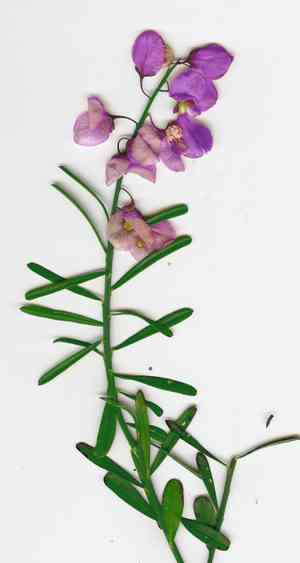
Maryland milkwort, recognized by its unique grass-like leaves and tiny purple blossoms, flourishes with regular trimming to encourage denser development and extended flowering. Pruning is best performed in the spring to eliminate any deceased or frail stalks, fostering new shoots. Gentle shaping during the summer months can preserve its form and remove faded blooms, thereby prolonging the flowering season. Refrain from extensive pruning in autumn to safeguard the plant through winter. While pruning boosts the plant's overall health and vitality, it is not essential for this robust indigenous variety.
Advantages of Trimming Maryland Milkwort
Advantages of Trimming Maryland Milkwort
Trimming maryland milkwort promotes robust development and maintains its desired form. By eliminating dead or overgrown stems, maryland milkwort can direct more energy to healthy shoots, leading to a strong structure and improved plant appearance.
Optimal Time for Trimming Maryland Milkwort
Optimal Time for Trimming Maryland Milkwort
Trimming in the Spring allows maryland milkwort to channel energy into new growth after removing any winter-damaged stems. Early Summer trimming is suitable for shaping the plant and managing its size following the initial burst of Spring growth. Fall trimming should be restricted to removing dead or diseased branches, as extensive trimming can stimulate new growth that may not harden off before the first frost. These trimming periods align with maryland milkwort's natural dormancy and growth cycles, ensuring minimal stress and fostering robust health. Trimming during these seasons helps prevent disease spread, as many pathogens are less active, and also ensures maryland milkwort has the best chance to recover before periods of high environmental stress, such as intense summer heat or winter cold.
Necessary Tools for Trimming Maryland Milkwort
Hand Pruners
Maryland milkwort is a small, delicate plant, and hand pruners are perfect for making precise cuts on slender stems. These will allow for selective trimming without harming the plant.
Pruning Scissors
Given the fine foliage and small size of maryland milkwort, pruning scissors can offer even greater precision than hand pruners for snipping tiny stems and removing dead or yellowed leaves.
Gloves
While maryland milkwort does not typically have thorny stems, gloves can offer protection from any potential skin irritants on the plant and enhance grip while using other tools.
How to Trim Maryland Milkwort
Cleaning tools
Before starting to trim maryland milkwort, sanitize your pruning shears with rubbing alcohol or a bleach solution to prevent the spread of disease.
Identify withered
Locate withered or yellowing leaves on maryland milkwort that appear to be dead or dying, as these are the parts that will be removed.
Precise cuts
Make precise cuts to remove the withered leaves. Cut close to the base of the leaf where it meets the stem or the leaf node, taking care not to damage healthy parts of maryland milkwort.
Collect debris
Gather and dispose of all removed leaves and plant debris to minimize the potential for disease or pest infestation in maryland milkwort.
Post pruning care
Check the remaining foliage of maryland milkwort for health and well-being, and ensure that it has adequate water and light to recover from the trimming process.
Common Trimming Errors with Maryland Milkwort
Overpruning
Removing too much foliage at once can stress maryland milkwort, potentially leading to stunted growth or a weakened plant.
Improper cut location
Cutting too far from a node, where leaves attach to the stem, can result in unsightly stubs and increase the risk of disease entering the plant.
Using dull tools
Dull trimming tools can create jagged cuts that are more susceptible to disease and may harm the plant's vascular system.
Neglecting sanitation
Failing to sanitize tools between cuts, especially when moving between different plants, can spread disease to maryland milkwort.
Pruning without a plan
Random or excessive cutting without understanding the growth pattern of maryland milkwort can lead to poor plant shape and reduced flowering.
Common Trimming Tips for Maryland Milkwort
Sharp clean tools
Always use sharp, clean tools to make clean cuts that will heal swiftly and reduce the chance of disease.
Proper cut location
Make cuts just above a node where the leaves emerge, at a 45-degree angle, to promote healthy new growth.
Prune selectively
Thin out dense areas selectively to improve air circulation and light penetration, which can enhance the overall health of maryland milkwort.
Maintenance pruning
Regularly remove any dead, damaged, or diseased branches to maintain the plant's vigor and appearance.
Encouraging new growth
Gently shape maryland milkwort by shortening overlong branches to encourage bushier growth and enhance its natural form.



