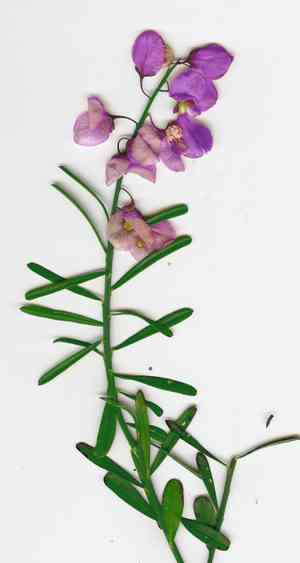
Maryland milkwort (Polygala mariana)
Also known as: Maryland Milkwort
In the meadows and open woodlands of the Southeast USA, you can find the lovely wildflower known as Bluet (Houstonia caerulea). This plant features small, charming purple and white flowers and, while not typically used as an ornamental species, it does occasionally appear in native growth gardens within its natural habitat.
In This Article
Attributes of Maryland milkwort
Lifespan
Annual
Plant Type
Herb
Plant Height
15 cm to 41 cm
Spread
N/A
Leaf Color
Green
Flower Size
Approximately 0.5-1 cm
Flower Color
Pink Purple
Images of Maryland milkwort
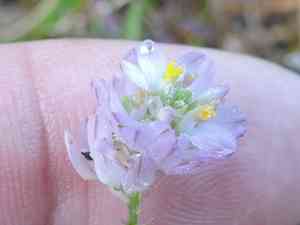
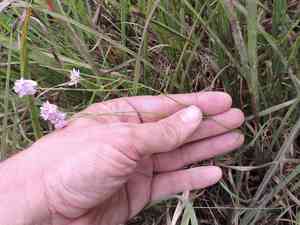
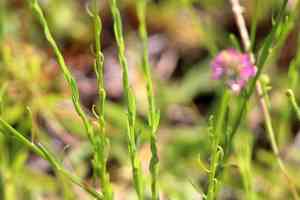
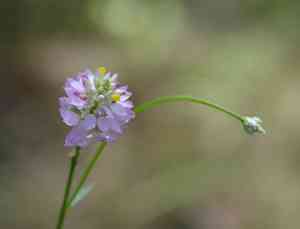
Quickly Identify Maryland milkwort
1
The plant can be identified by its small, purple flowers and linear to lanceolate leaves. It usually blooms in late spring to summer.
Scientific Classification of Maryland milkwort
Phylum
Vascular plants
Class
Dicotyledons
Order
Fabales
Family
Milkwort
Genus
Milkworts
Species
Maryland milkwort
Planting and Growing of Maryland milkwort
Care Difficulty
Easy
Watering Schedule
Every 3 days
Sunlight Requirements
Partial sun
Sunshine Duration
4-8 hours
Ideal Temperature
60-75℉
Soil Type
Potting Mix, Peat Mix
Soil pH
6.5-7.5
Fertilizer Type
Balanced
Pruning Season
Spring, Summer
Pruning Area
Branches, Leaves
Pruning Frequency
2 times a year
Repotting Season
Spring
Pot Type
Plastic, Ceramic
 How to Water Maryland milkwort?
For Polygala mariana, it is essential to provide a balanced amount of water. Watering should be thorough yet not overwhelming, ensuring the soil remains consistently moist without becoming waterlogged. A good rule is to allow the top inch of soil to dry out slightly between waterings.
What are the symptoms of an underwatered Maryland milkwort?
›
What should I do if my Maryland milkwort is not getting enough water?
›
What are the symptoms of an overwatered Maryland milkwort?
›
How to save an overwatered Maryland milkwort?
›
 What Are the Sunlight Requirements for Maryland milkwort?
Polygala mariana prefers partial sun, where exposure ranges between morning and afternoon light periods. Adequate light ensures vibrant petals and sustained blooming, promoting plant vigor and health longevity.
What is the best lighting condition for Polygala mariana?
›
How to achieve ideal lighting for Polygala mariana?
›
What are the benefits of ideal lighting for Polygala mariana?
›
 What Is the Ideal Temperature Range for Maryland milkwort?
The optimal growth temperature for Polygala mariana falls between 60°F and 75°F. This range ensures that the plant's physiological processes function smoothly, including proper photosynthesis, nutrient uptake, and development. It is crucial to maintain these temperatures consistently to support healthy growth and prevent stress to the plant. These temperatures also help in maintaining the vibrancy of its foliage and flowers.
 What Soil is Best for Maryland milkwort?
Polygala mariana thrives best in well-draining soils to prevent root rot. Excessive water retention can suffocate roots, leading to plant decline. Ensuring your soil drains adequately will promote healthy root growth and vibrant foliage. A nutrient-rich soil is vital for the optimal growth of Polygala mariana. This species appreciates a well-balanced mixture of organic matter, which supports not only growth but also flower production, resulting in a healthier and more vibrant plant. While Polygala mariana requires well-draining soil, it also benefits from moderate moisture retention which ensures roots are neither too dry nor too wet. Maintaining this moisture balance prevents stress and supports sustained growth.
 How to Fertilize Maryland milkwort?
For Polygala mariana, it's advisable to apply liquid fertilizer at half the recommended strength, approximately 1/4 cup per gallon of water. This ensures that the plant receives adequate nutrients without overwhelming its delicate root system.
 How to Prune Maryland milkwort?
Ensure you use sharp, clean pruning shears to make precise cuts. Dull or dirty tools can damage the plant and introduce pests or diseases. Always sterilize your tools with alcohol before and after use. Inspect the plant thoroughly before pruning for signs of disease or infestation. Remove any infected areas first to prevent spreading and retract infestations promptly as part of your regular care routine.
More About Pruning Techniques→
 How to Propagate Maryland milkwort plant?
1
Start by soaking the seeds in water for 24 hours to soften the seed coat and enhance germination. Once soaked, place them in a seed starting tray filled with moist potting mix and maintain a warm environment.
2
Choose healthy stems from an existing Polygala mariana plant. Make a clean cut just below a node and remove any leaves from the lower half of the cutting to reduce water loss and promote root development.
3
Carefully dig up a mature plant and separate the root clumps using a knife or spade. Ensure each division has a healthy root system and plant them individually in prepared soil, keeping them adequately watered.
 How to Repot Maryland milkwort plant?
1
Polygala mariana typically needs repotting when roots appear through drainage holes, or growth has noticeably slowed. Spring or autumn is ideal as it provides a mild climate, minimizing plant stress and maximizing adaptation.
2
Opt for a pot that is slightly larger than the current one, ensuring it has drainage holes to prevent waterlogging. A pot made from breathable material like terracotta is beneficial as it aids in maintaining an optimal moisture level, replicating natural growing conditions.
3
Choose a well-draining potting mix with components such as perlite or sand. This soil ensures good aeration and drainage, critical for preventing root rot and promoting healthy root development. A nutrient-rich blend also enhances growth.



