How to Prune Elegant jacob's-ladder?
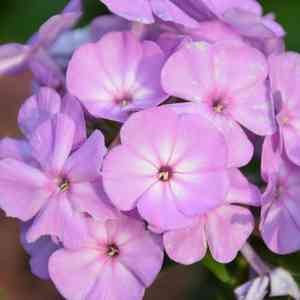
Polemonium caeruleum, an exquisite perennial, is recognized for its graceful, pinnate foliage and groupings of azure blossoms. To achieve peak development, trim in the early spring or late winter prior to the emergence of new shoots. Eliminate any deceased or compromised stalks and snip off faded flower stems to stimulate additional flowering. Reducing the plant's density aids in enhancing air movement and general well-being. Consistent trimming fosters robust development, wards off ailments, and preserves its appealing structure. Always employ sanitized, keen implements to avert contagions.
What Are the Benefits of Pruning Elegant Jacob's-ladder?
What Are the Benefits of Pruning Elegant Jacob's-ladder?
Pruning elegant jacob's-ladder encourages robust development and maintains an appealing form. This practice improves air circulation, reducing issues with pests and diseases. Timely trimming also promotes abundant flowering and keeps the plant's size manageable, ensuring a strong and neat look.
What Is the Best Time for Pruning Elegant Jacob's-ladder?
What Is the Best Time for Pruning Elegant Jacob's-ladder?
Trimming elegant jacob's-ladder in early spring or late winter is optimal as it coincides with the plant's dormant phase, minimizing stress and fostering vigorous growth. Pruning before new shoots emerge helps channel energy towards strong development and vibrant blooms. Additionally, this timing aids in preserving the plant's shape and prevents potential disease and pest problems that can arise from cuts made during active growth periods.
What Tools Do I Need to Prune Elegant Jacob's-ladder?
Bypass Pruners
Bypass pruners are perfect for making precise cuts on elegant jacob's-ladder's stems and leaves without causing harm. Their accuracy helps maintain the plant's beauty and vitality.
Pruning Shears
Pruning shears are effective for smaller, more delicate cuts. They are ideal for trimming the finer growth of elegant jacob's-ladder, helping to shape the plant and encourage denser foliage.
Snips
Snips are suitable for removing spent flowers and deadheading blooms from elegant jacob's-ladder. They allow gardeners to accurately trim at the base of each faded flower, promoting new growth and extending the flowering period.
Gloves
Gloves are crucial for protecting hands while trimming elegant jacob's-ladder. Although the plant lacks significant thorns, gloves provide defense against potential skin irritants and scratches.
How to Prune Elegant Jacob's-ladder
Identify
Inspect elegant jacob's-ladder for any diseased or withered foliage. These may appear discolored, spotted, or droopy.
Prepare tools
Disinfect pruning shears with alcohol to prevent the spread of pathogens.
Trim diseased leaves
Carefully remove diseased leaves by making a clean cut at the base of each leaf stem without harming the main plant structure.
Trim withered leaves
Remove withered leaves by cutting them close to the stem but leaving any healthy foliage intact.
Dispose
Properly discard the removed leaves to prevent any potential spread of disease back to elegant jacob's-ladder or other nearby plants.
Common Pruning Mistakes with Elegant Jacob's-ladder
Over-pruning
Removing too much foliage can stress elegant jacob's-ladder, leading to reduced growth and fewer flowers. This is particularly problematic if more than one-third of the plant is cut back at once.
Improper Technique
Using dull or dirty pruning tools can result in jagged cuts, making elegant jacob's-ladder vulnerable to diseases and pests. Clean, sharp tools ensure cleaner cuts that heal more quickly.
Timing Errors
Pruning at the wrong time of day or under unsuitable weather conditions, such as during high humidity or wet seasons, can increase the risk of fungal infections and other diseases.
Ignoring Deadheading
Failing to regularly remove spent flowers can cause elegant jacob's-ladder to focus energy on seed production instead of developing new blooms, diminishing the plant's vitality and overall appearance.
Common Pruning Tips for Elegant Jacob's-ladder
Use Sterilized Tools
Before and after pruning, always clean your pruning tools with a disinfectant to prevent the spread of diseases.
Follow the One-Third Rule
Avoid cutting more than one-third of the plant's total foliage at a time to reduce stress and promote healthy regrowth.
Focus on Removing Spent Flowers
Regularly deadhead elegant jacob's-ladder to encourage continuous blooming. Snip off spent flowers just above the next set of healthy leaves to direct the plant's energy to new growth and flowers.
Cut at Proper Angles
Make clean cuts at a 45-degree angle, ideally just above a node or a healthy set of leaves, to facilitate better healing and water runoff, reducing the risk of rot.
Inspect for Damage
While pruning, check for any signs of disease or pest damage. Remove any affected parts entirely to prevent spread.
Stay Observant
Keep an eye on elegant jacob's-ladder after pruning for any signs of shock or distress, such as wilting or discoloration, and be ready to adjust care practices if needed.



