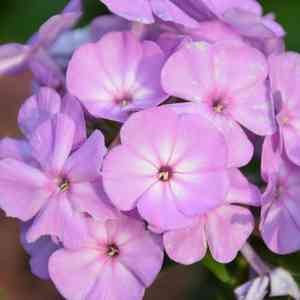
Elegant jacob's-ladder (Polemonium elegans)
Also known as: Elegant Jacob's Ladder, Showy Jacob's Ladder
Elegant Jacob's-ladder (Polemonium elegans) is a delightful alpine perennial recognized for its clusters of blue to lavender-hued flowers, each featuring a unique yellow center. The blossoms rise gracefully on slender stems above a mound of finely divided, fern-like leaves.
This plant flourishes in cool, moist environments, often found nestled in rock crevices where the soil remains moist yet well-drained. Despite its delicate look, it is quite resilient, capable of enduring the challenging conditions typical of high-altitude regions.
In This Article
Attributes of Elegant jacob's-ladder
Lifespan
Perennial
Plant Type
Herb
Plant Height
30-60 cm
Spread
15-30 cm
Leaf Color
Green
Flower Size
2-4 cm
Flower Color
Blue, Violet
Images of Elegant jacob's-ladder
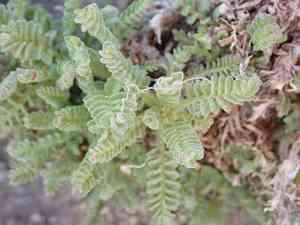
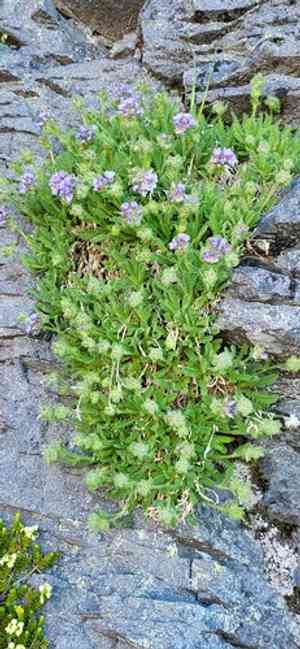
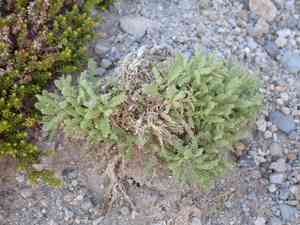
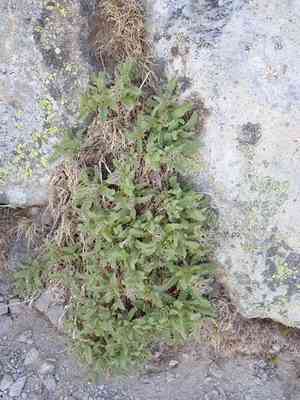
Quickly Identify Elegant jacob's-ladder
1
Identify Polemonium elegans by its pinnate leaves with numerous narrow leaflets and its clusters of blue or violet bell-shaped flowers. The plant often forms dense clumps and can be found in alpine and subalpine environments.
Scientific Classification of Elegant jacob's-ladder
Phylum
Vascular plants
Class
Dicotyledons
Order
Ericales
Family
Phlox
Genus
Jacob's ladders
Species
Elegant jacob's-ladder
Planting and Growing of Elegant jacob's-ladder
Care Difficulty
Easy
Watering Schedule
Every 3 days
Sunlight Requirements
Partial sun
Sunshine Duration
6-10 hours
Ideal Temperature
60-70℉
Soil Type
Potting Mix, Peat Mix
Soil pH
6.5-7.5
Fertilizer Type
Balanced
Pruning Season
Spring, Summer
Pruning Area
Branches, Leaves
Pruning Frequency
2 times a year
Repotting Season
Spring
Pot Type
Ceramic, Plastic
 How to Water Elegant jacob's-ladder?
Polemonium elegans prefers soil that is consistently moist but not waterlogged. It's best to water until the top inch of soil is saturated, which ensures the water reaches the roots without drowning them.
What are the symptoms of an underwatered Elegant jacob's-ladder?
›
What should I do if my Elegant jacob's-ladder is not getting enough water?
›
What are the symptoms of an overwatered Elegant jacob's-ladder?
›
How to save an overwatered Elegant jacob's-ladder?
›
 What Are the Sunlight Requirements for Elegant jacob's-ladder?
The ideal light exposure for Polemonium elegans is partial sun, where it can thrive in morning sunlight followed by afternoon shade. This range promotes sturdy growth, vibrant foliage, and consistent blooming, enhancing its overall vitality.
How much sunlight does Polemonium elegans need?
›
What are the solutions to achieve ideal lighting?
›
What benefits do ideal lighting bring to this plant?
›
 What Is the Ideal Temperature Range for Elegant jacob's-ladder?
For optimum growth of Polemonium elegans, an ideal temperature range of 60 to 70 °F is essential. This range ensures that enzymatic activities and physiological processes such as photosynthesis function efficiently. It replicates the plant's native mountainous climate, which is characterized by cool and stable temperatures.
 What Soil is Best for Elegant jacob's-ladder?
Polemonium elegans thrives in nutrient-rich loamy soils that provide essential minerals for vibrant growth and healthy foliage. This type of soil ensures strong root development and vigorous blooming, crucial for its elegant appearance. Well-draining soils are imperative to avoid waterlogging, which can lead to root rot. Ensuring proper drainage helps maintain aeration and prevents the plant's roots from being suffocated, thereby enhancing overall plant health and longevity. Although well-draining, the soil should also retain adequate moisture to sustain the plant during dry spells. Consistent moisture levels support the plant's metabolic processes and prevent wilting, ensuring robust growth.
 How to Fertilize Elegant jacob's-ladder?
For Polemonium elegans, use approximately 1/4 to 1/2 teaspoon of liquid fertilizer per application. Slow-release fertilizer granules can be applied at a rate of approximately 2 to 3 tablespoons per plant. Ensure that the fertilizer is evenly distributed around the base of the plant to encourage uniform growth without overfeeding any specific area.
 How to Prune Elegant jacob's-ladder?
Begin pruning by identifying any dead or damaged stems and remove them using clean, sharp shears to prevent any disease spread. Focus on trimming back only a third of the plant's height each session, thus avoiding stress to the plant. Always prune just above a healthy leaf node or lateral branch to encourage bountiful blooming.
More About Pruning Techniques→
 How to Propagate Elegant jacob's-ladder plant?
1
Collect mature seeds from existing plants and sow them in seed trays filled with a mixture of soil and compost. Lightly cover the seeds with soil and keep them moist. Germination typically occurs within 2-4 weeks with adequate warmth.
2
Cut 4-6 inch healthy stems using pruning shears. Remove the lower leaves and dip the cut ends in rooting hormone before placing them in potting soil. Keep the cuttings in a humid environment to facilitate root development.
3
In early spring or early summer, dig up mature plants and gently separate the roots into individual sections. Each section should have a good amount of roots. Replant them promptly in well-prepared soil to minimize stress.
 How to Repot Elegant jacob's-ladder plant?
1
Polemonium elegans shows signs of needing repotting when roots begin to emerge from the drainage holes of the pot, or when the plant stops growing as vigorously as before. Repotting during spring or early summer ensures optimal growth and recovery, as these periods align with the plant's natural growth cycle.
2
Choose a pot that is about one size larger in diameter than the current one, and ensure it has sufficient drainage holes. A slightly larger pot allows room for growth, preventing the plant from becoming root-bound again too soon. Using a pot with good drainage helps to avoid waterlogging, which is detrimental to the plant's health.
3
Use a well-draining organic soil mix, enriched with perlite or sand, to ensure proper aeration and moisture balance. This type of soil prevents water from accumulating around the roots, reducing the risk of root rot while providing a nutrient-rich environment for optimal growth.
Learn More About Elegant jacob's-ladder Diseases
Anthracnose
Bacterial Leaf Spot
Bacterial Soft Rot
Bacterial Wilt
Crown Gall
Cyst Nematode
Damping-off
Downy Mildew
Drought Stress
Fusarium Wilt
Gray Mold
Leaf Spot
Mosaic
Nutrient Deficiency
Nutrient Toxicity
Powdery Mildew
Root Rot
Root-knot Nematode
Rusts
Sooty Mold
Spider Mites
Temperature Stress
Thrips Damage
White Mold



