How to Prune Bridal bouquet?
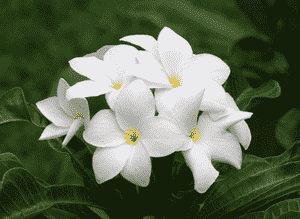
This perennial bush, recognized for its spatulate foliage and scentless white blossoms arranged in groups, flourishes with consistent trimming to preserve its form and stimulate robust development. To trim bridal bouquet, make cuts directly above leaf junctions, prioritizing any lifeless or ailing limbs. The ideal period for pruning is in late winter or early spring, prior to the emergence of fresh shoots. Trimming fosters branching, leading to a more voluminous look. Refrain from over-cutting to avert undue strain on bridal bouquet.
What Are the Benefits of Pruning Bridal Bouquet?
What Are the Benefits of Pruning Bridal Bouquet?
Trimming bridal bouquet encourages robust development and maintains its desired form. Consistent cutting promotes revitalization and ensures a compact, lush appearance.
What Is the Best Time for Pruning Bridal Bouquet?
What Is the Best Time for Pruning Bridal Bouquet?
These periods are considered ideal for trimming bridal bouquet as they precede its main growth and blooming phase. Pruning in late winter allows for the removal of any frost-damaged branches before new growth emerges. Early spring pruning helps stimulate fresh growth, ensuring energy is directed towards producing strong, healthy branches and an abundant floral display. It's also a time when the plant is still dormant or just starting to break dormancy, which minimizes stress and allows for quicker recovery. Pruning during these seasons helps preserve the plant's shape, foster vigorous growth, and enhance the overall health and look of bridal bouquet.
What Tools Do I Need to Prune Bridal Bouquet?
Hand Pruners
For cutting smaller stems up to 3/4 inches in diameter, hand pruners are ideal. They provide clean cuts which are important for the health of bridal bouquet.
Loppers
For reaching into the canopy and cutting thicker branches, typically between 3/4 inches and 1.5 inches, that hand pruners cannot handle, loppers are recommended. They ensure minimal damage to the surrounding plant tissue of bridal bouquet.
Pruning Saw
For the thickest branches over 1.5 inches in diameter, a pruning saw is necessary. It allows for precise cutting through larger woody material without damaging bridal bouquet.
Gloves
Wearing gloves is critical to protect hands from the sap of bridal bouquet, which may irritate skin.
Disinfectant
To prevent the spread of disease, cleaning cutting tools with a disinfectant before and after pruning bridal bouquet is essential.
How to Prune Bridal Bouquet
Step1: Tool Preparation and Sterilization
Before you start pruning bridal bouquet, ensure you have the right tools. A sharp pair of pruning shears or a small saw for larger branches is necessary. Sterilize your tools with rubbing alcohol or bleach solution to prevent the spread of disease.
Step2: Identification of Pruning Targets
Identify the parts of bridal bouquet that require pruning.
Step3: Deadwood Removal Technique
To remove deadwood, carefully locate and inspect the stem for sections that are no longer alive. These will often look dry, brittle, and may be a different color than healthy wood. Cut the deadwood back to the point where it meets healthy, living tissue, making the cut at a 45-degree angle about 1/4 inch above a node or branching point.
Step4: Damaged Stem Cutting
When cutting damaged stems, follow a similar approach to the removal of deadwood. Ensure that you cut well into healthy tissue, typically several inches below the damaged area, to eliminate any potential infection that might spread.
Step5: Old Flower Pruning
To prune old flowers, clip them off at their base to promote more blooms and maintain a tidy appearance. It's important to do this regularly as bridal bouquet can flower throughout the growing season.
Step6: Shaping and Growth Promotion
After clearing away the deadwood, damaged stems, and old flowers, you can shape bridal bouquet for aesthetic purposes and to promote healthy growth. Make any shaping cuts above a leaf node or growing point to encourage bushy growth and maintain a desirable form.
Step7: Post-Pruning Cleanup
Clean up all the pruned material from around the base of bridal bouquet to prevent any diseases or pests from taking hold in the detritus. It's also important to reduce competition for nutrients and water.
Post-Pruning Care for Bridal Bouquet
Post-Pruning Care for Bridal Bouquet
Immediately after pruning bridal bouquet, sterilize cuts to prevent infection. Place bridal bouquet in bright, indirect light to reduce stress and promote healing. Maintain moderate humidity and avoid temperature extremes. Begin a gentle fertilization regimen a month post-pruning to aid in robust growth, using a balanced, slow-release fertilizer. Regularly inspect the pruned areas for signs of stress or diseaseâwilting, discoloration, or oozingâand if detected, address promptly with appropriate fungicides or pest control measures.
Common Pruning Mistakes with Bridal Bouquet
Avoid Dull or Dirty Pruning Tools
Using dull or dirty pruning tools, which can cause damage to bridal bouquet's branches and potentially introduce disease to the plant.
Do Not Over-Prune in One Session
Removing too much of the plant at once, which can stress bridal bouquet and result in poor growth or reduced flowering.
Have a Clear Pruning Objective
Pruning without a clear objective, leading to an undesirable shape or size that does not complement the natural growth habit of bridal bouquet.
Correct Pruning Distance from Main Stem
Cutting branches too close to the main stem, which can harm the plant's healing process and increase vulnerability to pests and diseases.
Remove All Dead or Diseased Wood
Neglecting to remove all dead or diseased wood, which can impair bridal bouquet's overall health and vitality.
Common Pruning Tips for Bridal Bouquet
Use Clean, Sharp Pruning Tools
Always use clean, sharp pruning tools to make clean cuts that bridal bouquet can heal from efficiently, reducing the risk of disease.
Maintain Natural Vase-Like Shape
Prune bridal bouquet to maintain its natural vase-like shape, enhancing airflow and sunlight penetration, which are crucial for the plant's health and bloom production.
Prune Above Leaf Nodes or Junctions
Make cuts just above leaf nodes or branch junctions to promote new growth in the desired direction.
Remove Dead or Damaged Branches Regularly
Regularly remove any dead, damaged, or diseased branches to boost bridal bouquet's vitality and encourage more blooms.
Thin Out Dense Center to Improve Airflow
Thin out the center of bridal bouquet if it becomes too dense, to improve air circulation and light exposure, which will help prevent fungal diseases and encourage a better display of flowers.
Prune Incrementally to Allow Recovery
When shortening branches, do so incrementally, allowing bridal bouquet to recover between pruning sessions and adjusting shape over time rather than all at once.
Avoid Leaving Stubs After Pruning
Avoid leaving stubs when removing branches, as they can rot and become entry points for pests or diseases.



