How to Prune Mexican devil's-claws?
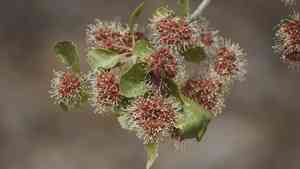
The Mexican devil's-claws, an evergreen featuring lustrous foliage and unique claw-shaped seed capsules, thrives with strategic trimming. The most favorable times for pruning are from late winter to early spring, aligning with its inactive phase and prior to the emergence of fresh shoots. Eliminate any deceased or frail branches to foster robust growth and improve air movement. Excise any branches that intersect to preserve its inherent form. Appropriate pruning stimulates energetic development and optimizes its capacity to bloom, which is vital for sustaining the aesthetic charm of the Mexican devil's-claws.
What Are the Benefits of Pruning Mexican Devil's-claws?
What Are the Benefits of Pruning Mexican Devil's-claws?
Pruning mexican devil's-claws promotes robust development and maintains its form. Trimming helps manage size, boosts flowering, improves health, and lowers disease risk by eliminating dead or diseased parts, ensuring a strong and appealing plant.
What Is the Best Time for Pruning Mexican Devil's-claws?
What Is the Best Time for Pruning Mexican Devil's-claws?
Trimming mexican devil's-claws in early spring or late winter ensures the plant is dormant, reducing stress and encouraging strong growth when the season begins. These times are also ideal as they precede the main bloom period, allowing the plant to recover and produce healthy flowers. Pruning then can also prevent frost and extreme cold damage, protecting the overall structure and health of mexican devil's-claws.
What Tools Do I Need to Prune Mexican Devil's-claws?
Hand Pruners
Hand pruners are ideal for making clean cuts on smaller branches and stems. They are crucial for detailed work and can handle branches up to ¾ inch thick.
Loppers
Loppers are essential for cutting thicker branches that hand pruners cannot manage. They can cut branches up to 2 inches in diameter and offer greater leverage.
Pruning Saw
A pruning saw is needed for cutting larger branches that loppers cannot handle. Its serrated blade cuts smoothly through thicker stems and branches, ensuring healthy cuts.
Bypass Pruners
Bypass pruners are highly recommended for precise, clean cuts. They are preferred for live, green stems as they prevent crushing plant tissues.
Gloves
Sturdy gloves protect your hands from potential scratches and thorns while handling and pruning the plant. They provide a safer, more comfortable pruning experience.
How to Prune Mexican Devil's-claws
Inspect and evaluate
Carefully examine mexican devil's-claws for dead or diseased branches to identify areas requiring attention.
Tool preparation
Ensure pruning shears are clean and sharp to prevent further damage or infection.
Remove dead branches
Trim dead branches at their base where they meet healthy wood, making clean, angled cuts to prevent water accumulation and promote healing.
Remove diseased branches
Cut away diseased branches well below the affected area, ensuring proper disposal to prevent disease spread. Sterilize shears after each cut.
Clean up and assess
Collect and dispose of all trimmed material and re-evaluate mexican devil's-claws for any further necessary adjustments, ensuring the plant remains healthy and well-shaped.
Common Pruning Mistakes with Mexican Devil's-claws
Incorrect Technique
Many gardeners err by using improper cutting methods, such as ragged cuts or crushing stems, which can heighten disease susceptibility.
Over-pruning
Excessive removal of branches and foliage can severely shock the plant and hinder its ability to photosynthesize effectively, leading to stunted growth or poor flowering.
Under-pruning
Conversely, not removing enough old or dead growth can impede new, healthy growth and diminish overall plant vigor.
Timing of Pruning
While specific seasonal advice is omitted, it's crucial to avoid pruning during periods of active growth, as this can cause damage and stress to the plant.
Ignoring Plant's Natural Shape
Pruning without considering the natural form of mexican devil's-claws can result in an unattractive appearance and reduce its aesthetic value.
Common Pruning Tips for Mexican Devil's-claws
Sharp, Clean Tools
Always use sharp and clean pruning tools to make precise cuts. This minimizes damage and helps prevent the spread of disease.
Prune for Shape and Health
Focus on removing dead, diseased, or damaged branches first. Then, prune to maintain the plant's natural shape and ensure good air circulation within the canopy.
Cut at the Right Angle
Make cuts at a 45-degree angle just above a bud or lateral branch. This encourages healthy new growth and helps water run off the cut, reducing the risk of rot.
Don't Remove More Than One-Third
Never remove more than one-third of mexican devil's-claws's total foliage at one time. This helps prevent shock and ensures the plant retains sufficient leaf area for photosynthesis.
Regular Maintenance Pruning
Incorporate regular, light pruning into your gardening routine to keep mexican devil's-claws healthy and looking its best. This includes removing any crossed or rubbing branches and thinning out dense areas to allow light penetration.



