How to Prune Bishop pine?
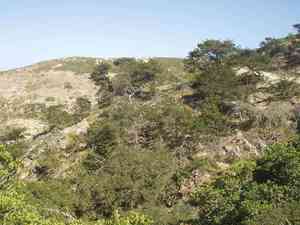
Bishop pine is identifiable by its characteristic deep green foliage and compact branch structure. Trim bishop pine during the latter part of winter or early spring to sculpt and manage its development. Initially, remove any lifeless or ailing branches, then address intersecting branches to enhance air circulation. Reduce density in congested zones to facilitate sunlight exposure. Performing pruning during these periods lessens sap leakage and alleviates strain. Strategic trimming fosters robust growth and improves the plant's complete form and aesthetic.
What Are the Benefits of Pruning Bishop Pine?
What Are the Benefits of Pruning Bishop Pine?
Pruning bishop pine encourages robust development and helps maintain its desired form. It aids in managing its size, boosts resistance to pests and diseases, and enhances its overall look. Regular trimming also fosters strong branch architecture and healthy growth.
What Is the Best Time for Pruning Bishop Pine?
What Is the Best Time for Pruning Bishop Pine?
During early spring and late winter, bishop pine is dormant, which minimizes plant stress and lowers disease risk. Pruning then allows bishop pine to recover before the active growing season, promoting new healthy growth and structural soundness. This timing also avoids disrupting any potential flowering or fruiting, helping bishop pine thrive year-round.
What Tools Do I Need to Prune Bishop Pine?
Hand Pruners
Perfect for precise cuts on smaller branches and twigs, typically under 1 inch in diameter. Excellent for routine upkeep and shaping bishop pine.
Lopping Shears
Crucial for cutting medium-sized branches up to 2 inches thick. These provide greater leverage and cutting power, essential for managing sturdier bishop pine branches.
Pruning Saw
Required for larger branches that hand pruners and loppers cannot manage. A folding pruning saw can effectively cut through thick, woody bishop pine growth without harming the tree.
Pole Pruner
Useful for reaching higher branches without a ladder. Allows for safe pruning of bishop pine's upper limbs, preserving its structure and health.
Chainsaw
For demanding pruning tasks, especially when dealing with large, mature branches or significant amounts of deadwood on bishop pine. Ensure proper training for safe operation.
How to Prune Bishop Pine
Identify
Carefully examine bishop pine for dead and diseased branches. Dead branches will appear dry, brittle, and leafless, while diseased ones may show discoloration, cankers, or unusual growth.
Sanitize
Sterilize pruning tools before use to prevent disease spread. Dip tools in a solution of one part bleach to nine parts water or use rubbing alcohol.
Cut dead branches
Trim dead branches back to the nearest living branch or trunk, making clean cuts just outside the branch collar to encourage healthy healing. Avoid leaving stubs.
Remove diseased
Prune diseased branches back to healthy wood, cutting several inches below the visible damage. Properly dispose of the removed material to prevent contamination.
Monitor
After pruning, regularly check bishop pine for any signs of ongoing disease or dead wood. Early detection and consistent care will promote overall plant health.
Common Pruning Mistakes with Bishop Pine
Improper technique
A frequent error is using incorrect tools or methods. Dull or dirty tools can create jagged cuts that harm the plant, and improper angles can damage the branch structure.
Timing errors
Pruning at an unsuitable time can stress the plant, making it vulnerable to diseases or pests. It's important to avoid heavy pruning during sensitive growth periods.
Over-pruning
Removing too much foliage can be harmful, reducing the plant's ability to photosynthesize and recover. This can lead to weakened growth and poor health.
Ignoring plant structure
Failing to understand bishop pine's natural growth pattern can result in removing crucial structural branches, leading to poor form and stability issues as the plant matures.
Cutting too close
Making cuts too near the trunk or main branches can impede the plant's healing process and create entry points for pathogens.
Common Pruning Tips for Bishop Pine
Use sharp tools
Always use sharp and clean pruning tools to make precise and clean cuts, reducing infection risk and promoting faster healing.
Identify and remove diseased branches
Regularly inspect bishop pine for any diseased or damaged branches and remove them promptly to maintain overall plant health and prevent disease spread.
Follow the growth pattern
Prune in a way that respects the natural growth pattern, which helps maintain the plantâs structural integrity and aesthetic appearance.
Make clean cuts
Ensure that cuts are smooth and angled correctly to aid efficient healing. Avoid leaving stubs that can harbor disease.



