
Bishop pine (Pinus muricata)
Also known as: Obispo pine
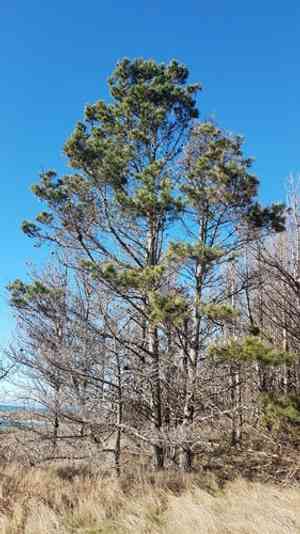
The Bishop pine (Pinus muricata) is a hardy evergreen conifer known for its rugged appearance and dark, twisted bark. This tree's adaptation to fire-prone environments is evident in its dense clusters of serotinous cones, which stay closed until exposed to fire, ensuring seed release in post-fire conditions. Its sharp, dark green needles and modest size, often shaped by coastal winds, further reflect its resilience and adaptability to its native habitats.
In This Article
Attributes of Bishop pine
Lifespan
Perennial
Plant Type
Tree
Plant Height
11 m to 22 m
Spread
Up to 10 meters
Leaf Color
Green Gray Silver
Flower Size
Not significant
Flower Color
Not applicable
Images of Bishop pine

Quickly Identify Bishop pine
1
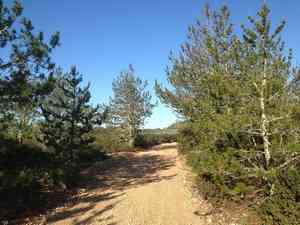
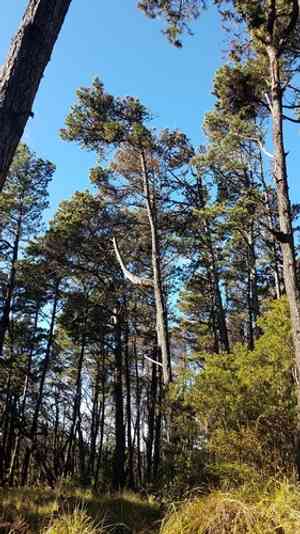
Pinus muricata can be identified by its dark green leaves which are in fascicles of two, thick and prickled cones that are persistent on the tree, and its characteristic twisted trunk shape in windswept coastal environments.
Scientific Classification of Bishop pine
Phylum
Vascular plants
Class
Conifers
Order
Pinales
Family
Pine
Genus
Pines
Species
Bishop pine
Planting and Growing of Bishop pine
Care Difficulty
Moderate
Watering Schedule
Every 2 days
Sunlight Requirements
Full sun
Sunshine Duration
4-8 hours
Ideal Temperature
60-75℉
Soil Type
Potting Mix, Peat Mix
Soil pH
5.5-7.5
Fertilizer Type
Balanced
Pruning Season
Spring, Summer
Pruning Area
Branches, Leaves
Pruning Frequency
2 times a year
Repotting Season
Spring
Pot Type
Plastic, Ceramic
 How to Water Bishop pine?
For Pinus muricata, watering should ensure the soil receives enough moisture to reach the root zone without creating soggy conditions. Aim for approximately 500 ml per session to maintain an ideal balance, allowing the soil to partially dry out between waterings.
What are the symptoms of an underwatered Bishop pine?
›
What should I do if my Bishop pine is not getting enough water?
›
What are the symptoms of an overwatered Bishop pine?
›
How to save an overwatered Bishop pine?
›
 What Are the Sunlight Requirements for Bishop pine?
Pinus muricata thrives in full to partial sun, meaning 6-10 hours of daily exposure. This light condition supports robust growth and healthy needle development, crucial for this species.
What is the best type of sunlight for Pinus muricata?
›
How can you ensure Pinus muricata receives adequate sunlight?
›
What benefits does ideal lighting bring to Pinus muricata?
›
 What Is the Ideal Temperature Range for Bishop pine?
For Pinus muricata to thrive, it requires a consistent temperature range between 60°F and 75°F. This range will ensure optimal photosynthesis and nutrient uptake, leading to healthy growth. The moderate conditions within this temperature bracket prevent stress and promote foliage development, allowing the plant to maintain its vitality throughout its growing cycle.
 What Soil is Best for Bishop pine?
Pinus muricata thrives in well-drained soils that prevent waterlogging. Well-drained soils ensure the root system receives adequate oxygen, reducing the risk of fungal diseases that can hinder the plant’s growth. This pine species prefers soils supplemented with organic matter. A nutrient-rich environment supports healthy growth by providing essential minerals and elements necessary for robust development. While Pinus muricata can tolerate dry conditions, a moderate moisture retention capacity helps in periods of drought. It ensures the plant remains hydrated between waterings without compromising on drainage.
 How to Fertilize Bishop pine?
Pinus muricata requires a balanced approach to fertilization. Use approximately 1/4 cup of liquid fertilizer per gallon of water, and apply it evenly around the root zone. For slow-release fertilizers, use about 2 pounds per 100 square feet, ensuring even distribution but avoiding direct contact with the trunk.
 How to Prune Bishop pine?
Begin by examining your Pinus muricata for any dead, damaged, or diseased branches. Use sharp, sterilized pruning shears to make clean cuts close to the branch collar to promote faster healing. Focus on cutting back any errant shoots that disrupt the natural form of the tree, making sure to taper with the natural lines of the tree to keep a natural appearance. If you are pruning Pinus muricata for aesthetic purposes, consider its natural pyramidal shape. Lightly trim the top and sides to preserve this profile, being careful not to over-prune as this can stress the tree and affect its growth. Aim to maintain the tree’s symmetry and avoid unbalancing the crown.
More About Pruning Techniques→
 How to Propagate Bishop pine plant?
1
Collect seeds from mature cones that have opened. Ensure seeds are dry and free from any debris before planting.
2
Select healthy branches and use pruning shears to take non-flowering tip cuttings of about 6 inches long. Remove the lower leaves to expose nodes for rooting.
3
For grafting, select a healthy scion and rootstock. Ensure both are disease-free and have been prepared by making clean cuts at the appropriate angles.
 How to Repot Bishop pine plant?
1
Pinus muricata shows its need for repotting when you notice roots emerging from the drainage holes. This species typically requires repotting in its active growth phase, ideally in spring or early autumn, when the weather is not too hot or cold. Another sign is when the growth appears stunted despite adequate care, signaling that the roots need more space to expand.
2
Select a pot that is 2-3 inches larger in diameter than the current one and has good drainage holes. A slightly larger pot allows sufficient room for root growth while preventing waterlogged conditions that could lead to root rot. Opting for a material like unglazed clay can enhance water evaporation and maintain a balanced moisture level.
3
For Pinus muricata, a sandy, well-draining soil mix that mimics its natural habitat is essential. This helps prevent water retention and promotes healthy root aeration. Incorporating perlite or coarse sand can significantly improve drainage, reduce compaction, and allow roots to access oxygen effortlessly.



