How to Prune Chinese red pine?
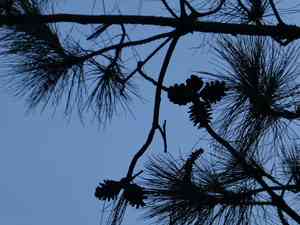
This evergreen conifer, recognized by its unique bark and acicular foliage, flourishes across diverse environmental conditions. Essential trimming methods for chinese red pine include excising deceased or ailing limbs, reducing crowded sections to enhance light exposure and air circulation, and sculpting for visual appeal or dimension management. The most effective time for pruning is during the winter, beyond the period of vigorous growth, to lessen sap leakage and physiological strain. Pruning benefits chinese red pine by fostering more robust development, preserving the tree's architecture, and potentially boosting its resilience against infestations and ailments.
What Are the Benefits of Pruning Chinese Red Pine?
What Are the Benefits of Pruning Chinese Red Pine?
Trimming chinese red pine encourages robust development and helps keep its desired form. Strategic cuts enhance light penetration and air movement, which can strengthen the plant's vitality and improve its structural appearance.
What Is the Best Time for Pruning Chinese Red Pine?
What Is the Best Time for Pruning Chinese Red Pine?
Pruning in late winter ensures that chinese red pine is dormant, which minimizes sap leakage and reduces stress on the tree. It also allows for more accurate pruning since the absence of leaves offers better visibility of the plant's structure. Moreover, pruning wounds heal quicker as new growth starts in spring, lowering the risk of disease and pest infestation. This timing avoids cutting off developing buds crucial for the plant's growth and health, ensuring chinese red pine has the energy reserves needed to support new growth.
What Tools Do I Need to Prune Chinese Red Pine?
Bypass Pruners
Perfect for making clean cuts on smaller branches of chinese red pine, typically up to ¾ inch in diameter, without causing unnecessary harm to the plant tissue.
Loppers
Useful for cutting branches that are somewhat thicker, usually up to 1 ½ inches in diameter, which are common on chinese red pine, while offering leverage and reach.
Pruning Saw
Essential for cutting through larger branches of chinese red pine that are over 1 ½ inches in diameter, as it allows for precise cuts without damaging the surrounding areas of the branch.
Pole Pruner
Effective for reaching higher branches on chinese red pine without needing a ladder, ensuring safety and accurate pruning from the ground.
Shears
For shaping hedges or removing dead foliage on chinese red pine, these are suitable for fine-tuning and shaping, provided there are no large branches involved.
Gloves
Hand protection while handling chinese red pine, especially to prevent resin or sap from contacting the skin.
How to Prune Chinese Red Pine
Prepare Tools
Gather sharp and sanitized pruning tools including secateurs, loppers, and a pruning saw to ensure clean cuts and prevent the spread of diseases to chinese red pine.
Identification
Carefully examine chinese red pine to identify dead or diseased branches, which may appear dry, brittle, or discolored, and may have missing needles or visible signs of fungal infection.
Clean Cut
Make a clean cut to remove dead branches by cutting at a slight angle just above a lateral bud or branch collar without damaging the healthy stem tissue of chinese red pine.
Diseased Branches
Remove diseased branches by cutting well below the affected area to prevent the spread of disease. Dispose of these branches away from healthy plants to avoid contamination.
Cleanup
After pruning, clear away fallen debris from around the base of chinese red pine to prevent the spread of pests and diseases, and sterilize the pruning tools before storing them.
Common Pruning Mistakes with Chinese Red Pine
Over-Pruning
Removing too much foliage from chinese red pine can severely weaken the plant by reducing its photosynthetic capacity.
Improper Cuts
Incorrect cutting techniques, such as tearing the bark or leaving large stubs, can lead to disease entry and poor healing in chinese red pine.
Pruning During Active Sap Flow
Pruning when the sap is actively flowing may lead to excessive sap loss and increase susceptibility to pests and diseases in chinese red pine.
Neglecting Tool Hygiene
Using dirty pruning tools can introduce pathogens to chinese red pine, spreading diseases from previously pruned plants.
Ignoring Natural Shape
Pruning chinese red pine without considering its natural form can result in a misshapen appearance and may impact the plant's overall health.
Common Pruning Tips for Chinese Red Pine
Health Assessment
Before pruning chinese red pine, evaluate its health and remove only the dead, diseased, or broken branches to maintain the plant's strength.
Proper Cutting Technique
Make clean cuts at a slight angle, just above a bud or branching point, to promote effective healing and direct new growth.
Selective Thinning
Thin out crowded branches to improve air circulation and sunlight penetration, which benefits chinese red pine's health and growth.
Maintain Natural Form
Prune chinese red pine in a way that preserves its natural shape, focusing on subtle interventions that encourage a strong, aesthetically pleasing structure.
Tool Care
Always use sharp and sterilized pruning tools to make precise cuts and minimize the risk of disease transmission in chinese red pine.



